Table of Contents
ToggleFort Pierce’s warm, humid climate makes it paradise for homeowners, and unfortunately, for pests too. Termites chew through wooden framing, mosquitoes breed year-round in standing water, and roaches treat your kitchen like an all-you-can-eat buffet. Whether you’re dealing with an active infestation or trying to prevent one, understanding the pests common to St. Lucie County and how to manage them saves both money and frustration. This guide covers identification, proven DIY methods, when to call the pros, and long-term prevention strategies tailored to Fort Pierce’s unique environment.
Key Takeaways
- Fort Pierce pest control requires understanding common local threats like subterranean termites, mosquitoes, and carpenter ants that thrive year-round in the region’s warm, humid climate.
- DIY pest prevention—such as perimeter barrier sprays, bait stations, exclusion sealing, and mosquito elimination through water removal—effectively tackles light infestations and reduces long-term pest pressure.
- Professional fort pierce pest control is essential for termites, bed bugs, large wasp nests, and recurring infestations, as these require restricted pesticides, specialized equipment, and licensed expertise.
- Proper drainage, attic ventilation, trimmed landscaping, and sanitation habits prevent pests from establishing themselves indoors and reduce the need for costly remediation.
- Quarterly professional contracts and annual termite inspections are standard preventative measures in Fort Pierce, typically costing $300–$600 per year depending on property size.
Common Pests in Fort Pierce and How to Identify Them
Fort Pierce homeowners face a rotating cast of invaders, but a few species cause the majority of problems. Knowing what you’re up against helps you choose the right control method and avoid wasting money on ineffective treatments.
Termites and Wood-Destroying Insects
Subterranean termites are the top structural threat in Florida. They build mud tubes, pencil-width tunnels, along foundation walls, concrete blocks, or pier supports to travel between soil and wood. Check crawl spaces, garage corners, and underneath exterior steps every six months. If you spot tubes, don’t break them all open: leave a few intact so a pest control tech can confirm active colonies.
Drywood termites infest attics, door frames, and furniture without soil contact. Their calling card is tiny fecal pellets (frass) that look like coarse sand or sawdust piles. Unlike subterranean species, they don’t need moisture, making them harder to detect until damage is visible.
Carpenter ants don’t eat wood, they excavate it for nesting. Look for smooth, hollowed-out galleries and piles of frass mixed with insect body parts. They’re active at night, so a flashlight inspection after dark near trees, stumps, or wood piles can reveal trails. Florida’s high humidity keeps wood moist enough for carpenter ants to thrive indoors, especially in poorly ventilated bathrooms or kitchens.
Powderpost beetles are less common but devastating to hardwood flooring and antique furniture. Exit holes (1/16″ to 1/8″ diameter) and fine, flour-like dust signal an infestation. Treatment usually requires fumigation.
Mosquitoes and Flying Pests
Fort Pierce’s year-round warmth means mosquitoes breed continuously, not just in summer. Aedes aegypti (the yellow fever mosquito) and Aedes albopictus (Asian tiger mosquito) are aggressive daytime biters that thrive in urban areas. They’ll lay eggs in a bottle cap’s worth of water, so inspect potted plant saucers, clogged gutters, tarps, and birdbaths weekly.
No-see-ums (biting midges) swarm near shorelines and canals at dawn and dusk. Standard window screens (16×16 mesh) won’t stop them: you need at least 20×20 mesh or finer.
Flies become a nuisance when trash cans aren’t sealed or if there’s pet waste in the yard. Fruit flies breed in sink drains, garbage disposals, and recycling bins. A bleach rinse or enzyme drain cleaner breaks up the organic film they feed on.
Palmetto bugs (American cockroaches) are technically not flying pests, they’re gliders. They enter through weep holes, gaps around pipes, and torn window screens. Sealing entry points matters more than sprays when managing these roaches.
DIY Pest Control Methods That Actually Work
DIY pest control works best for prevention and light infestations. Heavy infestations or wood-destroying insects usually require professional tools and treatments, but these methods give homeowners real leverage.
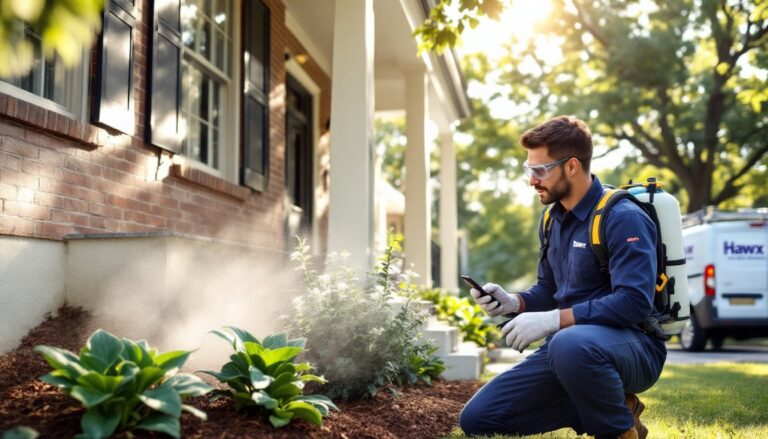
Perimeter barrier sprays using products like bifenthrin or permethrin create a chemical shield around your foundation. Apply with a pump sprayer at the soil line and up the exterior wall about 2 feet. Reapply every 90 days or after heavy rain. Wear nitrile gloves, safety goggles, and a respirator rated for pesticide vapors during application. Keep kids and pets off treated areas until dry (typically 2-4 hours).
Bait stations work well for ants, roaches, and rodents. Place them along baseboards, under sinks, and near entry points, not in the middle of rooms. Gel baits for roaches (like fipronil or indoxacarb formulations) stay effective for weeks if applied in pea-sized dots in cracks and crevices. For ants, use stations with slow-acting toxins so workers carry bait back to the colony.
Insect growth regulators (IGRs) disrupt reproduction without killing adults immediately. Products containing methoprene or pyriproxyfen prevent roach nymphs from maturing. Pair IGRs with contact killers for faster results, and effective pest control ideas often combine multiple approaches.
Mosquito control starts with eliminating standing water. Dump anything that holds water weekly, toys, tarps, flowerpots. For ornamental ponds or rain barrels, use Bacillus thuringiensis israelensis (BTI) dunks. They’re non-toxic to fish and pets but kill mosquito larvae for 30 days per application. Oscillating fans on porches and patios work surprisingly well: mosquitoes can’t fly in wind speeds above 1-2 mph.
Exclusion and caulking stop more pests than sprays. Seal gaps around plumbing penetrations, electrical conduit, and HVAC lines with polyurethane foam or copper mesh (for rodents). Replace worn door sweeps and weatherstripping. Add 1/4″ hardware cloth over crawl space vents, dryer vents, and attic louvers.
Diatomaceous earth (DE) is a mechanical killer, it’s fossilized algae with microscopic sharp edges that abrade insect exoskeletons. Dust it into wall voids, under appliances, and in attics. Use food-grade DE, not pool-grade, and wear a dust mask during application: it’s non-toxic but irritates lungs if inhaled.
When to Call a Professional Pest Control Service
Some infestations are beyond DIY reach, either because they require restricted-use pesticides, specialized equipment, or just plain experience.
Termites demand professional treatment. Liquid soil treatments (termiticides like fipronil or imidacloprid) require trenching around the foundation and drilling through slabs, which isn’t DIY-friendly. Bait systems (like Sentricon or Trelona) need monitoring every 8-12 weeks and adjustments based on colony activity. Many pest control specialists in Fort Pierce are WDO-certified for real estate inspections.
Bed bugs are notoriously difficult to eliminate without heat treatment or fumigation. Professionals use 135°F+ heat for several hours or apply EPA-registered pesticides in multiple rounds. DIY methods rarely reach eggs hidden in cracks, leading to reinfestation.
Rodent infestations in walls or attics need exclusion work, trapping, and sanitation that most homeowners can’t safely handle. Rats carry leptospirosis and hantavirus: their urine-soaked insulation is a health hazard. Pros wear respirators and Tyvek suits during attic cleanouts.
Large wasp or hornet nests near entry points or high-traffic areas are dangerous to remove yourself. Yellow jackets nest underground or in wall voids: disturbing them can trigger mass stings. Bald-faced hornets build aerial nests the size of basketballs. Professionals have the PPE and reach (via extension poles) to treat these safely.
Recurring infestations signal a moisture problem, structural gap, or hidden nest. If you’re treating the same pest every few weeks, a licensed tech can perform a thorough inspection with tools like thermal cameras, moisture meters, and borescopes.
Florida law requires pest control operators to be licensed by the Department of Agriculture and Consumer Services. Verify credentials and check if the company carries liability insurance. Contracts often include quarterly visits, which are standard for Fort Pierce’s climate.
For budgeting help and contractor matching, platforms like HomeAdvisor provide cost estimates for pest control services in your area.
Preventative Measures for Long-Term Pest Protection
Prevention costs less than remediation. These measures reduce pest pressure year-round and make any infestations easier to manage.
Landscape management keeps pests away from your foundation. Trim tree branches and shrubs so they don’t touch siding or the roof, these become highways for ants, roaches, and rodents. Mulch beds should be 6 inches away from the foundation: pine straw and wood mulch hold moisture and attract termites. Use gravel or rubber mulch in a 12-inch band around the house instead.
Firewood and debris should be stored at least 20 feet from the structure and elevated off the ground on a rack. Termites and carpenter ants colonize damp wood piles, then migrate indoors.
Proper drainage is critical. Gutters clogged with leaves create standing water for mosquitoes and roof leaks that attract carpenter ants. Downspouts should discharge 5-10 feet from the foundation. If yard grading slopes toward the house, add a French drain or regrading (typically a half-day project with a skid steer and some drainage pipe).
Attic ventilation and vapor barriers prevent the moisture that attracts wood-destroying insects. Install soffit vents and ridge vents to create airflow. In crawl spaces, a 6-mil polyethylene vapor barrier over the soil reduces humidity and discourages subterranean termites. Adding a dehumidifier helps if humidity stays above 60%.
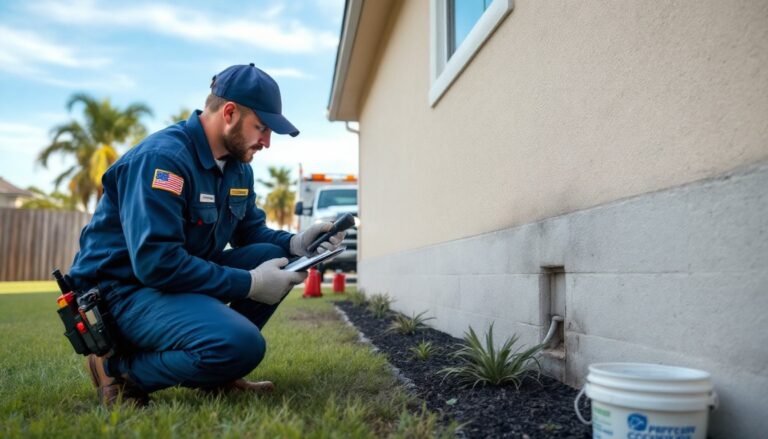
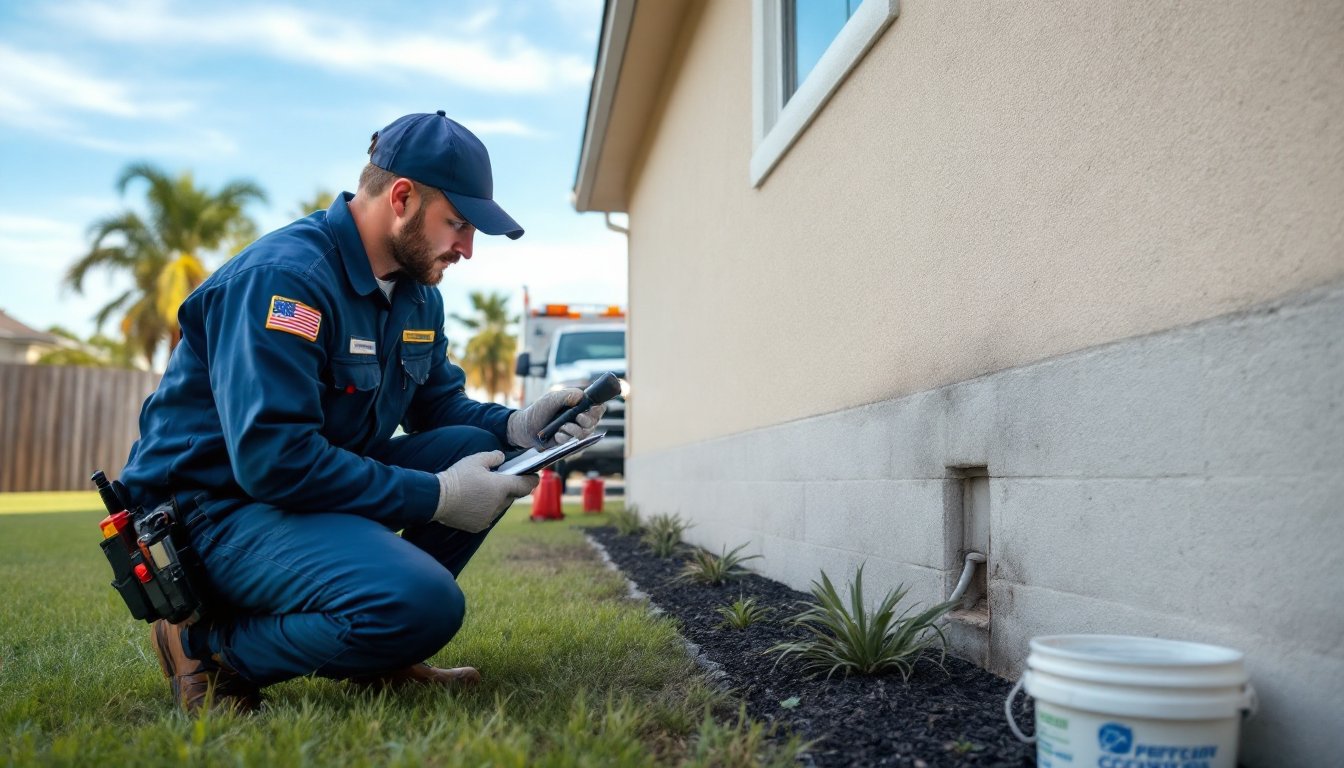
Routine inspections catch problems early. Walk your property every three months with a flashlight, looking for mud tubes, frass piles, damaged wood, and gaps. Check weep holes (the small openings in brick veneer) for clogs or pest entry: insert stainless steel weep hole covers to allow drainage but block insects. Understanding what is pest control and its principles makes inspections more effective.
Sanitation habits matter indoors. Store pantry goods in airtight containers (not just the cardboard box they came in). Wipe down counters nightly, sweep crumbs, and take out trash daily. Roaches and ants follow pheromone trails to food sources: eliminating the food breaks the cycle.
Seal entry points annually. Caulk cracks in exterior walls, around window frames, and along baseboards. Expanding foam works for larger gaps (1 inch+), but avoid overfilling, it can bow framing. For ongoing advice, many pest control tips focus on exclusion as the first line of defense.
Professional preventative contracts include quarterly treatments, annual termite inspections, and moisture assessments. In Fort Pierce’s climate, emerging pest control trends emphasize eco-friendly products and smart monitoring systems that alert homeowners to activity. Contracts typically run $300-$600/year depending on square footage and service level.
Conclusion
Fort Pierce’s climate guarantees pests will test your defenses year-round. The homeowners who stay ahead combine smart prevention, exclusion, drainage, and sanitation, with targeted treatments when needed. Handle light infestations yourself, but don’t hesitate to bring in a licensed pro for termites, recurring problems, or anything involving wall voids. A little effort now saves thousands in structural repairs and keeps your home livable.