Table of Contents
TogglePest control becomes complex when your home sits near state lines. Temperature swings, migrating critters, and varied regional regulations mean homeowners in tri-state areas face unique challenges. A carpenter ant infestation doesn’t stop at a border, and termites don’t check jurisdiction before tunneling into your floor joists. This guide walks through what tri-state pest control means, which pests you’re up against, and how to protect your home whether you hire pros or roll up your sleeves for DIY prevention.
Key Takeaways
- Tri-state pest control requires understanding overlapping pest populations and varied regional regulations, since licensing requirements and treatment legality differ across state lines.
- Common tri-state pests include termites, carpenter ants, rodents, bed bugs, and stink bugs—each requiring different control techniques, so proper identification is essential before treatment.
- Professional pest control providers must hold valid licenses in all applicable states; verify credentials, insurance, and Integrated Pest Management (IPM) practices before hiring.
- Seal entry points, manage moisture, eliminate food sources, and trim vegetation to prevent infestations—most pest problems start because homes provide easy access and shelter.
- Pest activity follows seasonal patterns in tri-state areas; schedule termite inspections in spring, treat wasps in summer, seal cracks before fall stink bug invasions, and monitor rodent activity in winter.
- Professional pest control costs range from $150–$400 for one-time treatments to $400–$800 annually for quarterly service plans; budget for annual termite inspections to prevent costly structural damage.
What Is Tri State Pest Control and Why Does It Matter?
Tri state pest control refers to pest management services and strategies tailored to homes located near the borders of three adjoining states. These areas, like the junction of West Virginia, Ohio, and Pennsylvania, or the meeting point of New York, New Jersey, and Connecticut, experience overlapping pest populations and climate conditions that differ from region to region.
Why does geography matter for pest control? Simple: state lines create regulatory differences. Licensing requirements for pest control operators vary. What’s legal to spray in one state might require special certification in another. If you’re hiring a company, verify they hold licenses for all applicable states where they’ll work.
Beyond regulations, tri-state zones often sit at the intersection of different climate zones and ecosystems. A home in Wheeling, WV might deal with Appalachian wood-boring beetles while also facing Midwestern rodent pressure from Ohio’s farmland. Pest populations migrate and adapt based on seasonal temperature shifts, so effective control strategies must account for multiple regional threats at once.
Common Pests Found in Tri State Areas
Tri-state regions host a wide variety of pests, influenced by local agriculture, housing density, and natural habitats. Here’s what you’re likely to encounter:
Rodents: House mice and Norway rats thrive near human structures. They squeeze through gaps as small as ¼ inch and can chew through drywall, wiring, and insulation. Mice breed year-round, producing up to 10 litters annually.
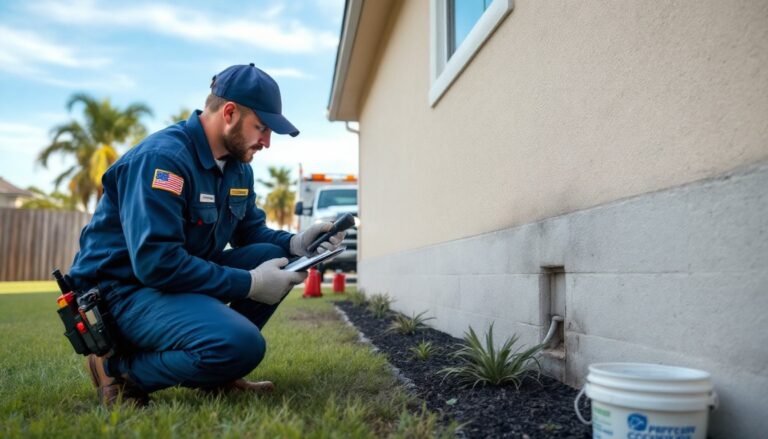
Termites: Eastern subterranean termites cause billions in U.S. property damage each year. They build mud tubes along foundation walls and consume cellulose in wood framing, flooring, and trim. Swarmers emerge in spring, often the first visible sign of an established colony.
Ants: Carpenter ants excavate galleries in damp or decayed wood. Unlike termites, they don’t eat wood, they just hollow it out for nesting. Odorous house ants invade kitchens in massive trails, especially during summer heat.
Stink bugs: Brown marmorated stink bugs, an invasive species, cluster inside wall voids and attics as temperatures drop. They don’t damage structures, but their numbers and odor (when crushed) make them a nuisance.
Bed bugs: These hitchhikers infest mattresses, baseboards, and furniture. A single fertilized female can start an infestation. They’re notoriously difficult to eliminate without professional heat treatment or chemical intervention.
Spiders and wasps: Common house spiders are harmless, but brown recluse and black widow spiders do inhabit some tri-state regions. Paper wasps and yellow jackets build nests under eaves, in attics, or underground.
Each pest requires a different control technique, so proper identification is the first step.
How to Choose the Right Tri State Pest Control Service
Not all pest control companies are created equal. Here’s how to vet a provider in a multi-state service area:
Check licenses and certifications. Every state requires pest control operators to hold specific licenses. Ask for documentation proving they’re certified in all states where your property is located. A company based in Ohio might not automatically be licensed to spray in West Virginia.
Look for Integrated Pest Management (IPM) credentials. IPM combines chemical treatments with habitat modification, exclusion, and monitoring. It’s more effective long-term than one-time spray visits. Ask how they handle follow-up inspections and prevention.
Read third-party reviews carefully. Services like Tri State Exterminating provide localized coverage, but always verify recent feedback. Look for mentions of responsiveness, treatment efficacy, and whether the company honored warranties.
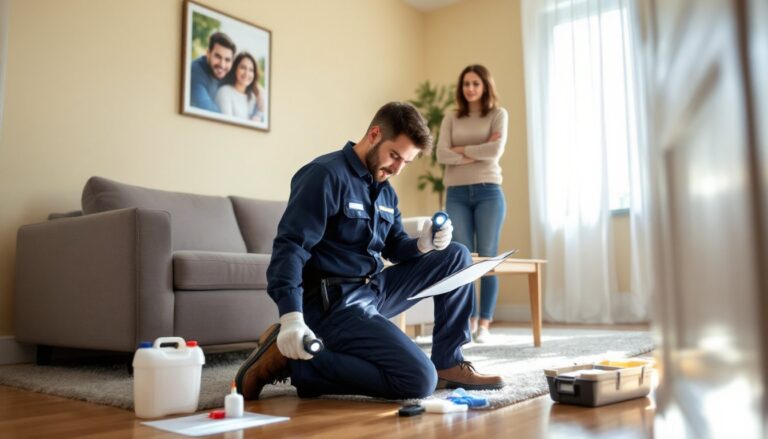
Request a detailed estimate. A quality inspection identifies pest species, entry points, and the extent of infestation. The estimate should break down materials, labor, and follow-up visits. Avoid companies that quote over the phone without seeing the property.
Ask about insurance and guarantees. Reputable providers carry general liability and professional liability insurance. Many offer re-treatment guarantees if pests return within a set period (typically 30–90 days).
Verify their approach to safety. If you have kids, pets, or chemical sensitivities, ask about low-toxicity options like bait stations, boric acid dust, or diatomaceous earth. Pros should explain PPE requirements for occupants during and after treatment.
DIY Pest Prevention Tips for Tri State Homeowners
Professional services work, but most infestations start because homes provide easy access, food, and shelter. Here’s how to lock down your property:
Seal entry points. Walk your home’s perimeter and caulk cracks in the foundation, gaps around utility penetrations, and openings where siding meets trim. Use copper mesh or steel wool in larger gaps, rodents can’t chew through metal. Replace damaged weatherstripping on doors and windows.
Manage moisture. Fix leaky faucets, condensation on pipes, and clogged gutters. Termites and carpenter ants target damp wood. Run a dehumidifier in basements and crawl spaces to keep humidity below 50%.
Eliminate food sources. Store pantry goods in airtight containers. Clean up crumbs and spills immediately. Take trash out nightly and use bins with tight-fitting lids. Don’t leave pet food out overnight.
Trim vegetation. Keep shrubs and tree branches at least 12 inches away from siding and rooflines. Ants, rodents, and spiders use branches as highways into attics and eaves.
Inspect firewood and deliveries. Stack firewood at least 20 feet from the house and off the ground on a rack. Check boxes and furniture for bed bugs or roaches before bringing them inside.
Install door sweeps. Gaps under exterior doors are an open invitation. A simple rubber or brush sweep blocks rodents, insects, and drafts.
For more hands-on approaches, DIY methods like bait traps and natural repellents can supplement professional treatments, but they’re rarely a complete solution for active infestations.
Seasonal Pest Control Strategies Across Different States
Pest activity follows predictable seasonal patterns, but tri-state areas experience staggered timing due to microclimates.
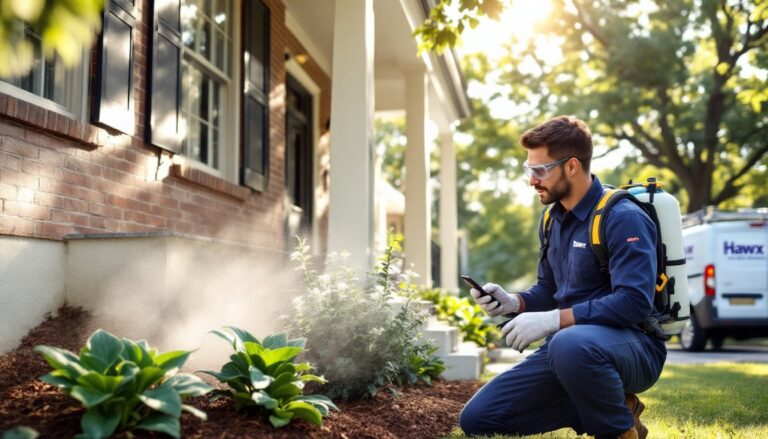
Spring (March–May): Termite swarmers emerge when soil temps hit 70°F. Schedule annual termite inspections in early spring. Ants become active as colonies expand. Apply perimeter barrier sprays or granular insecticides around foundations. Check window screens for tears before mosquito season ramps up.
Summer (June–August): Wasps and hornets build nests. Treat early in the morning or late evening when workers are less active. Wear long sleeves, gloves, and goggles. Use a foam spray with a 15–20-foot reach for elevated nests. Mosquitoes breed in standing water, dump birdbaths, kiddie pools, and clogged gutters weekly.
Fall (September–November): Stink bugs, lady beetles, and boxelder bugs seek indoor shelter. Seal cracks and install mesh vent covers. Rodents move indoors as temperatures drop. Set snap traps along baseboards and in attics. Bait with peanut butter or a small piece of cotton (mice use it for nesting material).
Winter (December–February): Pest activity slows, but rodents remain a threat. Inspect attics for droppings, gnaw marks, and greasy rub trails along rafters. Check crawl spaces for signs of animal entry. Apply preventive measures like sealing rim joists with spray foam.
Adjust timing based on elevation and proximity to water. Homes near rivers or valleys may see earlier spring activity: higher elevations delay summer pest peaks.
Cost Considerations for Professional Pest Management
Pest control pricing varies widely based on infestation severity, property size, and service scope. Here’s what to expect:
One-time treatments: Range from $150 to $400 for general pest control (ants, spiders, roaches). Bed bug heat treatment runs $1,000 to $2,500 for a typical home. Termite spot treatments start around $500, while whole-house fumigation (tenting) can exceed $3,000.
Quarterly service plans: Many companies offer year-round coverage for $400 to $800 annually (about $100–$200 per visit). Plans typically include interior and exterior treatments, re-treatments if pests return, and seasonal adjustments.
Inspection fees: Initial inspections for termites or wood-destroying insects cost $75 to $150. Some companies waive the fee if you proceed with treatment. Resources like HomeAdvisor offer cost calculators to estimate regional pricing.
Specialized services: Rodent exclusion (sealing entry points with metal mesh, foam, and flashing) adds $300 to $1,200 depending on the number of access points. Wildlife removal (raccoons, squirrels, bats) requires licensed trappers and runs $200 to $600 per animal, plus exclusion work.
Regional factors: Labor rates differ by state. Urban areas with higher costs of living charge more. Homes near agriculture or wooded areas may require more intensive treatments. Check ImproveNet for contractor bids to compare local pricing.
DIY costs: A gallon of professional-grade insecticide concentrate (Talstar, Tempo, or Bifen) costs $40 to $80 and covers 21,000 square feet. Reusable pump sprayers run $30 to $60. Snap traps and bait stations are cheap, under $20 for a six-pack, but labor-intensive to monitor and reset.
Budget for annual termite inspections ($75–$150) even if you don’t have an active infestation. Early detection prevents five-figure repair bills.
Conclusion
Tri-state pest control demands a dual approach: staying ahead of regional pest pressures and sealing your home against entry. Whether you hire a licensed pro or deploy strategic DIY tactics, the goal is the same, eliminate food, water, and shelter that attract pests. Inspect seasonally, address moisture issues, and don’t wait until you see damage to act.