Table of Contents
ToggleTermites can devour $5,000 worth of structural lumber before a homeowner even notices the damage. Add in ants, roaches, rodents, and other household pests, and the annual cost to American homeowners climbs into the billions. Yet professional pest control often feels like a luxury budget item, until a minor nuisance becomes a major repair bill. The good news? Affordable termite and pest control isn’t an oxymoron. With the right combination of preventative measures, strategic professional services, and smart product choices, homeowners can protect their investment without draining their savings.
Key Takeaways
- Termites cause $5 billion in annual property damage in the U.S., making affordable termite and pest control a strategic investment rather than an optional expense.
- Early detection of pest warning signs—such as mud tubes, droppings, gnaw marks, and hollow-sounding wood—saves thousands in repair costs by catching infestations before they cause structural damage.
- DIY prevention strategies like sealing entry points, eliminating moisture sources, and using snap traps reduce your need for professional services and cut long-term pest control costs by up to 40%.
- Get multiple quotes from local pest control operators (not just national franchises), ask about warranties and bundling discounts, and choose the service level that matches your climate and pest pressure to find the best value.
- A liquid soil termite treatment combined with quarterly perimeter pest service offers the best protection-per-dollar for most homeowners and prevents expensive damage that insurance won’t cover.
- Annual home inspections and preventative maintenance—grading soil, maintaining gutters, upgrading to pressure-treated lumber—reduce ongoing pest control needs and save thousands over a decade.
Why Affordable Pest Control Matters for Homeowners
Pest control isn’t just about comfort, it’s about protecting structural integrity, family health, and property value. Termites alone cause an estimated $5 billion in property damage annually in the U.S., and most homeowner’s insurance policies don’t cover pest-related damage because it’s considered preventable.
Beyond termites, common household pests carry real risks. Rodents chew through electrical wiring (a leading cause of house fires), cockroaches trigger asthma and allergies, and carpenter ants hollow out structural wood nearly as efficiently as termites. Ignoring a small infestation because treatment seems expensive almost always costs more in the long run.
Affordable pest control means making strategic investments, spending money where it prevents damage rather than waiting until costly repairs become unavoidable. A $300 annual termite contract is a bargain compared to $10,000 in foundation and framing repairs. The key is understanding which services offer genuine protection and which are unnecessary upsells.
Signs You Need Termite and Pest Control Services
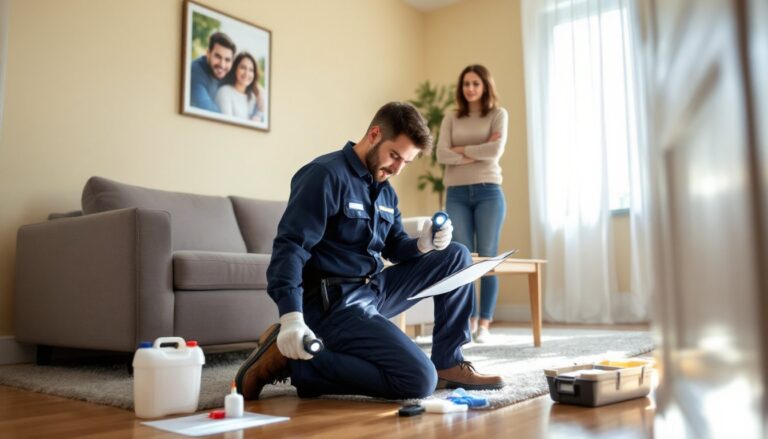
Catching pest problems early makes them cheaper and easier to handle. Here’s what to watch for:
Termite warning signs:
- Mud tubes running up foundation walls (about the diameter of a pencil)
- Hollow-sounding wood when tapped
- Discarded wings near windowsills or doors (swarmers shed them after mating)
- Small piles of sawdust-like frass near wood surfaces
- Bubbling or uneven paint on wood trim
General pest indicators:
- Droppings in cabinets, along baseboards, or in attic spaces
- Gnaw marks on food packaging, wood, or electrical cables
- Grease marks along walls where rodents travel repeatedly
- Unexplained holes in drywall or insulation
- Live or dead insects appearing in clusters
- Scratching or scurrying sounds in walls or ceilings at night
If you’re seeing multiple indicators, or if you’ve spotted actual termites or rodents, it’s time to call a professional. One termite or mouse doesn’t always mean an infestation, but seasonal pest pressure increases rapidly during spring and fall when colonies expand. Don’t wait until you see widespread damage, that’s the expensive stage.
Cost-Effective DIY Pest Prevention Strategies
The cheapest pest control is the kind you never have to buy. Prevention costs pennies compared to treatment.
Seal entry points:
- Caulk gaps around windows, doors, utility penetrations, and foundation cracks. Use silicone or polyurethane caulk for exterior applications.
- Install door sweeps on all exterior doors, the rubber or brush type that closes the gap between door bottom and threshold.
- Screen vents in crawlspaces, attics, and gable ends with 1/4-inch hardware cloth (standard window screen won’t stop mice).
- Repair damaged siding and trim. Even a 1/4-inch gap is an open door to rodents.
Eliminate moisture and food sources:
- Fix leaking pipes and faucets immediately. Termites and roaches need water.
- Grade soil away from the foundation (minimum 6-inch drop over 10 feet).
- Store firewood at least 20 feet from the house and 5 inches off the ground.
- Keep gutters clean and downspouts extended at least 4 feet from the foundation.
- Store pantry goods in airtight containers, not the original cardboard packaging.
- Take garbage out regularly and use bins with tight-fitting lids.
Affordable DIY treatments:
- Boric acid powder in wall voids and attic spaces works on roaches, silverfish, and ants (keep away from kids and pets).
- Diatomaceous earth (food-grade) around foundation perimeters damages insect exoskeletons.
- Snap traps remain the most effective DIY rodent control, use peanut butter as bait and place perpendicular to walls.
These methods alone won’t handle an active termite infestation or a serious rodent problem, but they dramatically reduce the likelihood you’ll need professional intervention. Combining preventative approaches with targeted treatments creates a cost-effective defense.
How to Find Budget-Friendly Professional Pest Control
Professional pest control doesn’t have to mean premium pricing. The trick is knowing what you’re paying for and where to find competitive rates.
Get multiple quotes:
Call at least three local companies for estimates. National franchises often charge more for brand recognition, while local operators may offer comparable service at 20-40% less. Platforms like Angi provide user reviews and help compare pricing in your area.
Ask specific questions:
- What’s included in the service? (Inspection, treatment, follow-up visits?)
- What products do you use? (Active ingredients matter for effectiveness and safety)
- Is there a warranty or retreatment guarantee?
- What’s the payment structure, per visit or annual contract?
Choose the right service level:
- One-time treatment works for isolated problems (single wasp nest, ant trail).
- Quarterly service suits general pest prevention in moderate climates.
- Monthly or bi-monthly service makes sense in high-pest-pressure areas (Southern states, coastal regions).
Don’t pay for monthly service if you live in a cold climate with minimal winter pest activity. Conversely, skipping termite inspections in termite-prone regions (Southeast, Southwest, California) is penny-wise and pound-foolish.
Negotiate and bundle:
- Ask about discounts for annual prepayment (often 10-15% off).
- Bundle services, companies may discount combined termite and general pest contracts.
- Request a simplified treatment plan. You probably don’t need every bell and whistle in the premium package.
Timing matters:
Pest control companies are less busy in winter (except for rodent calls). You can sometimes negotiate better rates or faster service during off-peak months.
Comparing Treatment Options: What Offers the Best Value
Not all pest control methods cost the same or deliver equal results. Here’s how common treatments stack up:
Termite treatments:
- Liquid soil treatment (termiticide barrier around foundation): $1,200–$2,500 for average home. Lasts 5–10 years. Best value for active infestations and long-term prevention.
- Bait stations: $1,500–$3,500 initial install, plus $300–$500 annual monitoring. Slower acting but less invasive. Good for homes with wells or sensitive landscaping.
- Spot treatment (foam or injectable): $200–$500 per area. Suitable only for isolated, accessible infestations. Not a whole-house solution.
General pest control:
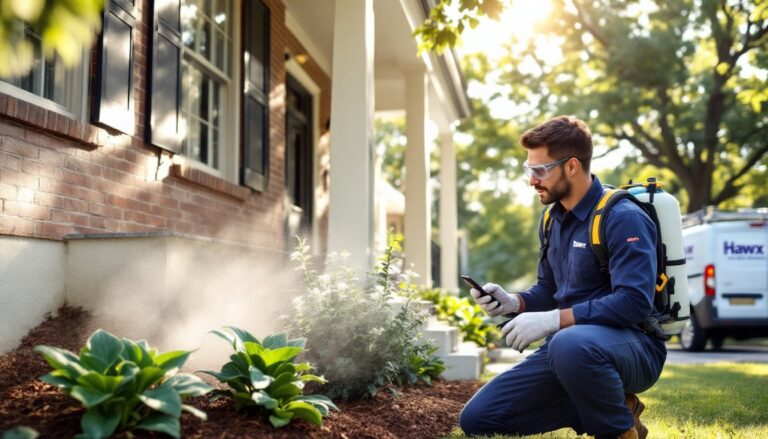
- Perimeter spray treatment: $100–$300 per visit. Effective for 60–90 days. Covers ants, spiders, roaches, wasps.
- Interior and exterior service: $150–$400 per visit. Adds indoor baiting and crack-and-crevice treatment.
- Integrated Pest Management (IPM): Varies widely. Combines mechanical, biological, and minimal chemical methods. Often the most sustainable and cost-effective long-term approach, though it requires homeowner participation in sanitation and exclusion work.
Rodent control:
- Snap traps and exclusion: DIY costs $50–$150 in materials. Professional exclusion runs $300–$600. One-time expense with permanent results if done correctly.
- Rodenticide bait stations: $200–$400 setup, $50–$100 per maintenance visit. Ongoing cost, and dead rodents may decompose in walls (unpleasant).
Best value pick: For most homeowners, a liquid termite treatment combined with quarterly perimeter pest service offers the best protection per dollar. Focus professional spending on termites and treatments that require licensed applicators. Handle simple tasks like trap-setting and caulking yourself. For guidance on choosing between professional and DIY methods, consider the complexity and risk level of the infestation.
Long-Term Savings Through Preventative Maintenance
The real secret to affordable pest control isn’t finding the cheapest exterminator, it’s reducing how often you need one.
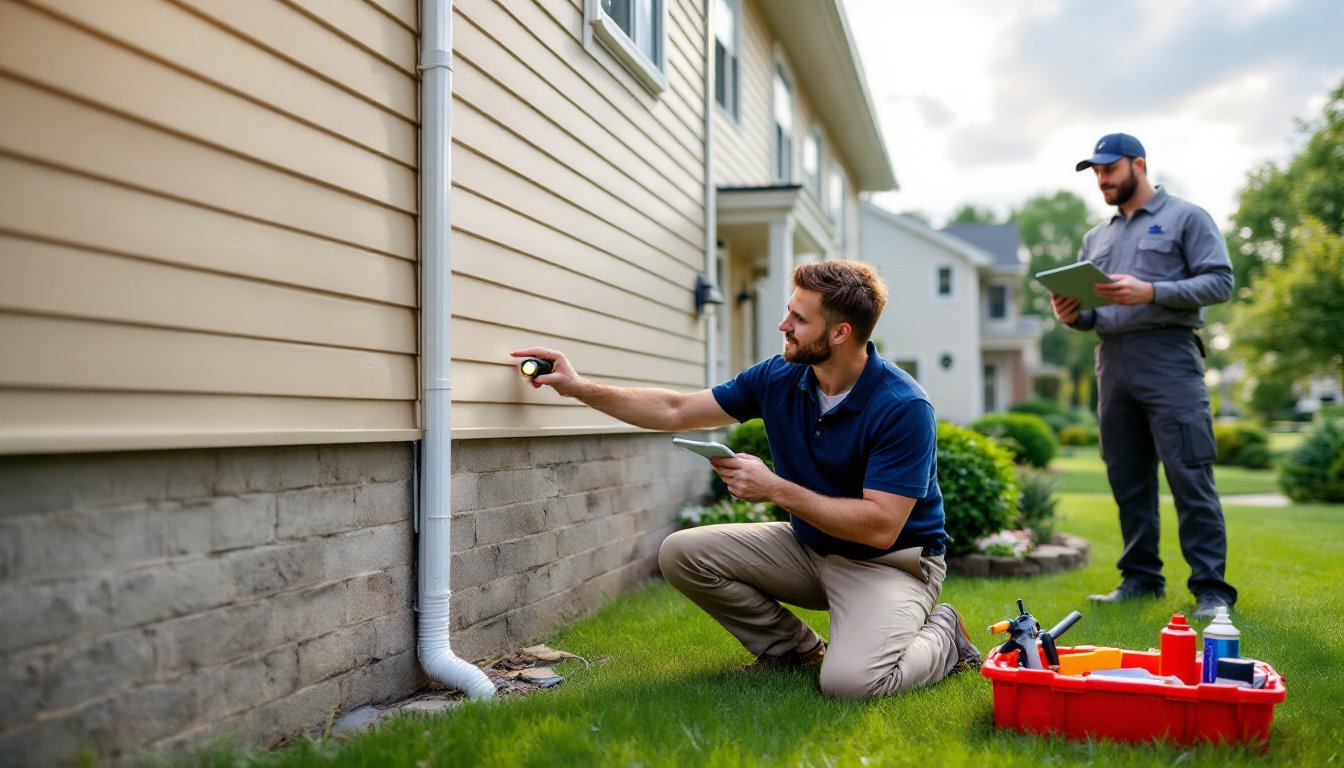
Annual home inspection checklist:
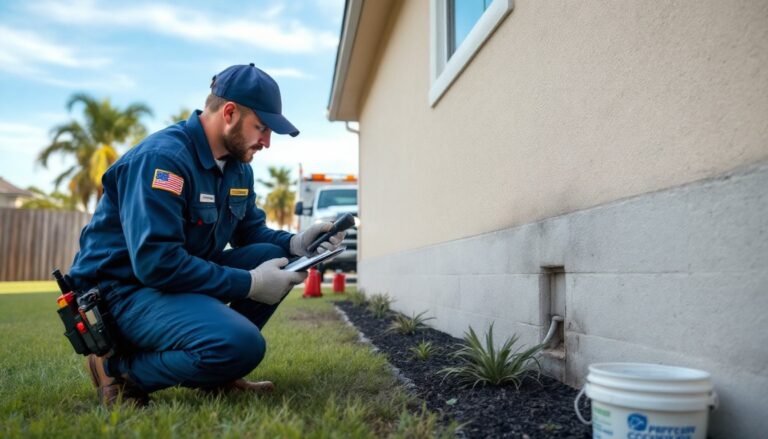
- Walk the foundation perimeter and look for cracks, settling, or mud tubes.
- Check crawlspace or basement for moisture, wood-to-soil contact, or signs of pests.
- Inspect attic for rodent droppings, nesting material, or chewed wiring.
- Test all door sweeps and weatherstripping: replace worn components.
- Verify that downspouts drain away from the house and gutters aren’t clogged.
Catching a small crack before it becomes a rodent highway or spotting early termite activity before they reach structural framing can save thousands. Many pest control companies offer free annual inspections with service contracts, use them.
Invest in durable solutions:
- Pressure-treated or composite lumber for deck posts, stairs, and landscape timbers resists termite damage.
- Metal or cement board siding near grade level eliminates wood-to-soil contact.
- Proper grading and drainage prevents the moisture problems that attract termites and carpenter ants.
Yes, these upgrades cost money upfront, but they also reduce ongoing treatment needs. A $400 expenditure on drainage correction and a vapor barrier can eliminate the need for $200/year in moisture-related pest treatments.
Document and schedule:
Keep records of treatments, inspections, and any pest sightings. If you’re selling the house, a documented pest control history reassures buyers and can speed closing. Set calendar reminders for seasonal tasks, cleaning gutters in fall, inspecting weatherstripping in spring. Routine maintenance becomes cheaper the more consistently you do it, and resources like Bob Vila offer seasonal checklists to keep you on track.
Homeowners who integrate proven control strategies and foundational knowledge into regular maintenance routines spend far less over a decade than those who react to crises. An ounce of prevention isn’t a cliché, it’s a budget strategy.
Conclusion
Affordable termite and pest control comes down to smart planning, not corner-cutting. Invest in prevention, spend professional dollars where they matter most, and handle straightforward tasks yourself. The homeowners who save the most aren’t the ones who skip pest control, they’re the ones who make it routine, strategic, and part of regular home maintenance.