Table of Contents
ToggleAnts in the kitchen. Trails along the baseboards. A colony that keeps coming back no matter how many cans of spray you empty. At some point, DIY methods hit their limit, and homeowners need to decide whether it’s time to bring in a professional ant pest control service. The right company can eliminate the problem at the source, not just mask it. But hiring exterminators involves cost, chemicals, and trusting someone to work inside your home. This guide walks through when to call in the pros, what happens during treatment, what you’ll pay, and how to choose a reliable company that gets results.
Key Takeaways
- Professional ant pest control service is necessary when DIY methods fail, colonies reappear quickly, or carpenter ants cause structural damage inside walls.
- Technicians inspect your home thoroughly to identify ant species, locate entry points and nests, and develop a customized treatment plan using commercial-grade baits, liquid insecticides, and dusts.
- Ant pest control service costs range from $200–$500 for standard infestations to $2,000+ for carpenter ants with structural damage, with ongoing plans available for $50–$150 per visit.
- Verify licensing and insurance, check reviews for follow-through and results, request written estimates detailing treatments and warranties, and avoid companies with high-pressure sales tactics.
- After professional treatment, seal entry points, eliminate moisture and food sources, trim vegetation away from your foundation, and maintain structural integrity to prevent re-infestation.
- An ant pest control service should explain treatment methods transparently, offer guarantees or warranties, and provide follow-up visits to monitor progress and ensure the colony is completely eliminated.
When to Call a Professional Ant Pest Control Service
Not every ant sighting requires a service call. A few scouts near a door in spring? Wipe them down, seal the gap, and move on. But certain situations mean DIY isn’t cutting it.
Call a professional when colonies reappear within days of treatment, when you see structural damage like wood shavings near baseboards (a sign of carpenter ants), or when trails run through multiple rooms. Large infestations, especially inside walls, require specialized equipment and insecticides homeowners can’t buy at the hardware store.
Carpenter ants deserve immediate attention. They excavate wood to build nests, weakening joists, studs, and framing over time. If you hear faint rustling in walls or spot winged ants indoors (swarmers looking to establish new colonies), that’s a red flag.
Kitchens and bathrooms are common battlegrounds. Ants follow moisture and food sources, so trails near plumbing or behind appliances often indicate nests in wall voids. If you’ve already tried natural pest control techniques and bait stations without success, it’s time to escalate.
Some species, pharaoh ants, for example, split into multiple colonies when threatened, making them nearly impossible to control without professional-grade products and a targeted treatment plan. If you’re unsure what species you’re dealing with, a pest control service can identify it during inspection and tailor the approach accordingly.
What to Expect During an Ant Pest Control Appointment
Inspection and Identification
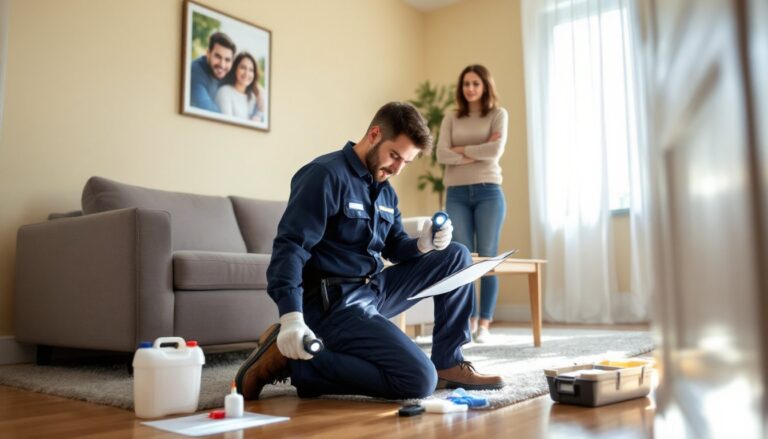
The first visit starts with a thorough inspection. A technician will check kitchens, bathrooms, basements, crawl spaces, and exterior perimeters. They’re looking for trails, entry points, nests, and moisture issues that attract ants.
Technicians identify the ant species because treatment varies. Carpenter ants nest in wood. Odorous house ants prefer wall voids near plumbing. Pavement ants build colonies under slabs and foundations. Each species responds to different baits and insecticides.
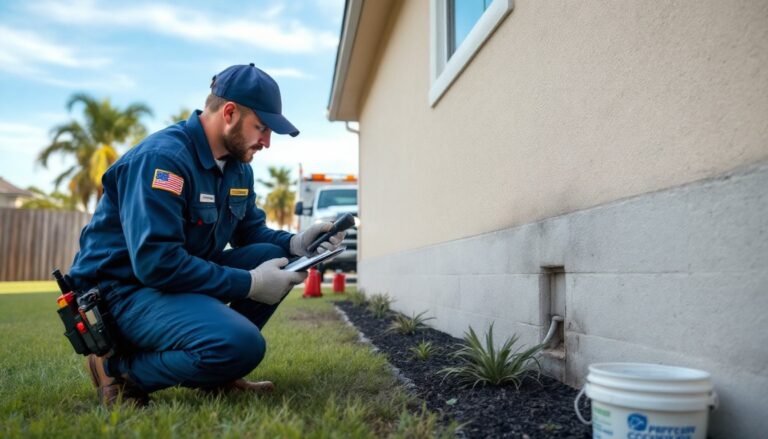
Expect the tech to look behind appliances, under sinks, around windows and doors, and along the foundation. They’ll note cracks in siding, gaps around utility penetrations, and any wood-to-soil contact that invites pests. Exterior inspection includes checking mulch beds, tree stumps, and landscape ties where colonies often establish before moving indoors.
A quality service will explain what they find and outline a treatment plan before applying anything. If structural repairs are needed, like replacing rotted sill plates or sealing foundation cracks, they should flag it, even if it’s outside their scope.
Treatment Methods and Application
Treatment methods depend on the species, colony location, and infestation severity. Most services use a combination approach: baits, liquid insecticides, dusts, and exclusion.
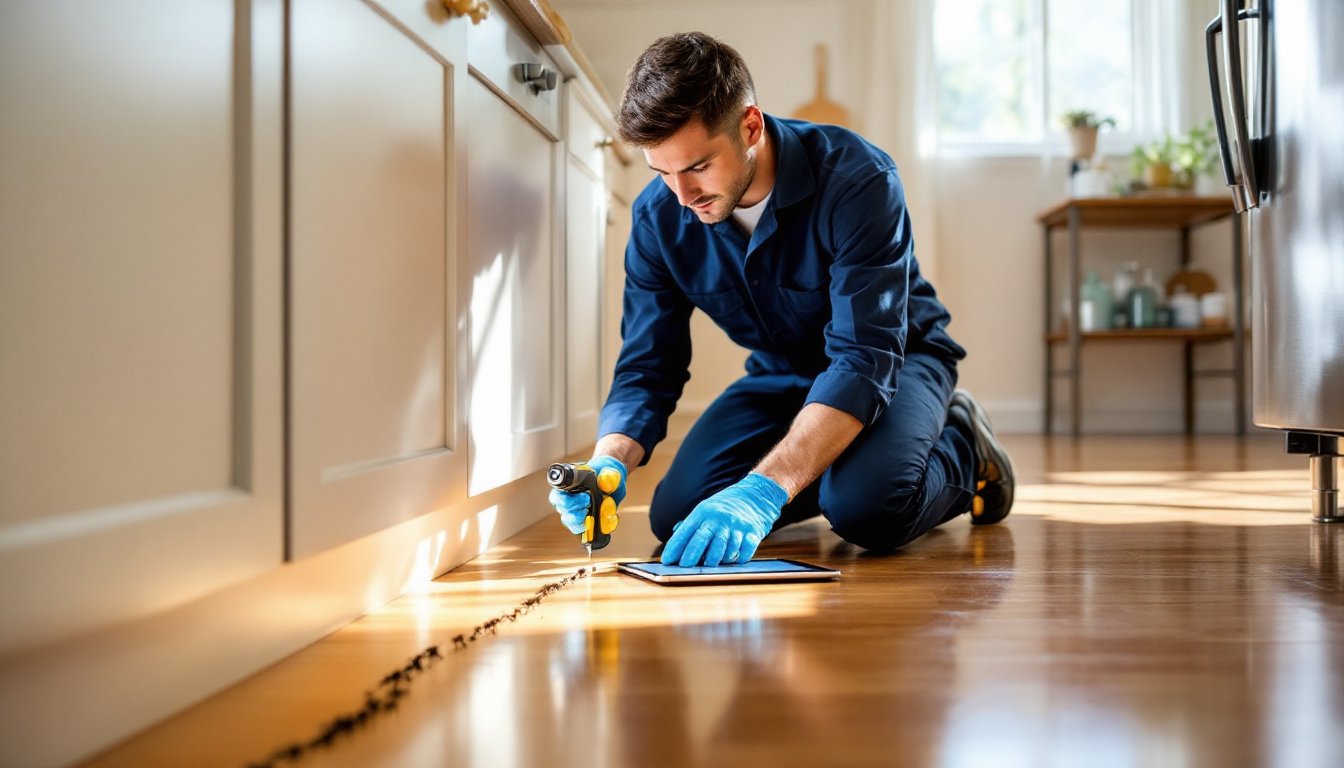
Baits are the first line of defense for many species. Worker ants carry bait back to the colony, killing the queen and brood. Baits work slowly, don’t expect instant results, but they’re effective for indoor infestations. Technicians place gel baits in cracks, granular baits near trails, and bait stations along exterior walls.
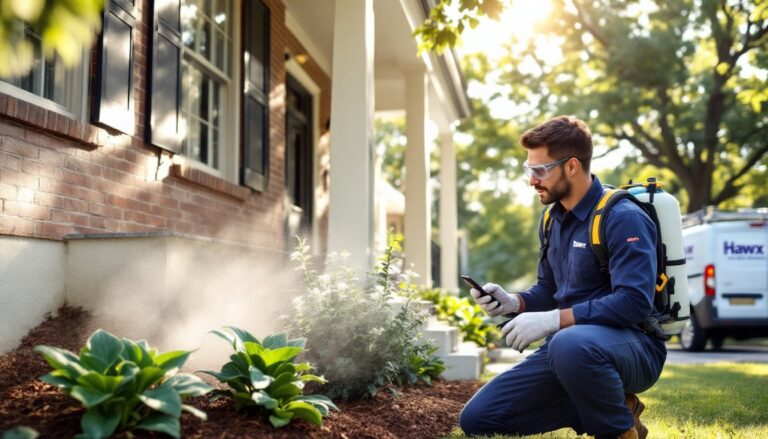
Liquid perimeter treatments create a barrier around the foundation. Professionals apply non-repellent insecticides (like Termidor or Taurus) that ants can’t detect. They walk through the treatment, pick up the chemical, and spread it throughout the colony. This method works well for pavement ants, odorous house ants, and Argentine ants.
Insecticidal dusts (boron-based or silica gel) go into wall voids, crawl spaces, and attics. Dust sticks to ants’ bodies, dehydrating them. It’s particularly useful for carpenter ants nesting inside walls.
Technicians will advise on prep work: clear counters, move furniture away from baseboards, and remove pets during application. Most products dry within a few hours, but follow the tech’s re-entry instructions. Many pest control methods require follow-up visits to monitor progress and reapply treatments if needed.
Professionals use commercial-grade products not available to consumers. They’re trained in proper dilution rates, application techniques, and safety protocols, which reduces risk and improves efficacy compared to DIY efforts.
How Much Does Ant Pest Control Service Cost?
Ant control pricing depends on infestation size, ant species, treatment method, and geographic region. According to cost data from 2026, homeowners typically pay between $200 and $500 for a one-time treatment, with severe infestations or carpenter ants pushing costs to $2,000 or more if structural treatment and repairs are involved.
One-time treatments run $200–$500 for standard ant species (odorous house ants, pavement ants). This includes inspection, interior and exterior application, and possibly one follow-up visit.
Carpenter ant treatments cost more, $500 to $2,000+, because they often nest inside walls, requiring wall void injections, dust applications, and sometimes wood replacement. If the infestation has caused structural damage, you’ll need a contractor to sister joists or replace framing, adding to the total cost.
Ongoing service plans (quarterly or monthly) range from $50 to $150 per visit. Many companies bundle ant control with general pest management, covering spiders, roaches, and seasonal invaders. Plans make sense if you’ve had recurring problems or live in an area with high pest pressure.
Pricing also varies by region. Urban markets and high-cost-of-living areas charge more. Get at least three quotes to compare, but don’t choose based on price alone, cheaper services may skip thorough inspections or use lower-quality products. Homeowners researching pest control approaches often find that investing in a reputable service upfront saves money over repeated DIY attempts.
Ask whether follow-up visits are included, what the warranty covers, and if there’s a charge for callbacks if ants return within a set period. Some companies offer free re-treatments within 30 or 60 days if the problem persists.
Choosing the Right Ant Pest Control Company
Picking the right pest control company matters. A sloppy job wastes money and leaves the colony intact.
Start with licensing and insurance. Every state requires pest control operators to hold a license. Verify credentials through your state’s pesticide regulatory agency. Techs should carry liability insurance in case something goes wrong during treatment.
Check reviews and references. Look beyond star ratings, read comments about follow-through, communication, and results. Did the company show up on time? Did they explain the treatment? Did ants return after service? Platforms like HomeAdvisor and ImproveNet aggregate contractor ratings and help homeowners compare local services.
Ask about treatment methods and products. Reputable companies explain what they use and why. If a tech can’t name the active ingredient or dismisses your questions, walk away. You’re trusting them to apply chemicals in your home, transparency isn’t optional.
Get written estimates. The estimate should detail inspection findings, species identified, treatment plan, number of visits, product names, and warranty terms. Avoid companies that quote over the phone without seeing the property.
Inquire about guarantees. Many companies offer warranties ranging from 30 days to a year, depending on the service plan. Understand what’s covered: if ants return, will they retreat for free? Are there exclusions?
Watch for high-pressure sales tactics. If a company insists you sign immediately or pushes unnecessary add-ons, that’s a warning sign. A professional service will give you time to compare options.
Finally, ask whether the company handles the specific species you’re dealing with. Not all services specialize in carpenter ants or pharaoh ants, which require different strategies than common household ants. For a broader look at managing various pests, homeowners often consult a comprehensive pest control guide before making a decision.
How to Prevent Ant Infestations After Professional Treatment
Professional treatment knocks out the colony, but prevention keeps ants from coming back. Most re-infestations happen because entry points and attractants remain.
Seal cracks and gaps. Ants enter through foundation cracks, gaps around windows and doors, utility penetrations, and weep holes. Use silicone caulk for small cracks, expanding foam for larger gaps, and copper mesh to stuff openings around pipes. Check weather stripping on doors, if light shows through, ants can get through.
Eliminate moisture. Fix leaky faucets, repair dripping pipes under sinks, and address condensation on HVAC lines. Many ant species nest near water sources, so a damp crawl space or wet basement invites trouble. Install a dehumidifier in basements and ensure gutters and downspouts direct water away from the foundation.
Cut off food sources. Wipe down counters daily, sweep floors, and store food in airtight containers (glass or heavy plastic, not cardboard). Don’t leave pet food out overnight. Empty trash regularly and rinse recyclables.
Trim vegetation. Keep shrubs, mulch, and tree branches at least 12 inches away from the foundation. Ants use branches as highways into the house. Remove leaf litter, woodpiles, and debris where colonies nest.
Address structural issues. Replace rotted wood on siding, trim, and sill plates. Carpenter ants target damaged wood, so fixing soft spots removes nesting sites. If you’ve got wood-to-soil contact, like deck posts sunk directly into the ground, install concrete footings or metal standoffs to break the connection.
Stick to the maintenance schedule your pest control company recommends. Quarterly treatments reinforce the barrier and catch new activity before it becomes an infestation. Many ongoing plans include seasonal pest control tips tailored to your region and home.
Store firewood away from the house, at least 20 feet from the foundation and elevated off the ground. Ants and other pests nest in woodpiles and hitch a ride indoors when you bring in logs. Applying effective control ideas around high-risk areas reduces the chance of re-infestation and keeps your home protected long-term.