Table of Contents
ToggleArkansas homeowners face a unique set of pest challenges. The state’s humid subtropical climate, with hot summers and mild winters, creates ideal conditions for termites, mosquitoes, roaches, rodents, and a host of other unwelcome visitors. Whether you’re dealing with fire ants in your lawn or hearing scratching in the attic, understanding local pest pressures and knowing when to tackle problems yourself versus calling in professionals can save money, prevent structural damage, and protect your family’s health.
Key Takeaways
- Arkansas pest control services are essential for dealing with termites, mosquitoes, fire ants, and rodents that thrive in the state’s humid subtropical climate year-round.
- DIY pest solutions work for small infestations like isolated roach sightings and early mouse problems, but professional pest control is necessary for termites, bed bugs, and severe rodent infestations.
- Licensed Arkansas pest control providers conduct thorough 30-60 minute inspections examining foundations, crawlspaces, attics, and exterior areas before recommending integrated pest management (IPM) treatments.
- Quarterly maintenance plans from reputable Arkansas pest control services typically cost $75-125 per visit and include interior/exterior treatments, web removal, and spot treatments.
- Preventing pests requires eliminating moisture sources, sealing entry points wider than 1/16 inch, removing food sources, and maintaining proper landscape management year-round.
- Always verify that Arkansas pest control providers hold valid State Plant Board licenses, carry liability insurance, and offer written guarantees before hiring them.
Common Pests Facing Arkansas Homeowners
Arkansas’s warm, humid environment supports a diverse pest population year-round. Understanding what you’re up against helps you prepare the right defense.
Termites top the list of destructive pests. Subterranean termites thrive in Arkansas soil and can compromise wooden structures silently for years. Swarmers typically appear in spring, often mistaken for flying ants. Damage estimates run thousands of dollars if left unchecked.
Mosquitoes breed in standing water and peak from April through October. Beyond the nuisance, they carry West Nile virus and other diseases. Arkansas’s frequent rainfall creates countless breeding sites in clogged gutters, birdbaths, and low-lying yard areas.
Fire ants build large mounds in lawns and deliver painful stings. These aggressive insects arrived in Arkansas decades ago and remain a persistent outdoor threat, especially problematic for children and pets.
Cockroaches, particularly American and German varieties, infest kitchens, bathrooms, and basements. They reproduce rapidly and carry allergens that trigger asthma, especially in children.
Rodents (mice and rats) seek shelter indoors when temperatures drop. They chew electrical wiring, contaminate food, and reproduce quickly. One pair of mice can produce 60+ offspring in a year under ideal conditions.
Spiders, including brown recluse and black widow species, inhabit dark corners, attics, and storage areas. While most Arkansas spiders are harmless, these two venomous species require caution.
Bed bugs have surged in recent years, hitching rides on luggage, used furniture, and clothing. They’re notoriously difficult to eliminate without professional intervention.
When to Call Professional Pest Control vs. DIY Solutions
Knowing your limits saves time, money, and frustration. Some pest problems respond well to DIY methods: others require licensed technicians.
DIY works for:
- Small ant trails or isolated roach sightings (bait stations, boric acid powder)
- Preventative mosquito control (eliminating standing water, larvicides in ponds)
- Spider removal in accessible areas (vacuum, residual sprays)
- Mouse problems caught early (snap traps, sealing entry points under 1/4 inch)
- Surface treatments with over-the-counter sprays for occasional invaders
Home improvement retailers carry effective baits, traps, and barrier sprays. Follow label instructions precisely, more isn’t better, and misapplication wastes product and money. Comparing professional versus DIY approaches helps clarify which situations suit each method.
Call professionals for:
- Termite activity of any kind. DIY termite treatments rarely penetrate deep enough or cover sufficient area. Licensed technicians use specialized equipment for soil treatments, bait systems, and thermal imaging to detect colonies.
- Bed bug infestations. These pests hide in cracks smaller than a credit card edge and resist most consumer-grade pesticides. Heat treatments and professional-grade chemicals require training and equipment.
- Recurring roach problems that don’t respond to baits within two weeks. You’re likely dealing with a large population or conducive conditions that need professional assessment.
- Rodent infestations beyond a couple of mice. Professionals identify entry points, install exclusion materials, and eliminate populations efficiently.
- Venomous spider concerns if you have young children, elderly family members, or can’t locate nests.
- Structural damage from carpenter ants or carpenter bees.
- Any situation requiring pesticide application in wall voids, crawlspaces, or attics. Confined spaces need proper ventilation and PPE beyond what most homeowners have.
Arkansas requires commercial pesticide applicators to hold valid licenses through the State Plant Board. Don’t hire unlicensed operators.
What to Expect from Arkansas Pest Control Services
Professional pest control follows a systematic approach. Understanding the process helps homeowners prepare and evaluate service quality.
Initial Inspection and Assessment
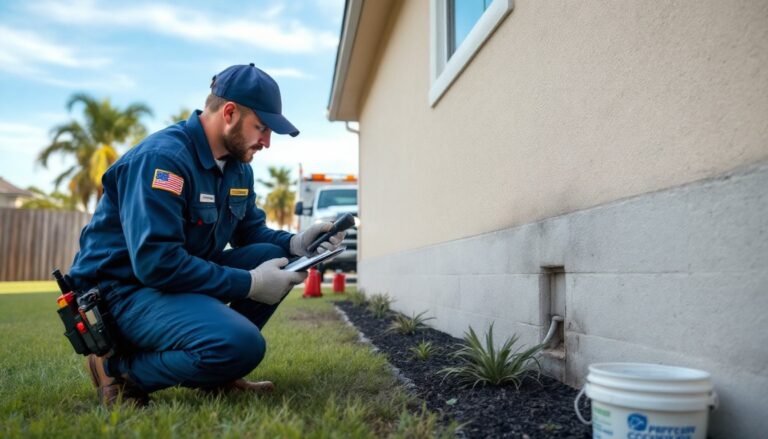
A thorough inspection precedes any treatment. Expect the technician to spend 30-60 minutes examining your property, depending on home size.
They’ll check:
- Foundation perimeter, looking for cracks, gaps around utility penetrations, and termite mud tubes
- Crawlspace or basement for moisture issues, rodent droppings, and pest activity
- Attic for signs of rodents, roaches, or wood-destroying insects
- Kitchen and bathrooms for water leaks and sanitation issues
- Exterior grounds within 10 feet of the foundation for conducive conditions
Technicians should identify the pest species accurately, treatment for German roaches differs significantly from American roaches. They’ll note entry points, harborage areas, and conditions attracting pests (moisture problems, gaps in weatherstripping, landscape touching siding).
You’ll receive a written report detailing findings, recommended treatments, and any structural or moisture issues that need addressing. Reputable companies explain their findings in plain language and answer questions without pressuring immediate service.
Many Arkansas providers offer free inspections but charge trip fees if you decline service. Clarify this upfront. Understanding what comprehensive pest control involves helps homeowners know what questions to ask during inspections.
Treatment Options and Methods
Integrated Pest Management (IPM) combines multiple strategies rather than relying solely on chemicals. Quality Arkansas providers emphasize IPM principles.
Common treatment methods include:
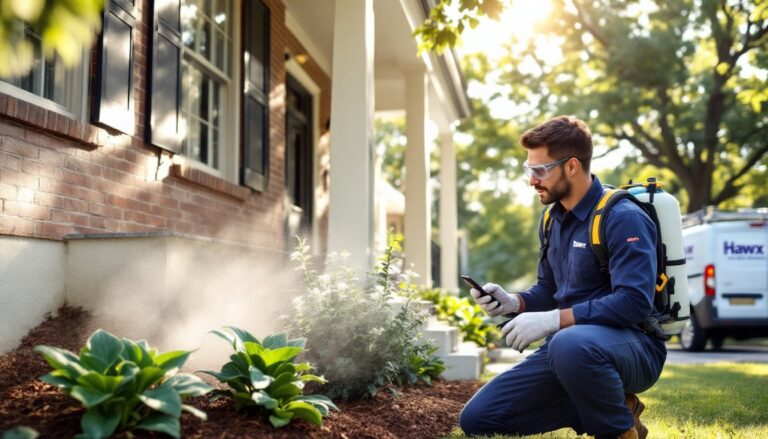
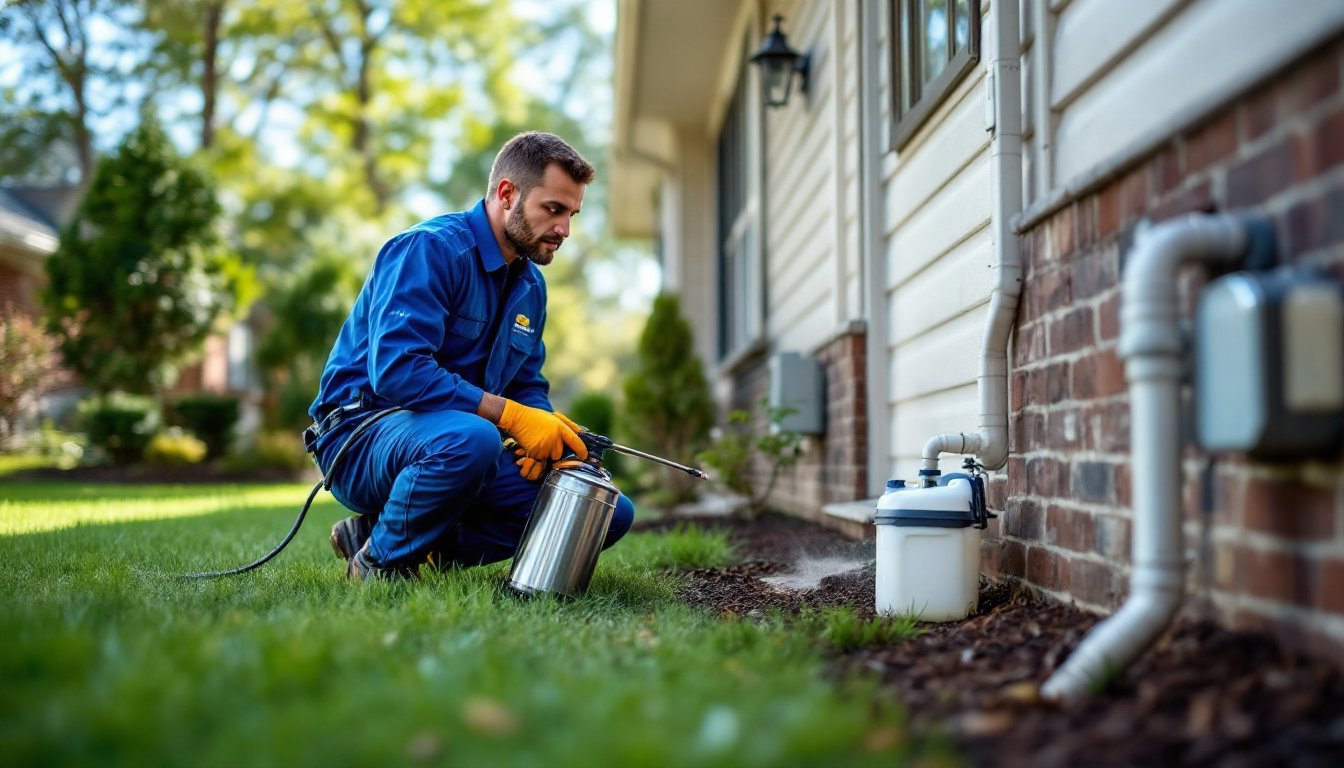
Liquid barrier treatments: Technicians apply residual pesticides around the foundation perimeter, creating a barrier insects cross and die. Products like bifenthrin or fipronil remain effective for 60-90 days. The technician sprays a 3-foot band up the foundation and 3-6 feet out onto the soil.
Baiting systems: Effective for ants, roaches, and termites. Insects carry bait back to colonies, eliminating populations at the source. Termite bait stations installed around the perimeter monitor for activity and deliver slow-acting toxins that spread through colonies.
Granular applications: Spread around foundations and in lawns for fire ants, fleas, and ticks. Granules activate with watering or rainfall.
Dusts: Applied in wall voids, attics, and crawlspaces where residual sprays don’t reach. Products like diatomaceous earth or boric acid dust remain effective for months if kept dry.
Exclusion work: Sealing entry points with caulk, copper mesh, or foam. This non-chemical approach prevents pest entry and provides long-term results.
Fumigation: Reserved for severe termite or bed bug infestations. The home is tented and filled with sulfuryl fluoride gas. Requires 24-72 hours of evacuation.
Technicians should explain which products they’re using, where they’re applying them, and when it’s safe to re-enter treated areas. Modern pesticides generally allow re-entry once surfaces dry, typically 2-4 hours.
Most Arkansas services offer quarterly maintenance plans that include interior and exterior treatments, web removal, and spot treatments as needed. Costs typically range $75-125 per quarterly visit for average-sized homes, with initial treatments costing more due to the time investment.
Choosing the Right Pest Control Provider in Arkansas
Arkansas has hundreds of pest control companies ranging from national franchises to one-truck operations. Vetting providers carefully protects your home and wallet.
Verify licensing and insurance. Arkansas requires commercial applicators to maintain licenses through the State Plant Board. Ask for the license number and verify it’s current. Legitimate companies carry general liability insurance and workers’ compensation coverage, request certificates.
Check experience with your specific pest problem. A company excellent at general pest control might lack termite expertise. Ask how they treat your particular issue and what success rates they see.
Get multiple quotes. Three estimates give you pricing perspective and let you compare approaches. Resources like HomeAdvisor connect homeowners with local contractors and provide cost benchmarks. Be wary of prices drastically below competitors, effective products and thorough service cost money.
Read reviews carefully. Look for patterns in feedback. Occasional negative reviews happen, but watch for recurring complaints about effectiveness, communication, or billing practices. Angi’s directory lists providers across Arkansas cities with verified reviews.
Ask about guarantees. Reputable companies stand behind their work. Most offer free retreatments if pests return between scheduled services. Get guarantee terms in writing.
Understand contract terms. Many companies require annual contracts with automatic renewal. Read cancellation policies before signing. Some charge early termination fees.
Evaluate communication. Does the company answer calls promptly? Do technicians arrive within the scheduled window? Clear communication indicates operational quality.
Request detailed service plans. What exactly happens during quarterly visits? Interior and exterior treatment? Attic and crawlspace checks? Web removal? Detailed plans prevent surprises.
National chains (Terminix, Orkin, Aptive) offer consistent protocols and robust guarantees but often cost more. Regional and local companies may provide more personalized service and flexibility. Neither is inherently better, evaluate based on the criteria above.
Preventative Measures to Keep Pests Away Year-Round
Professional treatments work best when combined with proactive prevention. Most pest problems stem from moisture, food sources, or entry points, issues homeowners can address.
Eliminate moisture problems:
- Fix leaky faucets, pipes, and roof issues immediately. Moisture attracts roaches, silverfish, and termites.
- Improve crawlspace ventilation. Install vapor barriers (6-mil polyethylene sheeting) over exposed soil.
- Grade soil away from the foundation with a minimum 6-inch drop over 10 feet.
- Clean gutters quarterly and ensure downspouts discharge at least 6 feet from the foundation.
- Run bathroom exhaust fans during and 15 minutes after showers.
Remove food sources:
- Store pantry items in sealed containers (not original packaging). Pests chew through cardboard and plastic bags.
- Clean up spills immediately and sweep floors daily.
- Take garbage out nightly and use trash cans with tight lids.
- Don’t leave pet food out overnight.
- Keep compost bins at least 30 feet from the house with secure lids.
Seal entry points:
- Inspect the foundation perimeter for cracks and gaps. Fill cracks wider than 1/16 inch with polyurethane or silicone caulk.
- Install door sweeps on all exterior doors, leaving less than 1/4-inch clearance.
- Seal gaps around utility penetrations (pipes, wires, vents) with copper mesh and expanding foam.
- Replace damaged window screens. Use 20-mesh or finer screening.
- Cap the chimney with spark arrestor screening.
- Install vent covers on crawlspace and attic vents.
Landscape management:
- Keep mulch, soil, and vegetation at least 18 inches from siding. This creates a dry zone pests avoid.
- Trim tree branches so they don’t touch the roof, rodents and ants use them as highways.
- Remove stacked firewood, lumber, and debris from around the foundation. Store firewood elevated at least 20 feet from the house.
- Eliminate standing water in yard depressions, buckets, and plant saucers.
Interior maintenance:
- Declutter storage areas. Cardboard boxes attract roaches and silverfish: switch to plastic bins.
- Vacuum regularly, including under appliances and furniture.
- Repair torn window and door screens immediately.
Implementing effective pest prevention strategies reduces the need for chemical treatments and protects your investment. Platform like ImproveNet offer additional guidance on maintenance projects that support pest prevention.
Seasonal checklist:
- Spring: Inspect for termite swarmers, clean gutters, check weatherstripping.
- Summer: Monitor for fire ant mounds, eliminate mosquito breeding sites, inspect attic for wasps.
- Fall: Seal gaps before rodents seek winter shelter, trim vegetation, store firewood properly.
- Winter: Check for rodent activity, maintain humidity levels below 50%, inspect stored items for pests.
Consistent attention to these basics dramatically reduces pest pressure. Think of prevention as routine maintenance, like changing HVAC filters or cleaning gutters, small efforts preventing expensive problems. For homeowners new to managing pest issues, following beginner-focused guidance builds confidence in maintaining a pest-free environment.