
Table of Contents
ToggleBuilding and construction for beginners can feel overwhelming at first. There are tools to learn, materials to understand, and safety rules to follow. But here’s the good news: everyone starts somewhere. This guide breaks down the essentials of construction into clear, manageable steps. Whether someone wants to build a backyard shed, renovate a room, or simply understand how structures come together, this article covers the fundamentals. Readers will learn about core construction concepts, must-have tools, common materials, job site safety, and how to approach a first project with confidence.
Key Takeaways
- Building and construction for beginners starts with understanding three core elements: foundation, framing, and finishing.
- Invest in quality basic tools like a tape measure, circular saw, level, and cordless drill before tackling your first project.
- Always check local building codes and obtain necessary permits before starting any construction project.
- Prioritize safety by wearing protective gear, following tool guidelines, and knowing when to hire a licensed professional.
- Start with small projects like a workbench or raised garden bed to build confidence and develop fundamental skills.
- Follow the “measure twice, cut once” rule to avoid wasting materials and time on preventable errors.
Understanding the Basics of Construction
Construction involves assembling structures using various materials, tools, and techniques. At its core, building and construction for beginners starts with understanding three key elements: foundation, framing, and finishing.
Foundation is the base of any structure. It distributes weight evenly and prevents shifting. Common foundation types include concrete slabs, crawl spaces, and full basements. For small projects, a simple concrete footing often works well.
Framing creates the skeleton of a building. Wood framing remains the most popular choice for residential projects in the United States. Steel framing offers greater strength but costs more. The frame supports walls, floors, and the roof.
Finishing covers everything that makes a structure livable. This includes drywall, flooring, paint, and fixtures. Finishing work requires precision and attention to detail.
Beginners should also understand load-bearing walls versus non-load-bearing walls. Load-bearing walls support structural weight. Removing them without proper support can cause serious damage. Non-load-bearing walls simply divide space and can be modified more easily.
Building codes govern all construction projects. These regulations ensure structures meet safety standards. Local building departments enforce codes and issue permits. Before starting any project, checking local requirements saves time and prevents costly mistakes.
Essential Tools Every Beginner Needs
The right tools make building and construction for beginners much easier. Starting with quality basics beats buying cheap tools that break or perform poorly.
Measuring and Marking Tools
- Tape measure: A 25-foot tape measure handles most projects
- Speed square: Essential for marking 90-degree and 45-degree angles
- Carpenter’s pencil: Flat design prevents rolling and leaves visible marks
- Level: A 4-foot level checks walls and surfaces for straightness
Cutting Tools
- Circular saw: The workhorse for cutting lumber and sheet goods
- Handsaw: Useful for quick cuts and tight spaces
- Utility knife: Cuts drywall, insulation, and packaging
Fastening Tools
- Hammer: A 16-ounce claw hammer suits most tasks
- Drill/driver: Cordless models offer convenience and power
- Screwdriver set: Both flathead and Phillips varieties
Safety Gear
- Safety glasses: Protect eyes from debris
- Work gloves: Shield hands from splinters and cuts
- Ear protection: Essential when using power tools
Investing in a sturdy tool belt or bag keeps everything organized and accessible. Many beginners make the mistake of buying tools they don’t need yet. It’s smarter to purchase tools as specific projects require them.
Key Construction Materials to Know
Building and construction for beginners requires familiarity with common materials. Each material has specific properties and applications.
Lumber
Wood remains the primary material for residential construction. Dimensional lumber comes in standard sizes like 2×4 and 2×6. The actual measurements differ from the name, a 2×4 actually measures 1.5 by 3.5 inches. Pressure-treated lumber resists rot and insects, making it ideal for outdoor use.
Plywood and oriented strand board (OSB) serve as sheathing materials. They cover floors, walls, and roofs before finishing materials go on.
Concrete
Concrete forms foundations, sidewalks, and floors. It consists of cement, sand, gravel, and water. Pre-mixed bags work well for small projects. Larger jobs typically require delivery from a concrete truck.
Fasteners
Nails and screws hold materials together. Different applications require different fasteners:
- Framing nails: 16d (3.5 inches) for structural connections
- Drywall screws: Coarse thread for wood studs
- Deck screws: Corrosion-resistant for outdoor use
Drywall
Drywall, also called gypsum board, covers interior walls and ceilings. Standard sheets measure 4×8 feet. Moisture-resistant “green board” works in bathrooms.
Insulation
Insulation controls temperature and energy costs. Fiberglass batts fit between studs. Spray foam expands to fill gaps. R-value measures insulation effectiveness, higher numbers mean better performance.
Safety Practices on the Job Site
Safety matters more than speed in building and construction for beginners. Accidents happen quickly but affect people for years.
Personal Protective Equipment
Every job site requires appropriate gear. Safety glasses prevent eye injuries from flying debris. Steel-toed boots protect feet from falling objects. Hard hats shield the head on sites with overhead hazards. Dust masks filter harmful particles when cutting or sanding.
Tool Safety
Power tools demand respect. Always read the manual before using any new tool. Keep guards and safety features in place, they exist for a reason. Unplug tools before changing blades or bits. Never carry a tool by its cord.
Ladder Safety
Falls cause many construction injuries. Set ladders on stable, level ground. Maintain three points of contact when climbing. Don’t overreach, move the ladder instead. Extension ladders should extend three feet above the landing point.
Site Organization
Clutter causes accidents. Keep walkways clear of materials and cords. Store tools properly when not in use. Clean up debris regularly. Good housekeeping prevents trips, falls, and lost tools.
Know Your Limits
Beginners should recognize when a task exceeds their skill level. Electrical work, gas lines, and structural modifications often require licensed professionals. Getting help isn’t weakness, it’s wisdom. Some mistakes cost more to fix than hiring an expert would have cost initially.
Starting Your First Project
Building and construction for beginners works best when starting small. A successful first project builds confidence and skills for larger work.
Choose the Right Project
Good starter projects include:
- Building a workbench
- Constructing simple shelving
- Framing a small shed
- Building a raised garden bed
These projects teach fundamental skills without major risk. They involve measuring, cutting, and fastening, the core of most construction work.
Plan Before Building
Skipping the planning phase leads to problems. Create a materials list before visiting the lumber yard. Sketch the project and note key dimensions. Calculate material quantities with a small buffer for mistakes.
Measure Twice, Cut Once
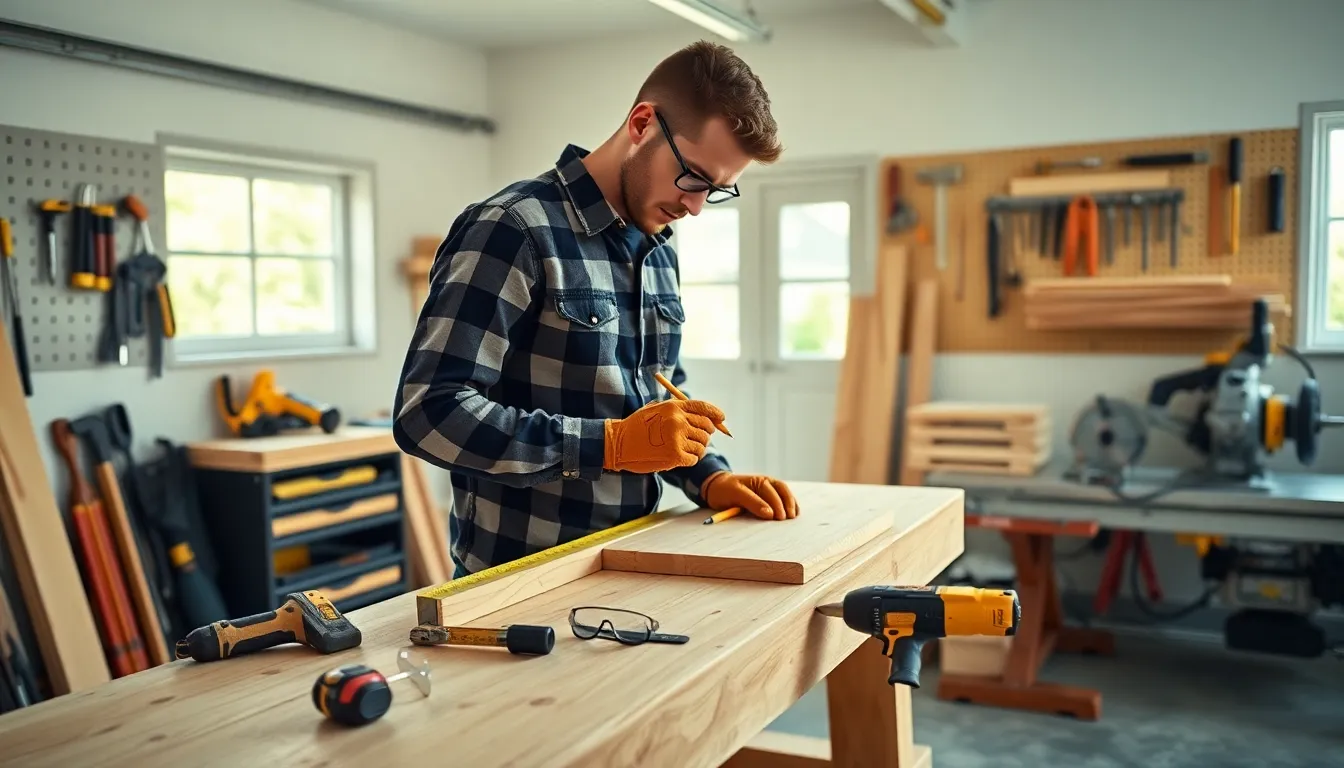
This old saying exists because it’s true. Cutting errors waste material and time. Double-check every measurement. Mark cut lines clearly. Take a breath before making the cut.
Work in Stages
Break projects into manageable steps. Complete each stage before moving to the next. This approach keeps work organized and allows for corrections along the way.
Expect Imperfection
First projects rarely turn out perfectly. Gaps, uneven edges, and visible mistakes happen to everyone. Each error teaches something valuable. The second project always goes smoother than the first.


