Table of Contents
ToggleLiving in Tucson means sharing your space with some of the desert’s toughest critters, scorpions, desert cockroaches, harvester ants, and subterranean termites that thrive in the Sonoran climate. These pests don’t just wander through: they settle in, and professional pest control can run $50–$150 per month. DIY pest control offers homeowners a practical, cost-effective alternative when done correctly. This guide walks through the specific challenges Tucson’s climate presents, the supplies that actually work in desert conditions, and the techniques to tackle the Valley’s most persistent invaders without calling in a crew every time.
Key Takeaways
- DIY pest control in Tucson can save $600–$1,800 annually compared to professional services, making exclusion and moisture control the foundation of effective desert pest management.
- Arizona bark scorpions, the signature Tucson pest, require a multi-step approach combining sealing entry points with UV detection, residual insecticides, and outdoor habitat reduction to prevent infestations.
- Essential DIY supplies including synthetic pyrethroids, diatomaceous earth, gel baits, copper mesh, and weatherstripping cost $100–$200 upfront and address scorpions, roaches, ants, and termite prevention.
- German cockroaches thrive in kitchens and bathrooms year-round and require gel bait applications combined with moisture control and food storage management, while desert cockroaches only invade during monsoon season.
- Subterranean termites cause $1.5 billion in damage across the Southwest and demand professional treatment, but prevention through wood-to-soil separation, moisture elimination, and regular inspections is a realistic DIY priority.
- Seasonal maintenance timed to Tucson’s temperature cycles and monsoon season—reapplying residual barriers after heavy rains and placing bait stations before ant trailing begins—reduces pest encounters by 50% within 4–6 weeks.
Understanding Tucson’s Unique Pest Challenges
Tucson’s low-desert environment creates a pest landscape unlike anywhere else in the country. The combination of extreme heat, minimal rainfall, and sudden monsoon flooding drives insects and arachnids into homes seeking moisture and temperature relief.
Scorpions, particularly the Arizona bark scorpion (Centruroides sculpturatus), are Tucson’s signature pest. They hunt at night, climb stucco walls, and squeeze through gaps as narrow as 1/16 inch. Unlike most pests, they don’t come for food, they’re hunting the insects already in your home.
Desert cockroaches (also called Arenivaga) and German cockroaches thrive in Tucson’s dry climate. The former lives outdoors but wanders indoors during monsoons: the latter infests kitchens and bathrooms year-round.
Harvester ants and Argentine ants establish massive colonies in yards and push into homes through foundation cracks, especially after rain when outdoor nests flood.
Subterranean termites cause an estimated $1.5 billion in damage annually across the Southwest. Tucson’s soil and irrigation practices create ideal conditions for these wood-destroying insects, which homeowners often encounter early on when managing their properties.
The key difference between Tucson and humid climates: pests here aren’t just looking for food, they’re seeking water and cooler microclimates, which makes exclusion and moisture control as critical as bait or spray.
Essential DIY Pest Control Supplies for Tucson Homeowners
Stocking the right supplies makes the difference between occasional spot-treatment and a failed DIY effort that ends with a service call. Here’s what works in Tucson’s conditions.
Residual Insecticides:
• Synthetic pyrethroids (permethrin, bifenthrin, lambda-cyhalothrin) remain effective for 30–90 days and handle scorpions, roaches, and ants. Suspend SC and Talstar P are commonly used formulations. Mix according to label instructions, typically 0.5–1 oz per gallon of water.
• Diatomaceous earth (DE), food-grade, works mechanically rather than chemically. Dust it into wall voids, attic spaces, and along baseboards. It stays active indefinitely as long as it remains dry.
Baits and Granules:
• Gel baits for ants and roaches (active ingredients: fipronil, indoxacarb) outperform sprays indoors. Apply pea-sized dots in cracks, under sinks, and behind appliances.
• Granular baits for outdoor ant mounds. Broadcast or treat individual colonies with products containing spinosad or hydramethylnon.
Exclusion Materials:
• Weatherstripping (rubber or silicone) for doors and windows.
• Copper mesh or stainless steel wool for sealing pipe penetrations, vents, and larger gaps. Steel wool rusts in monsoon moisture: copper doesn’t.
• Caulk (silicone or polyurethane-based) rated for exterior use and temperature extremes (Tucson sees 115°F+ in summer).
Application Tools:
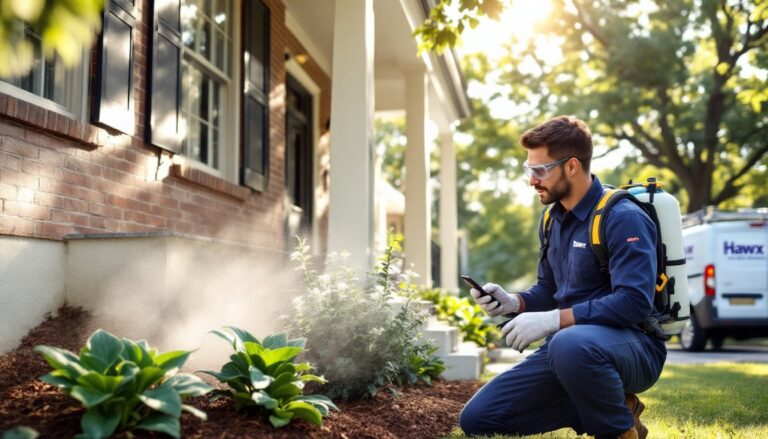
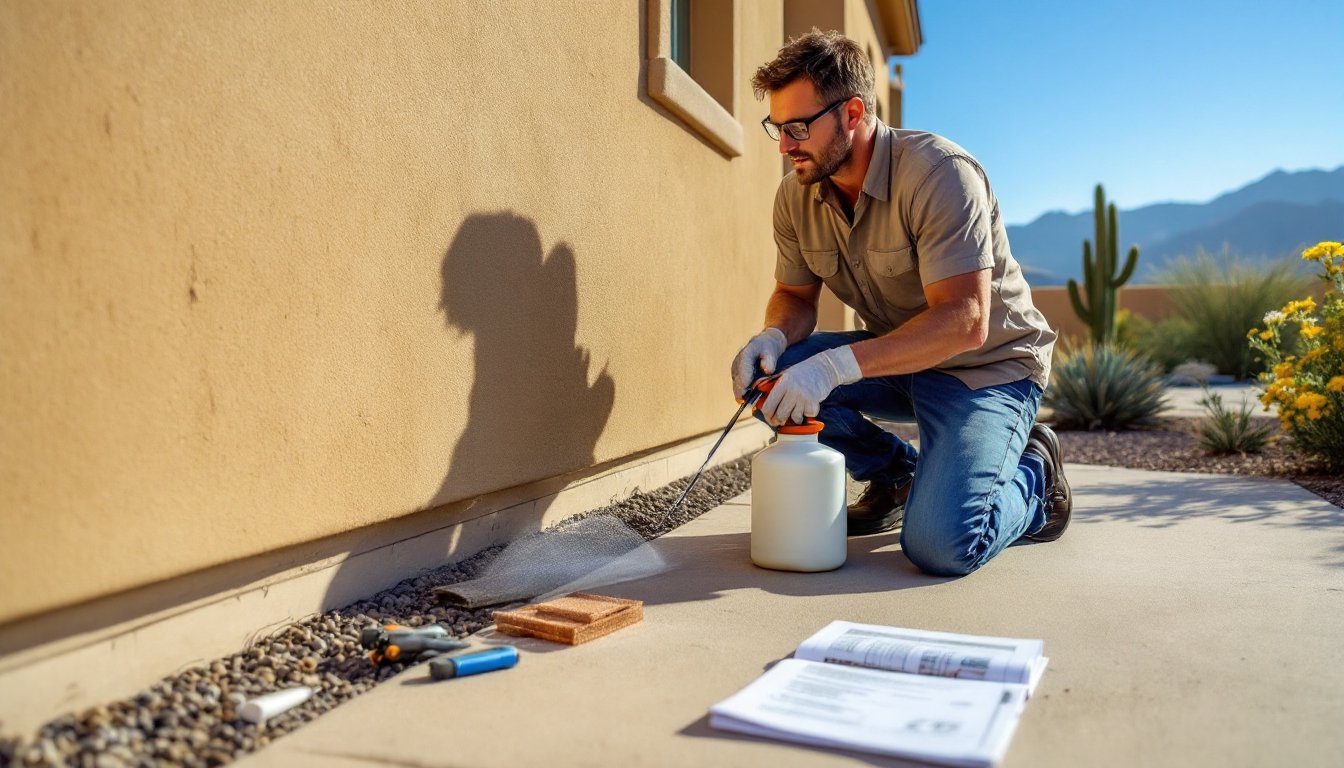
• 1-gallon pump sprayer for applying residual insecticides around the foundation and entry points.
• Hand duster for applying DE into cracks and voids.
• Caulk gun and utility knife for exclusion work.
• UV flashlight (blacklight, 385–395 nm wavelength) for scorpion detection at night. Scorpions fluoresce bright green under UV light.
PPE:
• Nitrile gloves (latex degrades in heat).
• Safety glasses when applying sprays or dusts overhead.
• N95 respirator when working with dusts or in enclosed spaces like attics.
Expect to spend $100–$200 upfront for a full kit. Products like residual sprays and exclusion tools are widely available at local hardware stores and online retailers.
Tackling Scorpions: Tucson’s Most Notorious Pest
Scorpions are Tucson’s toughest DIY challenge, but they’re manageable with consistent effort. The Arizona bark scorpion is venomous, and stings are painful (though rarely life-threatening for healthy adults). Young children, elderly individuals, and anyone with compromised immune systems should seek medical attention after stings.
Step 1: Identify Entry Points
Scorpions enter through gaps around doors, windows, utility penetrations, weep holes in block walls, and cracks in stucco. Walk the perimeter of your home at dusk with a UV flashlight. Mark any scorpions you find: their presence indicates nearby entry points.
Step 2: Seal Exterior Gaps
- Apply weatherstripping to all exterior doors, ensuring a tight seal at the threshold. Use door sweeps with a bristle or rubber flange that contacts the ground fully.
- Caulk around window frames, utility boxes, and pipe penetrations. Scorpions flatten their bodies, so seal anything wider than a credit card edge.
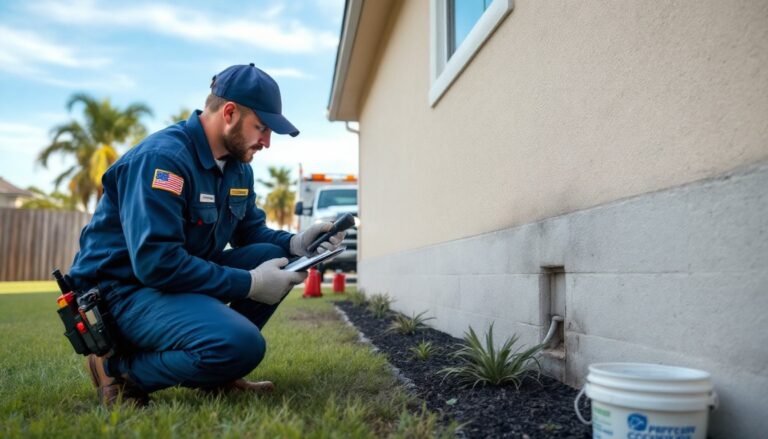
- Stuff copper mesh into weep holes (the small openings at the base of block walls). Don’t seal them completely, they’re designed for moisture drainage, but the mesh blocks scorpion entry.
Step 3: Apply Residual Insecticide
Mix a bifenthrin or lambda-cyhalothrin spray (follow label dilution rates) and apply:
• A 3-foot band around the entire foundation, from ground level up to window sills.
• Around door frames, garage entry points, and any cracks in stucco.
• Inside the garage along baseboards and corners.
Reapply every 60–90 days or after heavy monsoon rains, which degrade residual effectiveness.
Step 4: Reduce Outdoor Habitat
Scorpions hide under rocks, woodpiles, potted plants, and landscape timbers during the day. Remove or elevate these items at least 6 inches off the ground. Trim vegetation away from the home’s exterior, scorpions climb plants to access rooflines and attics.
Step 5: Control Interior Prey
Scorpions feed on crickets, roaches, and spiders. If you’re seeing scorpions indoors, you likely have an existing insect problem. Apply gel bait for roaches, dust DE into wall voids, and address any moisture issues (leaky pipes, condensation) that attract prey insects.
When to Call a Professional:
If you’re finding more than 2–3 scorpions per week indoors even though exclusion and treatment, you may have an established population in your walls or attic. At that point, a professional with commercial-grade products and experience comparing methods is the safer bet.
Controlling Cockroaches and Ants in the Desert Climate
Roaches and ants behave differently in Tucson than in humid climates, and treatment strategies need to adjust accordingly.
Desert Cockroaches:
These pale, wingless roaches live outdoors in soil and leaf litter but wander inside during monsoons. They don’t infest homes the way German roaches do.
• Spray a residual barrier (permethrin or bifenthrin) around doors, windows, and the foundation.
• Remove outdoor harborage: leaf piles, mulch against the foundation, and dense ground cover within 2 feet of the home.
• They don’t need bait, barrier sprays and exclusion are sufficient.
German Cockroaches:
These are the small (1/2 inch), tan roaches with two dark stripes behind the head. They infest kitchens and bathrooms and reproduce rapidly.
- Apply gel bait (Advion, Vendetta) in cracks, behind appliances, under sinks, and inside cabinets. Use a pea-sized dot every 12 inches. Avoid spraying insecticide near bait, it repels roaches.
- Dust boric acid or DE into wall voids via electrical outlet covers (turn off power first) and under appliances.
- Fix leaks immediately. German roaches need water more than food, and even minor drips sustain populations.
- Clean grease, crumbs, and food residue daily. Store dry goods in sealed containers.
Harvester and Argentine Ants:
Harvester ants build large mounds in yards and deliver painful stings. Argentine ants form supercolonies and trail into homes by the thousands.
• For outdoor mounds, apply granular bait (spinosad or hydramethylnon) directly on or around the mound. Water lightly after application to help ants carry bait below ground.
• For trailing ants indoors, place liquid bait stations (Terro, based on borax) along trails. Don’t spray the ants, you want them to carry bait back to the colony.
• Apply a residual spray barrier outdoors to intercept ants before they reach the house.
• Seal cracks in the foundation and around plumbing penetrations. Ants exploit even hairline cracks.
Ants peak during monsoon season (July–September) when outdoor nests flood. Expect increased activity during this window, and treat proactively in late June.
Preventing Termites and Wood-Damaging Insects
Termites cause more structural damage in Tucson than any other pest, and DIY prevention is realistic, DIY treatment of an active infestation is not. If you find mud tubes, damaged wood, or swarming termites (winged insects emerging indoors), call a licensed pest control operator. Termite treatment often requires soil trenching and termiticide injection, which most jurisdictions require a licensed applicator to perform.
Subterranean Termites:
These are the species Tucson homeowners face. They live in the soil and build mud tubes up foundation walls to access wood.
Prevention Steps:
- Eliminate wood-to-soil contact. Remove any lumber, firewood, or landscape timbers touching the ground and within 18 inches of the home. Store firewood on a rack at least 20 feet away.
- Fix moisture issues. Repair leaky irrigation lines, downspouts, and hose bibs. Termites need moisture to survive, and even minor leaks near the foundation increase risk.
- Reduce mulch and ground cover. Keep mulch at least 6 inches away from the foundation. Gravel or rock mulch is preferable to wood mulch in Tucson.
- Inspect regularly. Walk your home’s perimeter every 3–6 months. Look for mud tubes on the foundation, damaged wood (sounds hollow when tapped), or discarded termite wings near windows.
- Treat wood with borate. For new construction or exposed framing, apply a borate wood treatment (Bora-Care, Timbor). This creates a protective barrier within the wood itself. Not effective on painted or sealed wood.
Drywood Termites:
Less common in Tucson than subterranean species but still present. They infest dry wood (furniture, framing, door frames) without soil contact. Signs include small piles of frass (pellet-like droppings) below infested wood.
Drywood termite treatment typically requires fumigation (tenting the entire home) or localized treatment, both of which require a licensed professional. DIY options are limited and often ineffective.
When Permits Are Required:
Termite treatment with liquid termiticides applied to soil typically requires a pest control license in Arizona. If you discover an active infestation, don’t attempt DIY treatment, property damage can escalate quickly, and improper application won’t stop the colony. Professionals offering cost-effective solutions can assess damage and apply treatments that meet state regulations.
Year-Round DIY Pest Prevention Strategies for Tucson Homes
Consistent, seasonal maintenance keeps pest pressure low and reduces the need for reactive treatments. Tucson’s pest activity shifts with temperature and rainfall, so timing matters.
Spring (March–May):
• Inspect and repair door sweeps and weatherstripping before summer heat drives pests indoors.
• Apply a fresh residual spray barrier around the foundation. Spring is when many insects become active after winter dormancy.
• Trim trees and shrubs away from the home. Branches touching the roof provide highways for scorpions, ants, and roof rats.
Summer (June–August):
• Inspect irrigation systems for leaks. Even small drips create moisture zones that attract pests.
• Check attic vents and soffit vents for gaps. Scorpions and roof rats access attics through poorly sealed vents.
• Run a UV flashlight check once per week at night during June and July, peak scorpion activity.
Monsoon Season (July–September):
• Expect increased ant, roach, and scorpion activity as outdoor nests flood. Reapply residual insecticide after heavy rains (more than 1 inch in 24 hours).
• Place bait stations for ants before they establish trailing routes indoors.
• Seal any new cracks in stucco or foundation caused by ground shifting during storms.
Fall (October–November):
• Rodents (roof rats, pack rats) seek shelter as temperatures drop. Inspect the roofline for entry points and seal with copper mesh or hardware cloth (1/4-inch mesh).
• Clear leaf litter, firewood, and debris from the yard. These provide overwintering habitat for crickets, spiders, and scorpions.
• Apply gel bait indoors as a preventive measure. Cooler outdoor temps push German roaches deeper into homes.
Winter (December–February):
• Pest activity drops, but don’t skip monitoring. Scorpions are less active but still present, especially in heated garages and south-facing walls.
• Inspect stored items in the garage, attic, and sheds. Scorpions and spiders hide in boxes, shoes, and folded fabric.
• Use this slower season to complete exclusion work: caulking, mesh installation, and weatherstripping repairs.
General Maintenance:
• Replace HVAC filters monthly. Filters clogged with dust reduce airflow and create humidity imbalances that attract pests.
• Clean gutters and downspouts. Standing water in clogged gutters attracts mosquitoes and provides moisture for termites.
• Store pantry goods in sealed plastic or glass containers. Flour, cereal, and pet food attract pantry pests (Indian meal moths, flour beetles).
Many Tucson homeowners benefit from comparing different control techniques to determine what fits their home’s specific layout and pest pressure. Combining exclusion, sanitation, and targeted treatments, homeowners see measurable reductions in pest encounters within 4–6 weeks. For additional strategies, reviewing proven ideas from other desert climates can offer fresh approaches to persistent problems.
Safety Note:
Always read and follow pesticide labels. The label is a legal document, and improper application can harm people, pets, and beneficial insects. Store all pesticides in original containers, out of reach of children and pets, in a cool, dry location.
Conclusion
DIY pest control in Tucson isn’t about eliminating every bug, it’s about managing populations and making your home a less attractive target. Focus on exclusion first, then targeted treatments, and stay consistent with seasonal maintenance. If you’re facing an established scorpion colony, active termite damage, or a German roach infestation that isn’t responding to bait, that’s the time to bring in a licensed professional. But for most Tucson homeowners, a solid foundation of exclusion, moisture control, and residual treatments keeps the desert’s toughest pests outside where they belong.