Table of Contents
ToggleFoxes have always been part of the Hudson Valley landscape, but in 2026, they’re showing up closer to homes than ever before. These intelligent, adaptable animals don’t just pass through, they dig under sheds, raid trash bins, and set up dens in crawlspaces. For homeowners, the line between wildlife appreciation and property damage gets blurry fast. This guide walks through the signs of fox activity, practical deterrent methods you can handle yourself, and when it’s time to bring in professionals. Whether you’re dealing with your first fox sighting or repeated intrusions, understanding their behavior is the first step to reclaiming your property.
Key Takeaways
- Fox pest control in Hudson Valley requires identifying early signs like tracks, scat, digging, and distinctive musky odors that indicate active fox presence on your property.
- Physical barriers such as 4-foot fencing with buried footers, hardware cloth exclusion under decks and sheds, and motion-activated lights are the most effective DIY fox deterrent methods.
- Eliminating food sources like unsecured trash, outdoor pet food, and compost piles is essential, as foxes are opportunistic feeders with home ranges spanning 1 to 2 square miles.
- Professional fox pest control services become necessary for denning under foundations, repeated intrusions, abnormal behavior suggesting rabies or distemper, or legal trapping and relocation needs in New York.
- Long-term prevention strategies include annual property inspections, landscape modifications to reduce shelter, protected livestock housing, and neighbor coordination to address fox attractants collectively.
Why Foxes Are Becoming a Problem in Hudson Valley Homes
The Hudson Valley’s suburban sprawl has turned prime fox habitat into a patchwork of yards, woodlots, and roadways. As development expands, foxes adapt. They’re opportunistic feeders with home ranges that can span 1 to 2 square miles, and they’re not shy about including human properties in that territory.
Three factors drive fox encounters in residential areas. First, food availability: unsecured trash, outdoor pet food, and compost piles act as fox magnets. Second, den sites: crawlspaces under decks, sheds, and porches mimic natural dens and offer protection from weather and predators. Third, reduced predator pressure: coyote populations fluctuate, and in areas where coyotes are less active, foxes move in.
Red foxes are the most common species in the region, though gray foxes appear occasionally. Both are primarily nocturnal but may be active at dawn and dusk. Homeowners often mistake fox activity for stray dogs or raccoons until they see scat, tracks, or the animals themselves. Unlike raccoons, foxes are less likely to cause structural damage, but they will dig, mark territory with urine (which has a distinctive musky odor), and prey on small pets like chickens, rabbits, or even small cats left outdoors.
Signs You Have a Fox Problem on Your Property
Identifying fox activity early makes deterrence easier. Look for these indicators:
Tracks and scat: Fox tracks resemble small dog prints, roughly 2 to 2.5 inches long, with four toes and claw marks. They tend to walk in a straight line, unlike the wandering path of a domestic dog. Scat is typically twisted, rope-like, and about 3 to 4 inches long, often containing fur, feathers, or berry seeds.
Digging and burrows: Foxes dig under structures for dens, especially in spring when raising kits. Fresh dirt piles near shed foundations, deck edges, or retaining walls are red flags. Burrow entrances are typically 8 to 10 inches in diameter.
Odor: Fox urine has a sharp, skunk-like smell that lingers, especially near den sites or marking spots. If your yard smells musky and it’s not from skunks, foxes may be the culprit.
Noise: Foxes vocalize more than people expect. They bark, scream (especially during mating season in winter), and make chattering sounds. Nighttime barking that doesn’t sound like a dog warrants investigation.
Missing poultry or pets: If you keep chickens or rabbits and find them missing or killed with minimal damage (foxes often carry prey away), a fox is the likely suspect. They’re also known to snatch outdoor cat food or small pets left unattended.
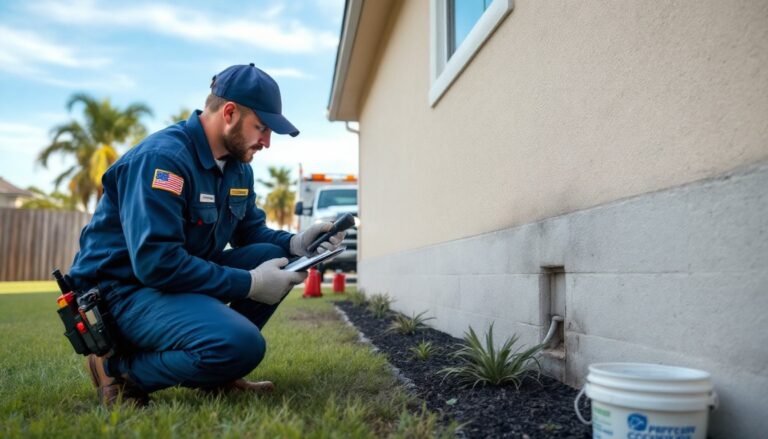
Documenting these signs helps whether you’re tackling the problem yourself or calling in animal removal specialists to assess the situation.
DIY Fox Deterrent Methods That Actually Work
Securing Your Property Against Fox Intrusions
Physical barriers are the most reliable first line of defense. Foxes are diggers and climbers, so half-measures won’t cut it.
Fencing: Install welded wire or hardware cloth fencing at least 4 feet tall with an L-shaped footer buried 12 to 18 inches deep and extending 12 inches outward underground. This prevents digging under. For chicken coops and runs, use 1/2-inch hardware cloth, chicken wire won’t stop a determined fox.
Exclude den sites: Inspect under decks, sheds, and porches. If you find a burrow, confirm it’s unoccupied (no fresh tracks or scat, no noise from inside) before sealing. Use 1/4-inch hardware cloth or welded wire secured with landscape staples and backfill dirt. Never seal an occupied den, this can trap young kits inside.
Secure trash and food sources: Use locking trash cans or store bins in a garage. Feed pets indoors and bring bowls inside after meals. Remove fallen fruit from trees and keep compost bins enclosed. Foxes scout for easy calories, and eliminating food sources makes your property less attractive.
Lighting and motion sensors: Foxes prefer darkness. Install motion-activated lights or sprinklers near high-traffic areas like trash bins, garden edges, or chicken coops. These won’t eliminate foxes but make them uncomfortable enough to move on.
Natural Repellents and Humane Exclusion Techniques
Repellents rarely work as standalone solutions, but they can reinforce physical barriers and behavior modification.
Commercial repellents: Granular or spray repellents containing capsaicin, predator urine (like coyote or bobcat), or ammonia-based compounds may deter foxes temporarily. Reapply after rain and rotate products to prevent habituation. Expect moderate results, foxes adapt quickly.
DIY deterrents: Some homeowners report success with ammonia-soaked rags placed near den entrances or buried fish scraps (the smell repels foxes). These methods are hit-or-miss and require frequent reapplication.
Harassment techniques: If a fox is denning under your shed, make the area unpleasant before sealing. Play loud music, place a bright light near the entrance, or use a garden hose to flood the area lightly. Once the fox relocates (usually within a few days), seal the entry immediately.
Habitat modification: Trim low-hanging shrubs and clear brush piles. Foxes prefer cover, and reducing hiding spots makes your yard less appealing. Mow tall grass near property edges and remove debris piles that could serve as shelter.
For a broader view of effective pest control ideas, consider integrated strategies that address multiple species, since foxes often share territory with other nuisance animals. When planning deterrents, home improvement guides can help with structural modifications like securing crawlspaces or reinforcing fencing.
When to Call Professional Fox Pest Control Services
DIY methods work for minor fox activity, but some situations require professional intervention.
Call a licensed wildlife control operator if:
- A fox is denning under your home’s foundation or in an inaccessible crawlspace.
- You have repeated intrusions even though multiple deterrent efforts.
- A fox is behaving abnormally, active during midday, showing no fear of humans, or appearing disoriented. This could indicate rabies or distemper, both of which pose serious health risks.
- You need live trapping and relocation. In New York State, only licensed professionals can legally trap and relocate wildlife. DIY trapping without a permit is illegal and can result in fines.
- You have structural damage requiring repair after exclusion, such as torn vent screens or compromised crawlspace access points.
Professionals use humane trapping methods, one-way exclusion doors, and guaranteed sealing techniques. They also inspect for secondary entry points you might miss. Costs vary by region and job complexity, but expect $200 to $600 for inspection, trapping, and exclusion work. Structural repairs are typically billed separately.
Check credentials before hiring. Look for operators licensed by the New York State Department of Environmental Conservation (DEC) and insured for wildlife control work. Ask about their exclusion methods, reputable services prioritize long-term solutions, not just removal. A comprehensive pest control guide can help homeowners understand what professionals should be addressing during inspections.
Preventing Future Fox Problems: Long-Term Solutions for Hudson Valley Homeowners
Once you’ve dealt with a fox issue, prevention keeps them from returning.
Annual property inspections: Walk your property each spring and fall. Check fence lines for gaps, inspect crawlspaces for new digging, and confirm trash storage remains secure. Foxes are persistent, and maintenance matters.
Landscape strategically: Keep grass mowed and shrubs trimmed back from structures. Avoid creating dense thickets near your home. If you compost, use a rodent-proof bin with a locking lid, foxes hunt rodents, and a rodent-friendly compost pile attracts both.
Protect livestock proactively: If you keep chickens, rabbits, or ducks, top pest control methods recommend covered runs, automatic coop doors that close at dusk, and elevated housing. Foxes hunt at night, so securing birds before dark is non-negotiable.
Neighbor coordination: Foxes roam across multiple properties. If your neighbor leaves trash unsecured or has a burrow under their deck, your deterrent efforts are undermined. Politely share information and encourage collective action.
Monitor for new activity: Don’t assume one successful exclusion means you’re done. Foxes are territorial, and new individuals may move in if habitat conditions remain favorable. Stay vigilant and address attractants immediately.
Long-term fox deterrence isn’t complicated, but it requires consistency. For homeowners juggling multiple projects, practical resources like The Spruce’s home improvement guides offer additional maintenance checklists that complement wildlife prevention efforts.
The Hudson Valley’s mix of rural charm and suburban development will keep foxes in the neighborhood. With the right combination of physical barriers, habitat modification, and vigilance, homeowners can coexist with wildlife without sacrificing property security.