Table of Contents
TogglePest problems don’t wait for convenient timing. A mouse sighting in the kitchen or carpenter ants chewing through structural lumber can spiral from minor nuisance to costly damage in weeks. Griffin homeowners face unique challenges, warm, humid Georgia summers breed mosquitoes and termites, while cooler months drive rodents indoors. Whether you’re dealing with an active infestation or trying to prevent one, understanding pest behavior and control methods protects both your home’s structure and your family’s health.
Key Takeaways
- Griffin pest control protects your home’s structural integrity and family health, with termites alone causing an estimated $5 billion in annual U.S. property damage.
- Early identification of common pests like termites, rodents, and cockroaches prevents minor issues from escalating into costly structural emergencies.
- DIY pest control solutions including exclusion (sealing gaps with steel wool and door sweeps), granular treatments, and traps can handle many pest problems effectively when label instructions are followed.
- Natural and eco-friendly methods like diatomaceous earth, beneficial nematodes, and essential oils work best as preventive measures paired with proper exclusion and sanitation practices.
- Professional pest control services are necessary for termite infestations, large rodent populations, and stinging insects, with typical costs ranging from $100–$300 per treatment in Griffin.
- Year-round maintenance combining seasonal inspections, moisture elimination, and clutter removal keeps pests from gaining footholds and ensures long-term protection.
What Is Griffin Pest Control and Why It Matters for Homeowners
Pest control in Griffin refers to the systems and practices homeowners use to prevent, identify, and eliminate unwanted insects, rodents, and wildlife from their properties. It’s not just about convenience, it’s a structural and health imperative.
Pests compromise building integrity. Termites consume an estimated $5 billion in property damage annually across the U.S., and Georgia’s humid climate makes it a hotspot. Subterranean termites chew through floor joists, wall studs, and roof sheathing, often undetected until damage is severe. Carpenter ants bore galleries in damp or decaying wood, weakening structural members. Rodents gnaw through electrical wiring, creating fire hazards that violate National Electrical Code (NEC) safety standards.
Health risks multiply with infestations. Cockroaches spread salmonella and trigger asthma. Rodent droppings carry hantavirus. Mosquitoes transmit West Nile virus and Zika. Professional and DIY pest control strategies reduce these threats by interrupting breeding cycles and eliminating entry points.
For Griffin homeowners, pest control also preserves property value. A termite inspection report showing active infestation can derail a home sale or cost thousands in repairs. Regular monitoring and preventive measures, especially for homes built with crawl space foundations common in the region, keep structural elements sound and marketable.
Common Pest Problems in Griffin and How to Identify Them
Georgia’s climate invites a predictable roster of pests. Knowing what to look for speeds identification and response.
Termites: Look for mud tubes along foundation walls, hollow-sounding wood when tapped, and discarded wings near windowsills in spring. Subterranean termites are the most destructive type in Griffin. They travel through soil and up foundation walls, making crawl space inspections critical.
Ants: Carpenter ants leave fine sawdust (frass) near baseboards or window frames. They prefer moist wood, so check around leaky pipes and under sinks. Fire ants build mounds in lawns and deliver painful stings, disturbing a mound without treatment sends thousands of aggressive workers swarming.
Rodents: Mice and rats leave droppings (about ¼ inch for mice, ½ inch for rats), gnaw marks on food packaging, and greasy rub marks along walls where they travel. You’ll often hear them in walls or attics at night. Check for entry points around utility penetrations, garage doors, and foundation vents.
Cockroaches: German and American roaches thrive in kitchens and bathrooms. Look for dark droppings resembling ground pepper, egg cases (oothecae) in cabinet corners, and a musty odor. They’re nocturnal, so spotting one during the day often signals a large population.
Mosquitoes and Ticks: Standing water in gutters, bird baths, or clogged downspouts breeds mosquitoes. Ticks hide in tall grass and wooded areas. Both are more than nuisances, they’re disease vectors requiring proactive management.
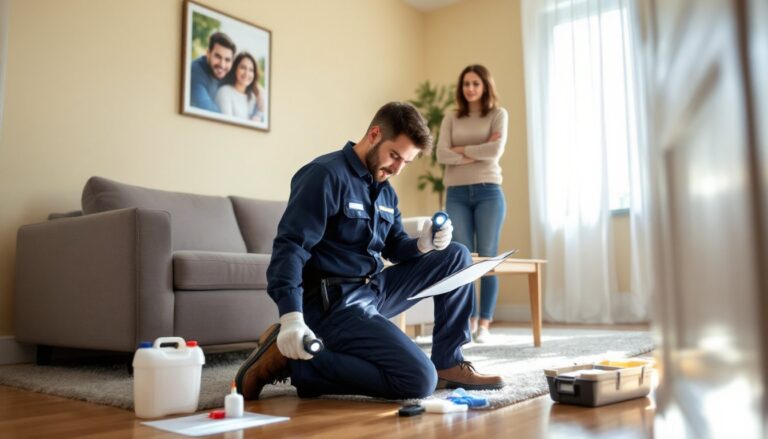
Early identification keeps small problems from becoming structural emergencies. When in doubt, a flashlight and a crawl space inspection can reveal a lot.
DIY Pest Control Solutions for Griffin Residents
Homeowners can tackle many pest issues with the right materials and approach. Start with exclusion, sealing entry points eliminates 90% of rodent problems.
Exclusion and Barriers: Inspect your home’s exterior for gaps. Use copper mesh or steel wool to plug holes around pipes, vents, and utility lines (rodents chew through spray foam alone). Install door sweeps on exterior doors, ensuring less than ¼-inch clearance. Replace damaged window screens with 20-mesh or finer screening to block insects.
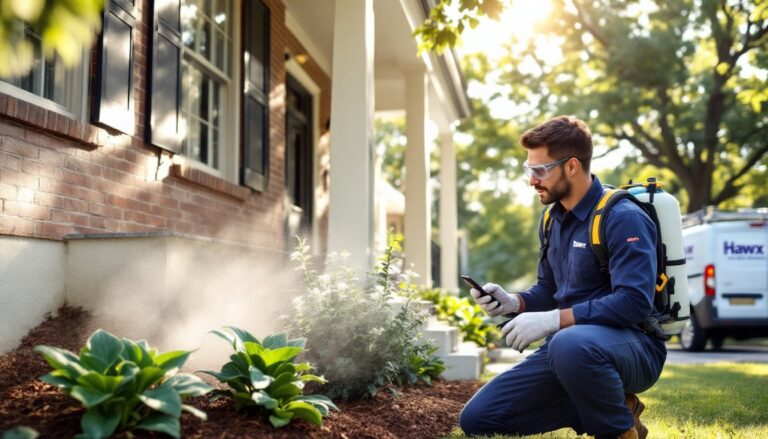
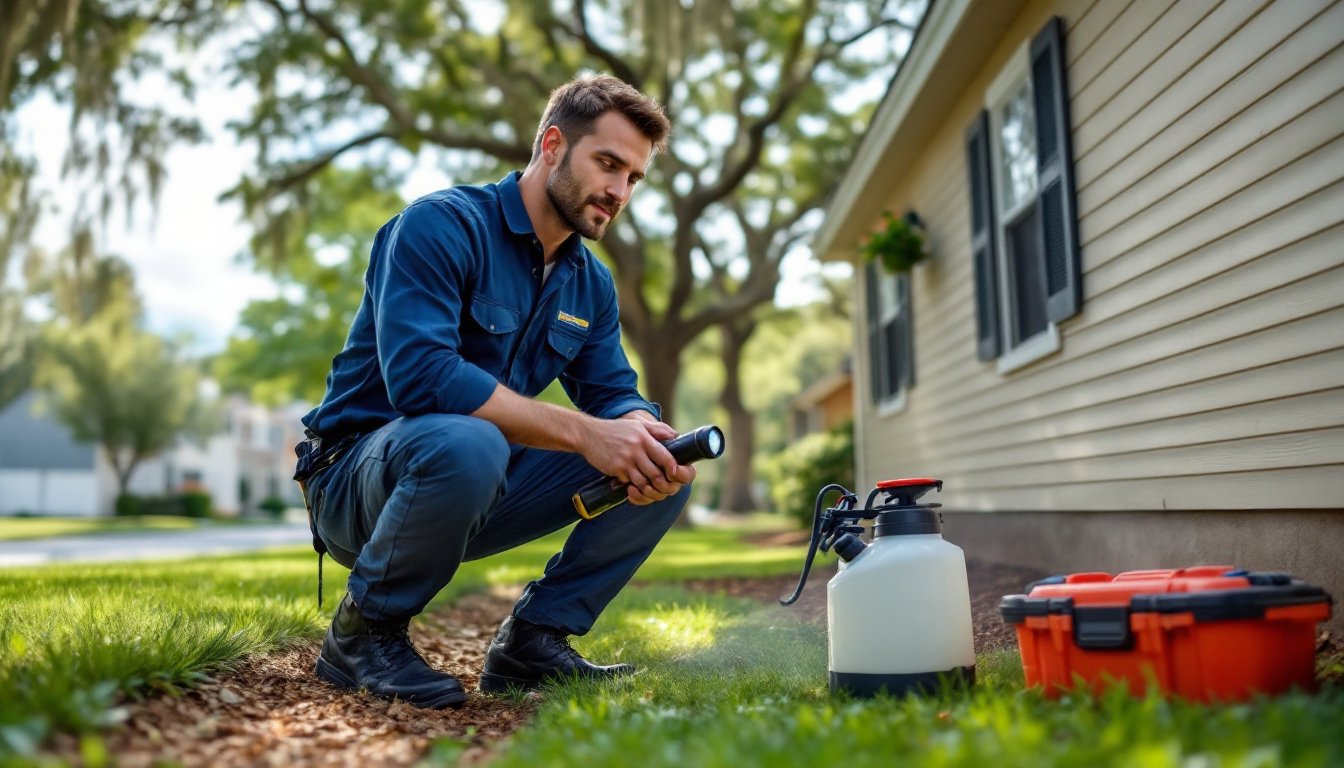
Granular and Liquid Treatments: For fire ants, apply bifenthrin granules (follow label rates, usually 2-4 lbs per 1,000 sq ft) around mounds and perimeter zones. Water in after application. For perimeter treatments against roaches and spiders, mix a liquid insecticide like permethrin or cypermethrin in a pump sprayer and apply a 3-foot band around the foundation, paying attention to door thresholds and window frames. Reapply every 3 months or after heavy rain.
Baits and Traps: Snap traps work for mice when baited with peanut butter and placed perpendicular to walls. For ants, gel baits with fipronil or borax are effective, place small dots near trails, not on them. Avoid spraying over bait stations: it repels ants before they carry the bait back to the colony.
Safety First: Wear nitrile gloves when handling pesticides and safety goggles when spraying overhead. Store chemicals in locked cabinets away from children and pets. Always read and follow label instructions, they’re legally binding and protect you from misapplication.
Natural and Eco-Friendly Pest Prevention Methods
Homeowners preferring low-impact pest control methods can achieve solid results with non-toxic approaches.
Diatomaceous Earth (DE): Food-grade DE is a silica powder that damages insect exoskeletons, causing dehydration. Dust it in cracks, behind appliances, and in crawl spaces. Wear a dust mask during application, DE is non-toxic but irritates lungs. Reapply after rain or cleaning.
Essential Oils and Repellents: Peppermint oil deters mice and spiders. Mix 10-15 drops with water in a spray bottle and apply around entry points. Cedarwood oil repels moths and roaches. These aren’t eliminators, they’re deterrents best used with exclusion methods.
Biological Controls: Beneficial nematodes kill grubs and soil-dwelling pests in lawns. Apply with a hose-end sprayer in early morning or evening to keep them from drying out. Bacillus thuringiensis (Bt) targets mosquito larvae in standing water without harming fish or birds.
Cultural Practices: Trim shrubs and tree branches at least 18 inches away from the house to eliminate pest highways. Remove mulch within 6 inches of the foundation, termites and ants nest in damp organic material. Fix leaky outdoor faucets and ensure downspouts drain at least 5 feet from the foundation.
Natural methods require patience and consistency. They work best as preventive measures rather than knockdown treatments for active infestations.
When to Call a Professional Pest Control Service
Some pest problems exceed DIY capabilities. Knowing when to bring in a licensed professional saves time, money, and structural damage.
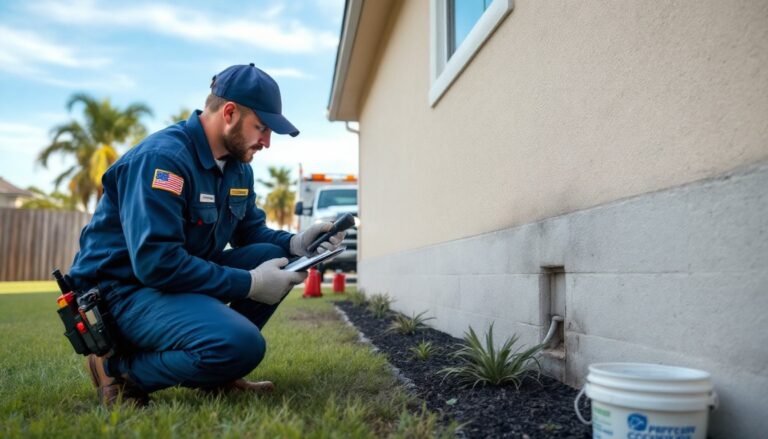
Termites: Active infestations require professional treatment. Liquid termiticides like fipronil or imidacloprid must be trenched around the foundation and injected under slabs, a job requiring specialized equipment and licensing. Bait systems like Sentricon need trained technicians to install and monitor. Georgia law requires a Wood Infestation Report (WIR) for most real estate transactions, performed only by licensed inspectors.
Large Rodent Populations: If traps catch more than two mice per week, or you’re hearing activity in multiple rooms, the infestation likely exceeds what DIY trapping can handle. Professionals use tracking powder in wall voids and attics to reach hidden nests. They also identify and seal structural gaps you might miss.
Stinging Insects: Wasps, hornets, and yellow jackets nesting in walls or eaves require caution. Professionals use protective equipment and specialized treatments to remove nests safely. Disturbing a nest without proper gear sends dozens of aggressive insects after you. Bee removal, especially for honeybees, should involve a beekeeper who can relocate the colony.
Bed Bugs: These require heat treatments or professional-grade pesticides. DIY methods rarely reach eggs hidden in baseboards and furniture seams. Professionals use steamers reaching 160°F and residual insecticides in a coordinated treatment plan.
Structural Pests: Carpenter ants, powder post beetles, and wood-boring insects demand professional assessment. They may indicate moisture problems or wood decay that requires carpentry repairs beyond pest control.
According to platforms like HomeAdvisor, pest control costs in Griffin typically range from $100 to $300 per treatment, with annual contracts offering better value for ongoing protection. Termite treatments run $1,200 to $2,500 depending on home size and treatment type. Always get multiple quotes and verify the company holds a Georgia Structural Pest Control license.
Year-Round Pest Prevention Tips for Your Griffin Home
Consistent maintenance beats reactive treatments. A seasonal approach keeps pests from gaining footholds.
Spring (March-May): Inspect foundation and crawl spaces for termite activity after winter rains. Clean gutters and downspouts to eliminate mosquito breeding sites. Seal cracks in driveways and sidewalks where ants nest. Apply pre-emergent treatments to lawns if fire ants were a problem the previous year.
Summer (June-August): Trim vegetation away from the house, shrubs touching siding give ants and spiders direct access. Check window screens for tears. Empty and scrub bird baths weekly. Inspect attic vents for wasp nests before they grow large. Keep firewood stacked at least 20 feet from the house on a raised rack.
Fall (September-November): Seal gaps around utility penetrations before rodents seek winter shelter. Inspect weather stripping on doors and garage doors. Store seasonal decorations in sealed plastic bins, not cardboard, mice nest in cardboard. Clean up leaf litter and mulch piles where pests overwinter.
Winter (December-February): Monitor for signs of rodent activity in attics and basements, they’re most active when outdoor food sources disappear. Check for water leaks under sinks and around water heaters: moisture attracts overwintering pests. Inspect stored pantry goods for signs of Indian meal moths or weevils.
Year-Round Habits: Store pet food in airtight metal or heavy plastic containers. Take trash out nightly and use bins with tight lids. Fix plumbing leaks immediately, most pests need water more than food. Vacuum weekly to remove crumbs and insect eggs. Reduce clutter in basements and garages where pests hide.
Effective integrated pest management combines sanitation, exclusion, and targeted treatments. Homes maintained this way rarely face major infestations.
Conclusion
Pest control in Griffin isn’t a one-time project, it’s an ongoing system of inspection, exclusion, and targeted action. Whether handling problems yourself or bringing in a licensed professional, early intervention protects structural integrity and keeps living spaces safe. Start with the basics: seal gaps, eliminate moisture, and stay ahead of seasonal pest cycles.