
Table of Contents
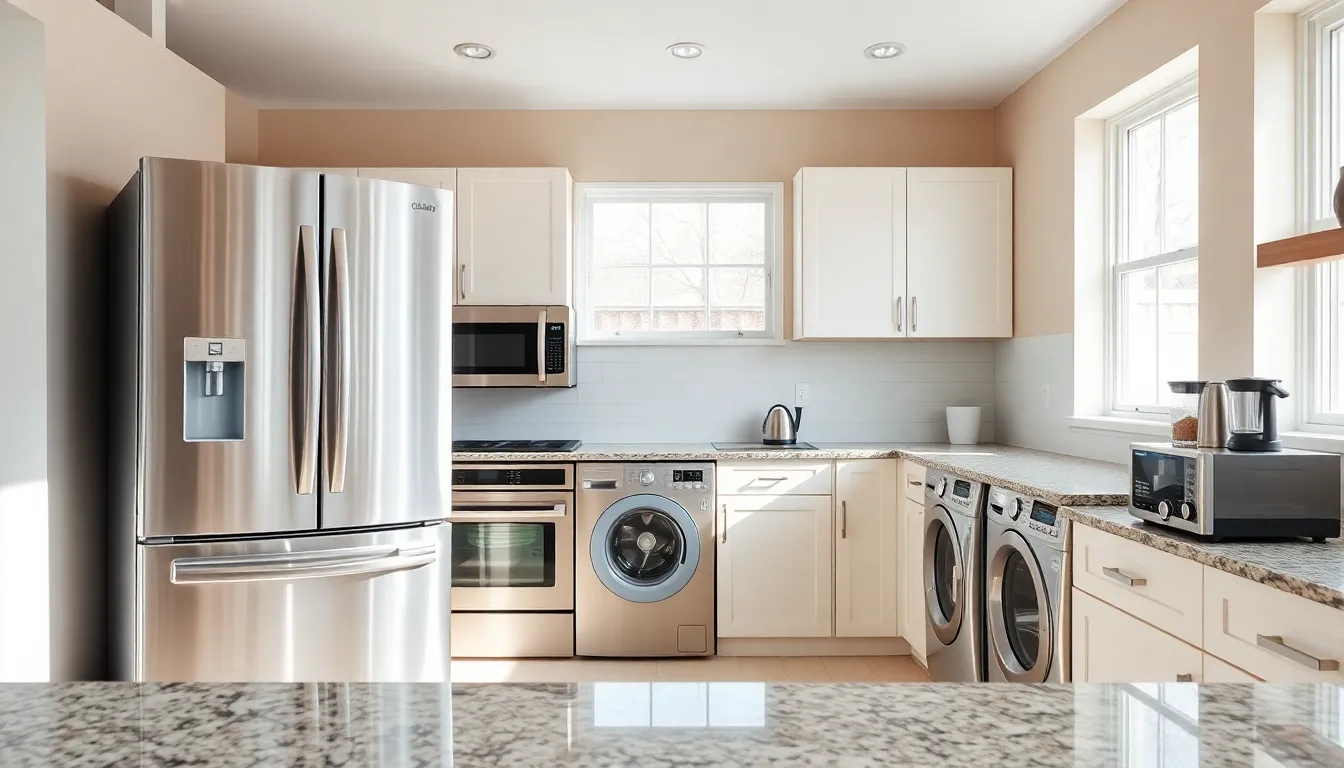
ToggleA home appliances guide helps shoppers make smarter decisions about the machines that power daily life. From refrigerators to washing machines, these devices save time, reduce effort, and improve comfort. But choosing the right appliances, and keeping them running well, requires some knowledge. This guide covers essential kitchen and laundry appliances, how to pick the best ones for specific needs, and practical tips to extend their lifespan. Whether someone is furnishing a first apartment or upgrading an existing setup, this home appliances guide provides the information needed to make confident choices.
Key Takeaways
- A comprehensive home appliances guide helps you choose the right refrigerators, washing machines, and other essential devices for your specific needs and space.
- Energy Star-certified appliances reduce utility bills and environmental impact—always check the EnergyGuide label before purchasing.
- Front-load washers use less water and detergent than top-load models, while heat pump dryers offer the best long-term energy efficiency.
- Measure your installation space carefully, including door clearance and ventilation requirements, before buying any major appliance.
- Regular maintenance—such as cleaning refrigerator coils, replacing filters, and clearing dryer vents—extends appliance lifespan and prevents costly repairs.
- Read customer reviews from multiple sources to learn about real-world reliability, noise levels, and performance before making your final decision.
Essential Kitchen Appliances for Every Home
The kitchen serves as the heart of most homes, and the right appliances make cooking easier and more enjoyable. Here are the must-have kitchen appliances every household should consider.
Refrigerator
A refrigerator tops the list of essential home appliances. It keeps food fresh, prevents waste, and stores beverages at the perfect temperature. Modern refrigerators come in several styles: top-freezer, bottom-freezer, side-by-side, and French door. Energy-efficient models with Energy Star certification help reduce electricity bills while protecting the environment.
Stove or Range
A stove or range provides the primary cooking surface for most meals. Gas ranges offer precise temperature control, while electric models heat evenly and are easier to clean. Induction cooktops represent a newer option, they heat quickly and stay cool to the touch, making them safer for families with children.
Microwave Oven
Microwaves reheat leftovers, defrost frozen foods, and cook quick meals in minutes. Countertop models work well for smaller spaces, while over-the-range microwaves save counter space and include ventilation systems. Some home appliances guide recommendations suggest looking for models with sensor cooking technology for better results.
Dishwasher
A dishwasher saves hours of manual scrubbing each week. Modern dishwashers use less water than hand washing and sanitize dishes at high temperatures. Features like adjustable racks, quiet operation, and multiple wash cycles add convenience.
Small Appliances
Don’t overlook smaller kitchen appliances. A good coffee maker, toaster, and blender round out a functional kitchen. These home appliances handle everyday tasks and take up minimal space.
Must-Have Laundry and Cleaning Appliances
Beyond the kitchen, laundry and cleaning appliances keep homes fresh and tidy. These machines handle labor-intensive chores with minimal effort.
Washing Machine
A washing machine ranks among the most important home appliances for any household. Top-load washers cost less upfront and allow users to add forgotten items mid-cycle. Front-load washers use less water and detergent while spinning clothes faster, which reduces drying time. High-efficiency (HE) models work best with HE detergent to prevent excess suds.
Clothes Dryer
A clothes dryer pairs with the washing machine to complete the laundry process. Electric dryers are common and easier to install, while gas dryers cost more initially but operate more efficiently over time. Heat pump dryers represent the most energy-efficient option, though they have higher purchase prices. Any reliable home appliances guide will mention that proper venting prevents fire hazards and improves performance.
Vacuum Cleaner
Vacuum cleaners remove dirt, dust, and allergens from floors and carpets. Upright vacuums provide strong suction for deep cleaning. Canister vacuums offer versatility for stairs and upholstery. Robot vacuums automate the process entirely, they clean on a schedule and return to their charging stations automatically.
Steam Mop
For hard floors, a steam mop sanitizes without chemicals. It heats water to produce steam that kills bacteria and loosens grime. This type of cleaning appliance works well on tile, laminate, and sealed hardwood floors.
How to Choose the Right Home Appliances
Selecting home appliances involves more than picking the cheapest or most expensive option. Several factors determine which appliances fit best.
Assess Your Needs
Start by listing what matters most. A large family needs a bigger refrigerator and washing machine. A single person living in a studio apartment might prioritize compact appliances. Consider cooking habits, laundry frequency, and available space before shopping.
Set a Realistic Budget
Home appliances range from budget-friendly to premium-priced. Determine a spending limit before browsing. Remember that cheaper models may cost more long-term through higher energy bills and shorter lifespans. Mid-range appliances often provide the best balance of quality and value.
Check Energy Efficiency
Energy-efficient home appliances reduce utility costs and environmental impact. Look for the Energy Star label on refrigerators, dishwashers, washing machines, and dryers. The EnergyGuide label shows estimated yearly operating costs, making comparison easier.
Read Reviews and Ratings
Customer reviews reveal real-world performance that specifications don’t show. Check multiple sources for consistent feedback. Pay attention to comments about reliability, noise levels, and customer service experiences.
Measure Your Space
Always measure the installation space before purchasing any home appliances. Account for door clearance, ventilation requirements, and access for delivery. A beautiful refrigerator means nothing if it doesn’t fit through the doorway.
Tips for Maintaining Your Home Appliances
Proper maintenance extends appliance life and prevents costly repairs. These simple habits keep home appliances running smoothly.
Clean Regularly
Regular cleaning prevents buildup that damages components. Wipe refrigerator seals monthly to maintain a tight seal. Clean dishwasher filters and spray arms to ensure proper water flow. Empty vacuum cleaner bags or canisters when they reach capacity. A well-maintained home appliances collection performs better and lasts longer.
Follow Manufacturer Guidelines
Every appliance comes with a user manual containing specific care instructions. These guidelines exist for good reasons. Using the wrong detergent, overloading machines, or skipping recommended maintenance voids warranties and causes premature failure.
Replace Filters and Parts
Many home appliances have filters that require periodic replacement. Refrigerator water filters, dryer lint traps, and vacuum filters all need attention. Replacing these parts on schedule maintains performance and prevents bigger problems.
Address Issues Promptly
Strange noises, leaks, or performance drops signal potential problems. Ignoring these signs leads to larger, more expensive repairs. Schedule professional service when something seems wrong. Early intervention often saves money.
Keep Coils and Vents Clear
Refrigerator condenser coils collect dust over time. Dirty coils force the compressor to work harder, increasing energy use and shortening lifespan. Clean these coils twice a year. Similarly, keep dryer vents clear to prevent fire hazards and improve efficiency.


