
Table of Contents
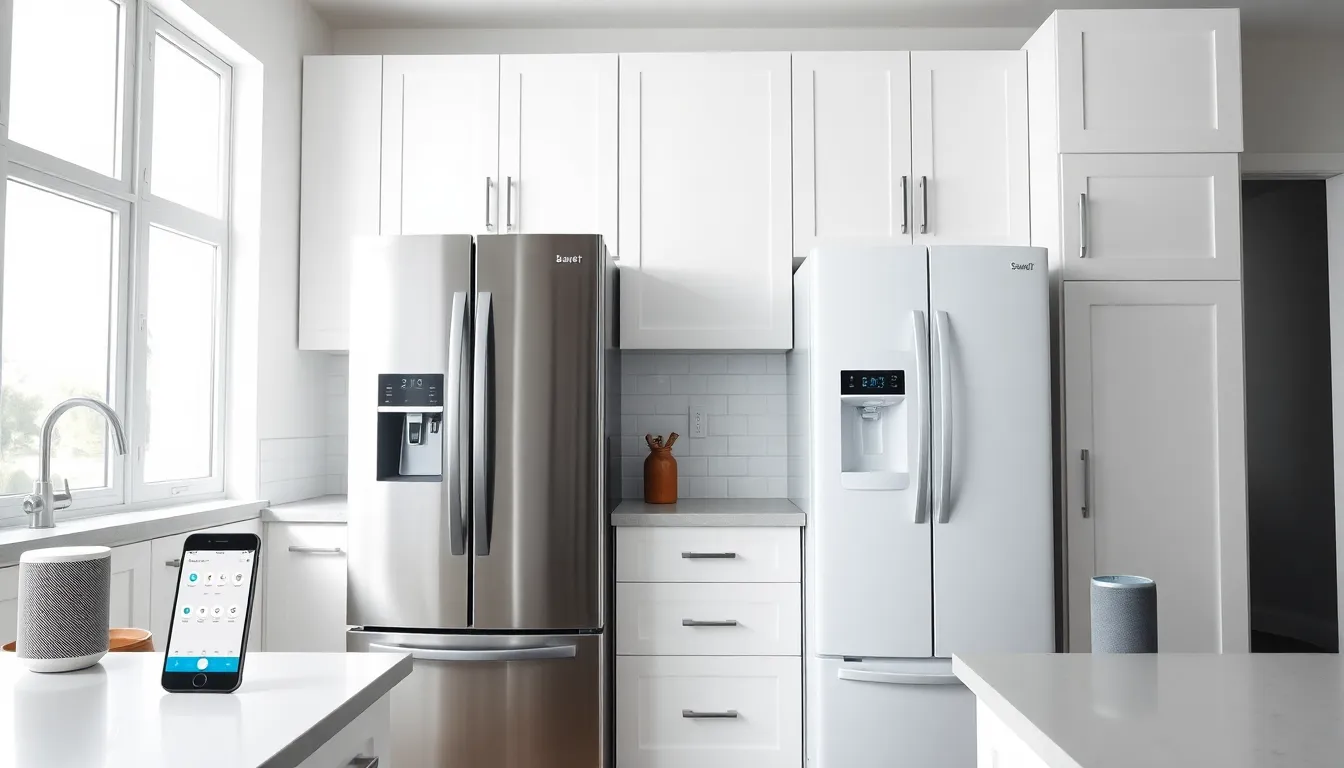
ToggleThe debate between home appliances vs smart home appliances grows louder every year. Traditional machines have served households reliably for decades. Smart devices promise convenience, automation, and connectivity. But which option actually fits your needs? This guide breaks down the key differences, costs, and benefits of both types. By the end, you’ll know exactly which direction makes sense for your home and budget.
Key Takeaways
- Traditional home appliances offer simplicity, reliability, and lower upfront costs, often lasting 10 to 15 years with minimal maintenance.
- Smart home appliances provide remote control, voice commands, and energy optimization but depend on stable Wi-Fi and cost 50% to 100% more upfront.
- The home appliances vs smart home appliances cost comparison should include long-term savings—smart devices can reduce utility bills by 10% to 15% annually.
- Smart appliances excel in energy efficiency through sensors that minimize waste, while traditional models offer easier recycling at end-of-life.
- Your ideal choice depends on tech comfort, home infrastructure, budget, and household needs rather than assuming one category is universally better.
Understanding Traditional Home Appliances
Traditional home appliances include refrigerators, washing machines, ovens, and dishwashers that operate without internet connectivity. These devices perform their core functions through manual controls and mechanical systems.
The appeal of traditional home appliances lies in their simplicity. Users press a button or turn a dial, and the machine does its job. There’s no app to download, no Wi-Fi password to enter, and no software updates to install. A standard refrigerator keeps food cold. A basic washing machine cleans clothes. That’s it.
Reliability is another strong point. Traditional home appliances often last 10 to 15 years with proper maintenance. Fewer electronic components mean fewer potential failure points. When something breaks, repairs tend to be straightforward and affordable.
But, traditional home appliances lack flexibility. Users can’t adjust settings remotely or receive alerts about potential problems. They also miss out on energy optimization features that newer models offer. For some households, this trade-off is perfectly acceptable. For others, it feels limiting.
What Makes Smart Home Appliances Different
Smart home appliances connect to the internet and integrate with home automation systems. They offer remote control, voice commands, and real-time monitoring through smartphone apps.
Consider a smart refrigerator. It can track expiration dates, suggest recipes based on available ingredients, and send alerts when the door stays open too long. A smart washing machine lets users start cycles from their phone, adjust settings mid-wash, and receive notifications when laundry is done.
The home appliances vs smart home appliances comparison really shows differences in daily convenience. Smart devices learn usage patterns over time. A smart thermostat adjusts heating schedules based on when residents typically arrive home. A smart oven preheats itself before the user walks through the door.
Integration matters too. Smart home appliances work together through platforms like Google Home, Amazon Alexa, or Apple HomeKit. One voice command can dim lights, lock doors, and start the robot vacuum simultaneously.
The downside? Smart home appliances depend on stable internet connections. If the Wi-Fi goes down, some features become unavailable. Privacy concerns also exist since these devices collect and transmit data about household habits.
Cost Comparison and Long-Term Value
Price differences between home appliances vs smart home appliances can be significant. A basic dishwasher might cost $400 to $600. A smart dishwasher with app connectivity and advanced sensors often runs $800 to $1,200 or more.
Initial purchase price tells only part of the story. Smart home appliances may reduce utility bills through optimized energy use. A smart washer that detects load size and adjusts water accordingly saves money over thousands of cycles. Smart thermostats can cut heating and cooling costs by 10% to 15% annually.
Repair costs present another consideration. Traditional home appliances use standardized parts that technicians stock readily. Smart home appliances sometimes require specialized service or proprietary components that cost more.
Depreciation works differently for each category. Traditional appliances hold functional value as long as they work. Smart appliances may feel outdated when manufacturers stop supporting their software or when newer connectivity standards emerge.
The best value depends on usage patterns. Heavy users who benefit from automation features often recoup the higher upfront cost. Light users may find traditional home appliances deliver better return on investment.
Energy Efficiency and Environmental Impact
Modern smart home appliances generally outperform traditional models in energy efficiency. They use sensors and algorithms to minimize waste.
A smart dryer measures moisture levels throughout the cycle and stops automatically when clothes reach optimal dryness. Traditional dryers run for preset times regardless of actual conditions. This difference adds up over hundreds of loads per year.
The home appliances vs smart home appliances debate gets interesting with environmental impact. Smart devices help reduce resource consumption during use. But, their complex electronics create challenges at end-of-life. Circuit boards and connectivity modules require specialized recycling.
Traditional home appliances contain simpler materials that recycling facilities handle more easily. Their longer average lifespan also means fewer units enter landfills over time.
Energy Star ratings provide useful guidance for both categories. Many traditional home appliances now meet high efficiency standards without smart features. Buyers concerned about environmental impact should compare specific models rather than assuming smart equals green.
Some utility companies offer rebates for smart home appliances that participate in demand response programs. These devices reduce power usage during peak grid hours, benefiting both the owner and the broader electrical system.
Choosing the Best Option for Your Lifestyle
The right choice between home appliances vs smart home appliances depends on individual circumstances. Several factors help clarify the decision.
Tech comfort level matters. Households comfortable with apps, voice assistants, and connected devices will enjoy smart features. Those who prefer straightforward operation will find traditional home appliances less frustrating.
Home infrastructure plays a role. Smart home appliances need reliable Wi-Fi coverage throughout the house. Older homes with thick walls or dead zones may struggle to support connected devices effectively.
Budget constraints shape options. Tight budgets favor traditional home appliances that deliver core functionality at lower prices. Flexible budgets allow exploration of smart features that improve daily convenience.
Future plans influence decisions. Homeowners planning to sell soon might attract buyers with installed smart home appliances. Renters may prefer portable traditional appliances they can take to the next place.
Household composition affects needs. Families with varied schedules benefit from remote monitoring and control. Single-person households may not need features designed for coordination among multiple users.
There’s no universal answer. The best approach examines specific needs against specific products rather than choosing a category blindly.


