Table of Contents
ToggleWhen bugs, rodents, or other unwanted critters invade your home, understanding how pest control actually works can save you money and frustration. Professional pest control isn’t magic, it’s a systematic process combining inspection, targeted treatments, and ongoing prevention. Whether you’re dealing with ants trailing across your kitchen counter, termites threatening your home’s structure, or mice nesting in the walls, knowing what to expect from pest control services helps you make smarter decisions about protecting your property.
Key Takeaways
- Professional pest control uses Integrated Pest Management (IPM), combining inspection, targeted treatments, and prevention rather than blanket pesticide application to eliminate pests safely and effectively.
- A thorough inspection is the foundation of pest control—technicians examine interior and exterior areas, identify entry points and conducive conditions, and provide a written report before any treatment begins.
- How pest control works depends on the method: contact sprays kill pests within hours, baits take 3-14 days as they eliminate colonies, and treatments like termite barriers can protect your home for 5-10 years.
- Non-chemical approaches including physical exclusion, heat treatment, and habitat modification offer eco-friendly alternatives that are increasingly popular for homeowners with pets, children, or chemical sensitivities.
- Long-term pest control success requires quarterly maintenance visits and consistent preventive practices between treatments, such as sealing entry points, maintaining sanitation, and fixing leaks within 48 hours.
- Setting realistic expectations about pest control timelines prevents frustration—results vary from hours for contact sprays to weeks for rodent control and months for termite elimination depending on infestation severity.
Understanding the Basics of Professional Pest Control
Professional pest control operates on a principle called Integrated Pest Management (IPM), which combines multiple strategies to eliminate pests while minimizing risks to people, pets, and the environment. Rather than simply spraying chemicals everywhere, IPM uses biological control methods alongside targeted applications.
The approach starts with identification. Different pests require different treatments, what works for carpenter ants won’t necessarily work for bed bugs. Technicians assess the pest species, the extent of the infestation, and contributing factors like moisture problems, entry points, or food sources.
Most professional services use a combination of monitoring, exclusion, sanitation guidance, and targeted treatments. The goal isn’t just to kill visible pests but to disrupt their breeding cycles and prevent future invasions. This is fundamentally different from the old-school approach of blanket pesticide application.
Pest control companies typically offer one-time treatments for specific issues or ongoing service contracts with quarterly or monthly visits. The right choice depends on your situation, active infestations usually need immediate intervention followed by monitoring, while preventive maintenance works best as ongoing protection.
The Pest Control Inspection Process
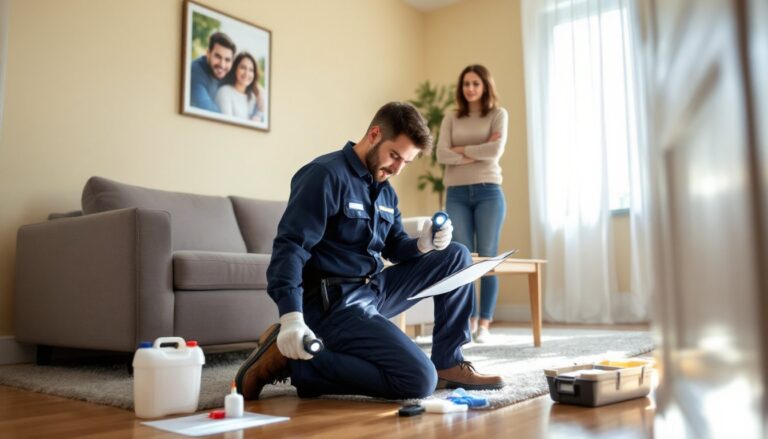
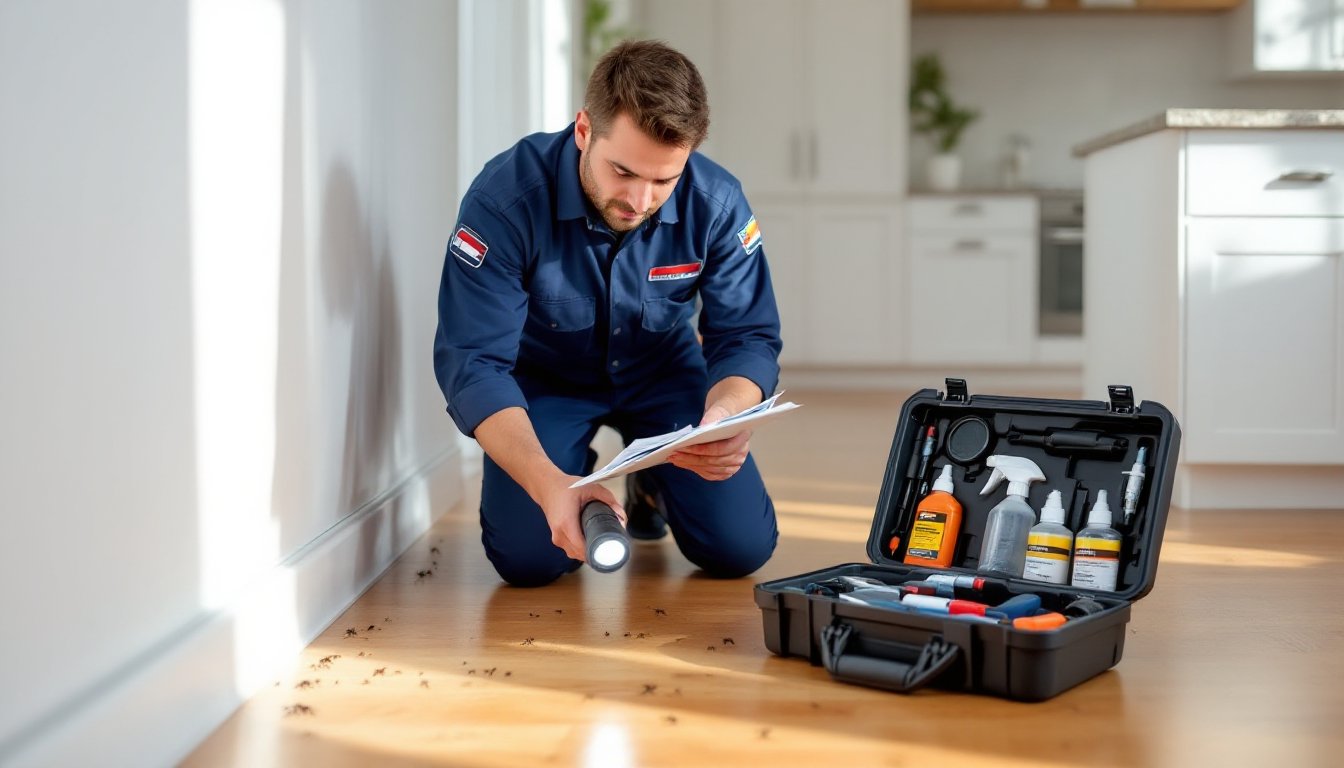
Every professional pest control service should start with a thorough inspection, not a treatment truck showing up and spraying. This inspection typically takes 30 to 60 minutes for an average home, though complex properties or severe infestations take longer.
Technicians examine both interior and exterior areas, looking for:
- Active pest signs: droppings, shed skins, live insects, gnaw marks, or nests
- Entry points: gaps around pipes, damaged weather stripping, foundation cracks, torn screens
- Conducive conditions: standing water, wood-to-soil contact, clutter providing harborage
- Structural vulnerabilities: damaged wood, moisture problems, inadequate ventilation
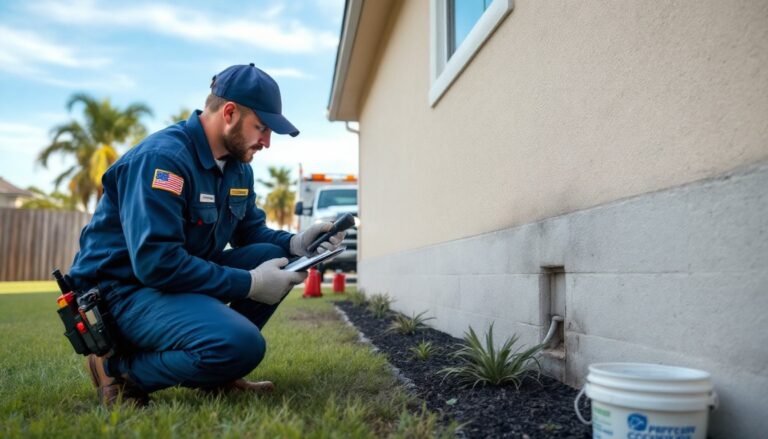
Crawl spaces, attics, basements, and wall voids get special attention since pests often establish colonies in these hidden areas. Exterior inspections cover the foundation perimeter, eaves, vents, utility penetrations, and landscaping within 3 feet of the foundation where pests commonly travel.
The technician should explain findings in plain language and provide a written report detailing the pest species, infestation severity, recommended treatments, and any necessary repairs. If they’re proposing treatment without explaining what they found and why specific methods are needed, that’s a red flag. Reputable companies on platforms like Angi emphasize transparent inspections as part of their service standard.
For termites or other wood-destroying organisms, inspections may include moisture meters, thermal imaging, or sounding (tapping wood to detect hollow areas). These specialized inspections often cost $75 to $150 separately but may be included when bundled with treatment.
Common Pest Control Treatment Methods
Pest control treatments fall into two broad categories, each with specific applications depending on the target pest and situation.
Chemical Treatments and Pesticides
Chemical pest control remains the most common approach for severe infestations. Modern pesticides are significantly more targeted and safer than older formulations, but they still require proper application and safety precautions.
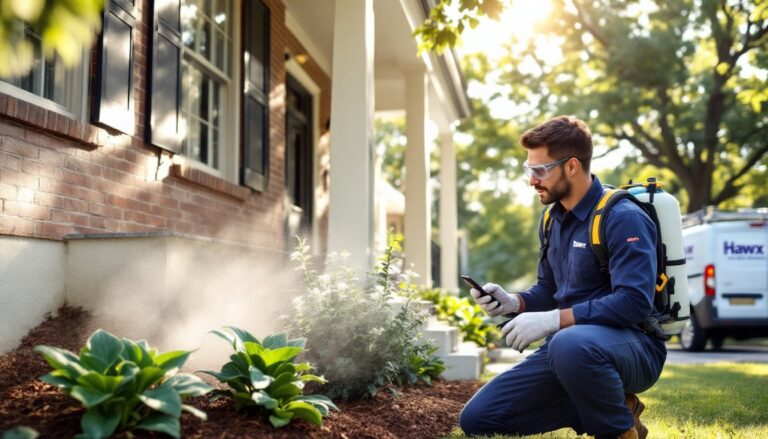
Liquid treatments involve applying pesticides mixed with water to create a barrier around the home’s perimeter, in wall voids, or directly on pest harborages. Technicians use tank sprayers to apply measured amounts, typically 1 to 2 gallons per 1,000 square feet for perimeter treatments. Common active ingredients include pyrethroids, which affect insect nervous systems but break down quickly in sunlight.
Baits work by attracting pests to consume a slow-acting poison they carry back to their colony. Gel baits work well for ants and cockroaches, while rodent bait stations use anticoagulants in tamper-resistant containers. Baits take longer than contact sprays but eliminate entire colonies rather than just visible pests.
Dust formulations like diatomaceous earth or silica gel get applied in wall voids, attics, and other dry areas. These desiccants physically damage insect exoskeletons, causing dehydration. They remain effective for months or years as long as they stay dry.
Fumigation is the nuclear option, sealing a structure under tarps and introducing gas that penetrates all spaces. This method is primarily used for drywood termites or severe bed bug infestations. It requires vacating the property for 24 to 72 hours and costs significantly more than other treatments.
All pesticide applications in commercial settings must follow EPA registration guidelines and state regulations. Technicians need appropriate licensing, and they should provide Safety Data Sheets (SDS) upon request. Always ask about re-entry times, how long before people and pets can safely return to treated areas.
Non-Chemical and Eco-Friendly Approaches
Non-chemical methods are gaining popularity among homeowners concerned about pesticide exposure, especially those with children, pets, or chemical sensitivities. Many effective control techniques don’t involve any synthetic chemicals.
Physical exclusion means sealing entry points with materials pests can’t penetrate. This includes:
- Installing door sweeps with 1/4-inch or smaller gaps
- Sealing pipe penetrations with copper mesh and expanding foam
- Repairing damaged foundation vents with 1/8-inch hardware cloth
- Caulking gaps around windows and siding
Exclusion work often overlaps with general home maintenance but makes an enormous difference in preventing pest entry. Mice can squeeze through openings as small as 1/4 inch, so thorough sealing is essential.
Heat treatment kills bed bugs, termites, and other pests by raising room temperatures to 120-140°F for several hours. Specialized equipment heats the space while technicians monitor temperatures with sensors. This method leaves no chemical residue but requires removing heat-sensitive items and costs more than chemical treatments.
Mechanical traps range from simple snap traps for mice to sophisticated pheromone traps for moths. Placement matters more than trap type, set rodent traps perpendicular to walls where droppings indicate travel routes.
Natural repellents and deterrents include essential oils, diatomaceous earth, and botanical insecticides derived from chrysanthemums (pyrethrins). These work for minor problems but rarely provide the knockdown power needed for established infestations. Following proven pest control tips often combines several non-chemical methods for better results.
Habitat modification addresses the conditions attracting pests. This means fixing leaky pipes that provide water sources, storing firewood 20 feet from the house, trimming vegetation away from siding, and eliminating standing water where mosquitoes breed.
How Long Does Pest Control Take to Work?
The timeline for seeing results varies dramatically depending on the pest, treatment method, and infestation severity. Managing expectations upfront prevents frustration.
Contact sprays work fastest, you’ll see dead insects within hours as the pesticide directly impacts their nervous systems. But, this only kills pests that contact treated surfaces, not hidden colonies.
Baits take 3 to 14 days as worker insects carry poison back to nests. Ant colonies may show increased activity initially as foragers search for food before the population crashes. Patience is critical, interrupting bait treatments with sprays often makes infestations worse.
Rodent control typically shows results within 1 to 2 weeks if traps are properly placed and all entry points are sealed. But, eliminating an established mouse population in a home with multiple entry points can take 4 to 6 weeks of persistent trapping.
Termite treatments using liquid termiticides create a barrier that protects for 5 to 10 years, but killing an active colony takes 3 to 6 months. Bait systems may take even longer but provide ongoing monitoring.
Bed bug treatments often require 2 to 3 applications spaced 10 to 14 days apart to catch newly hatched nymphs. Heat treatments can eliminate infestations in a single day but cost significantly more.
Weather affects treatment speed. Rain within 24 hours of perimeter treatments can reduce effectiveness. Cold temperatures slow insect metabolism, making them less likely to contact treated surfaces or consume baits.
Most professional services include a 30 to 90-day warranty requiring callbacks if pests return during that window. According to Today’s Homeowner, homeowners should document any continued activity and contact their service provider rather than attempting additional DIY treatments that might interfere with professional applications.
Maintaining Results: Follow-Up and Prevention
The difference between temporary relief and long-term pest freedom comes down to follow-up and prevention. One-time treatments rarely provide permanent solutions.
Most pest control companies recommend quarterly service visits for general pest prevention. These maintenance visits include:
- Exterior perimeter treatments reapplied every 90 days
- Interior spot treatments as needed
- Inspection for new pest activity or entry points
- Web and wasp nest removal
- Updated recommendations based on seasonal pest pressure
Quarterly contracts typically cost $100 to $300 per visit depending on property size and location, less than paying for emergency treatments when infestations reoccur.
Between professional visits, homeowners should maintain sanitation and exclusion practices. This includes:
- Storing food in sealed containers, not original packaging
- Taking garbage out daily and keeping bins away from the house
- Fixing plumbing leaks within 48 hours, moisture attracts pests faster than almost anything
- Inspecting packages and secondhand furniture before bringing them inside
- Maintaining gutters and downspouts to direct water away from the foundation
Documentation helps track patterns. Note when and where you see pests, what they’re doing, and environmental conditions. This information helps technicians target treatments more effectively. For property owners wanting to understand the broader context, learning what pest control involves provides useful background.
Some situations need specialized ongoing monitoring. Termite bait stations require quarterly inspections to check for activity and refresh bait. Rodent control in rural or high-pressure areas may need monthly trap checks rather than quarterly visits.
Be realistic about prevention limits. Even the best pest control can’t create a pest-proof bubble, especially in areas with high pest pressure. The goal is keeping populations below nuisance thresholds, not achieving zero insects forever. Understanding various effective methods available helps homeowners set realistic expectations and choose appropriate strategies for their situations.