Table of Contents
ToggleMillipedes aren’t dangerous, but finding dozens of them curled up in your basement or crawling across your bathroom floor is unsettling. These slow-moving arthropods invade homes in search of moisture and shelter, especially during heavy rains or dry spells. Unlike centipedes, millipedes don’t bite, but their sheer numbers and tendency to release a foul-smelling defensive fluid make them unwelcome houseguests. The good news? Keeping millipedes out involves straightforward barriers, moisture control, and a bit of yard maintenance, no exotic chemicals or expensive treatments required.
Key Takeaways
- Millipedes invade homes seeking moisture and shelter, especially during heavy rain or dry spells, so reducing exterior moisture around foundations is critical for millipede pest control.
- Seal cracks as small as 1/16 inch and install door sweeps, caulk utility penetrations, and cover window wells to block entry points before an infestation occurs.
- Manage mulch, gutters, and soil drainage by keeping mulch 12 inches from foundations, cleaning gutters twice yearly, and ensuring downspouts extend at least 6 feet away from the house.
- Remove live millipedes with a vacuum, use food-grade diatomaceous earth or cedar oil spray for light infestations, and consider chemical perimeter treatments or professional pest control for severe cases.
- Mass outdoor gatherings of millipedes after rain signal an imminent invasion, making it the ideal time to inspect and seal entry points before they breach your home.
What Are Millipedes and Why Do They Invade Homes?
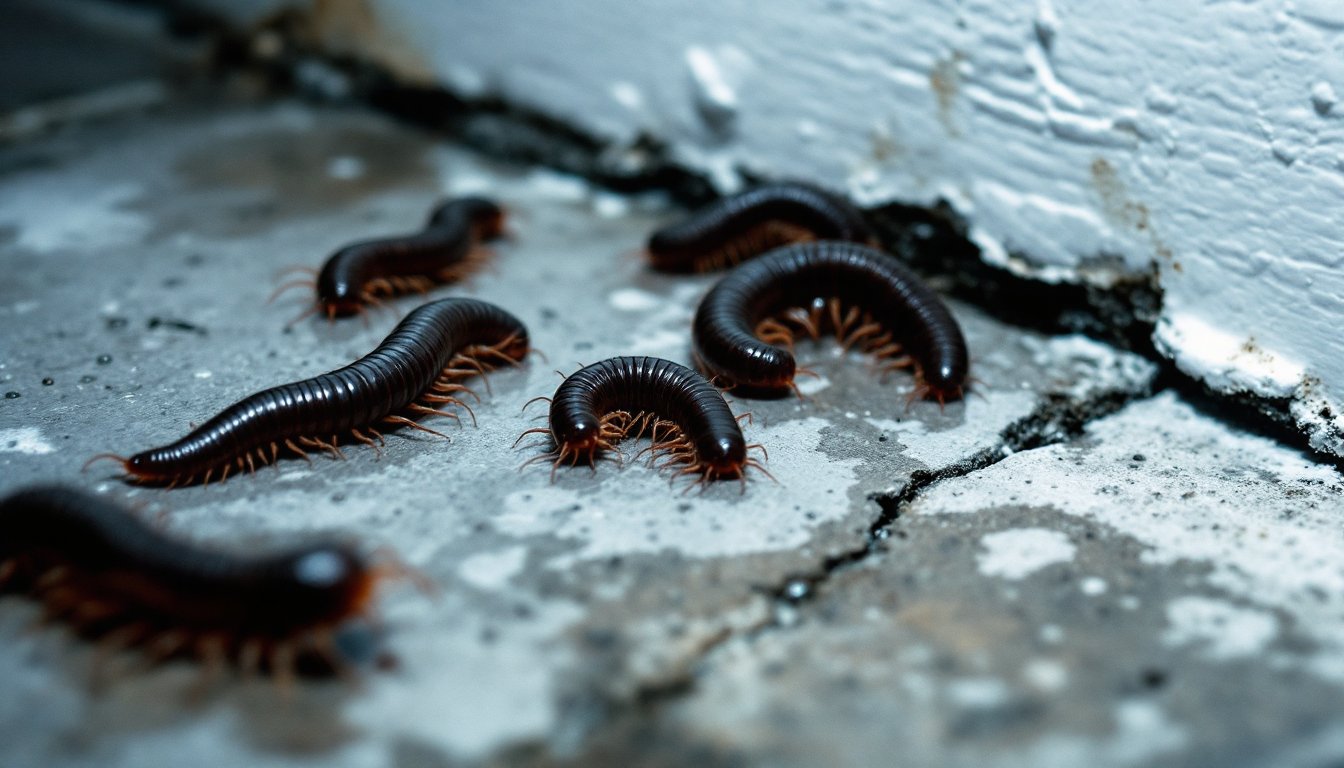
Millipedes are worm-like arthropods with segmented bodies. Even though their name, “millipede” means “thousand feet”, most species have between 30 and 400 legs, with two pairs per body segment. They’re typically dark brown or black, though some species show reddish or spotted patterns. Adults range from 1/2 inch to 2 inches in length, depending on species.
Unlike centipedes (which are predators), millipedes feed on decaying organic matter, leaf litter, rotting wood, mulch, and fungi. They’re detritivores, meaning they help break down dead plant material outdoors. That’s beneficial in a garden bed but problematic when they migrate indoors.
Millipedes invade homes for two reasons: moisture and shelter. Heavy rain saturates soil and drives them to seek drier ground. Conversely, prolonged drought dries out their usual habitat, pushing them toward the damp areas around foundations, crawl spaces, and basements. They don’t reproduce indoors and can’t survive long without humidity, but a wet basement or leaky exterior can support them for weeks.
Most invasions happen in spring and fall, when temperature swings and rainfall trigger mass movements. You’ll often see them near foundation walls, window wells, garage floors, and door thresholds, anywhere that offers a dark, damp refuge.
Signs You Have a Millipede Problem
Millipedes don’t hide like roaches or bed bugs. If you have an infestation, you’ll see the evidence.
Live millipedes are the most obvious sign. Check basements, crawl spaces, laundry rooms, bathrooms, and garages, especially along baseboards, in corners, and near floor drains. They’re nocturnal, so you’ll spot more activity at night or early morning.
Curled-up bodies indicate dead millipedes. They curl into a tight coil when threatened or dying, and you’ll find these defensive spirals near entry points, window wells, or along foundation walls.
Foul odor is another clue. Many millipede species secrete a defensive fluid containing benzoquinones or hydrochloric acid. It smells musty or almond-like and can stain skin or surfaces. If you notice this odor near baseboards or in damp areas, millipedes are likely present.
Mass gatherings outdoors signal an imminent indoor invasion. After heavy rain, check around your foundation, under mulch, in window wells, and near downspouts. If you see clusters of millipedes moving toward the house, it’s time to act. Learning how to manage basic prevention strategies can stop them before they breach your home.
How to Prevent Millipedes from Entering Your Home
Prevention beats treatment. Millipedes enter through tiny gaps and cracks, so sealing your home’s envelope and managing exterior moisture are the two most effective defenses.
Seal Entry Points and Cracks
Millipedes squeeze through gaps as small as 1/16 inch. Walk your home’s perimeter and inspect:
- Foundation cracks: Use a polyurethane or epoxy-based masonry crack filler for gaps in poured concrete or block foundations. For cracks wider than 1/4 inch, consider hydraulic cement.
- Door sweeps and thresholds: Install or replace worn door sweeps on exterior doors, including garage doors. Use a bristle or rubber sweep with no more than a 1/8-inch gap to the floor.
- Window wells and frames: Seal gaps around basement windows with exterior-grade silicone caulk. Cover window wells with polycarbonate or metal well covers to keep millipedes out.
- Utility penetrations: Caulk around pipes, cables, dryer vents, and HVAC lines where they enter the house. Use a paintable acrylic latex caulk for small gaps and expanding foam for larger ones (trim excess foam flush after it cures).
- Weep holes and vents: Don’t seal weep holes in brick veneer, they’re required for drainage. Instead, insert stainless steel mesh vent screens to block pests without restricting airflow.
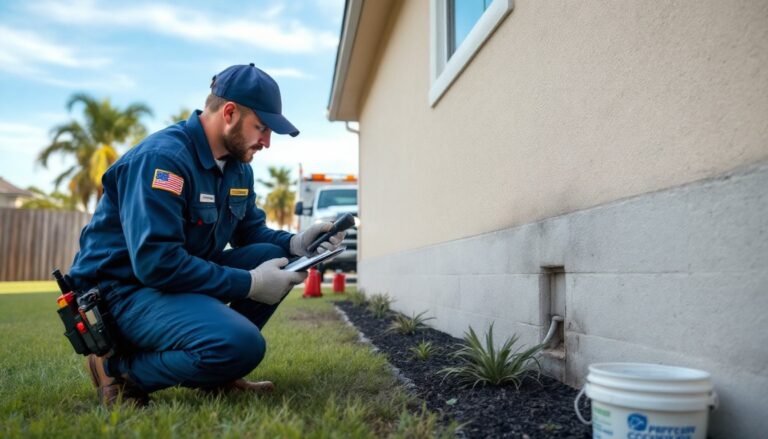
Inspect your foundation annually. Settling, freeze-thaw cycles, and soil movement open new cracks over time. Taking steps to address these entry points is a core part of broader pest control strategies for keeping arthropods out.
Reduce Moisture and Improve Drainage
Millipedes thrive in damp environments. Eliminating moisture around your home makes it inhospitable.
- Gutters and downspouts: Clean gutters twice a year (spring and fall). Ensure downspouts discharge at least 6 feet from the foundation. Use downspout extensions or underground drains if necessary.
- Grade and soil slope: Soil should slope away from the foundation at a minimum 1/4 inch per foot for the first 6 feet. Fill low spots near the foundation with compacted soil or clay to promote runoff.
- Mulch management: Keep mulch, wood chips, and leaf litter at least 12 inches away from the foundation. Millipedes congregate in thick mulch layers. Use a thin layer (2 to 3 inches) and avoid piling it against siding.
- Wood debris and ground contact: Remove firewood, landscape timbers, and scrap lumber from the ground near your home. Stack firewood on a raised rack at least 20 feet from the house.
- Crawl space and basement moisture: Install a 6-mil polyethylene vapor barrier over crawl space soil. Use a dehumidifier in basements to keep relative humidity below 50%. Fix any plumbing leaks, condensation on pipes, or HVAC drip pans.
If your property has persistent standing water or poor drainage, consider installing a French drain or a dry well to redirect groundwater away from the foundation. These projects may require a landscape contractor, but they solve long-term moisture issues that attract millipedes and other pests.
Natural Methods to Get Rid of Millipedes
If millipedes have already entered your home, several low-toxicity methods can eliminate them without harsh chemicals.
Vacuuming is the fastest way to remove live millipedes. Use a shop vacuum or a household vacuum with a hose attachment. Empty the canister or bag immediately into a sealed plastic bag and dispose of it outside. Millipedes don’t bite or sting, so handling them (with gloves) is safe, though their defensive secretion can irritate skin.
Diatomaceous earth (DE) is a fine powder made from fossilized algae. It damages the waxy exoskeleton of millipedes, causing dehydration. Use food-grade DE (not pool-grade, which is toxic). Apply a thin, even layer along baseboards, in crawl spaces, around entry points, and in window wells. Wear a dust mask during application, DE is a respiratory irritant. According to methods outlined on Hunker, DE is effective when kept dry and reapplied after rain or cleaning.
Boric acid works similarly to DE but is more toxic. Sprinkle it in cracks, crevices, and along baseboards in areas inaccessible to children and pets. Boric acid remains effective for months if kept dry.
Cedar oil spray repels millipedes and other arthropods. Mix 1 to 2 ounces of cedar oil with 1 gallon of water in a pump sprayer. Spray along thresholds, baseboards, and foundation walls. Reapply every 7 to 10 days or after rain.
Sticky traps won’t eliminate an infestation, but they help monitor activity. Place traps along baseboards, near doors, and in corners. Check them weekly.
Natural methods work best for light to moderate infestations. If you’re dealing with hundreds of millipedes, you may need to weigh your options between DIY approaches and professional help.
Chemical Treatments and Professional Pest Control Options
For severe or recurring infestations, chemical treatments offer faster, more comprehensive control.
Perimeter insecticide sprays create a barrier around your home’s foundation. Look for products containing bifenthrin, permethrin, cyfluthrin, or lambda-cyhalothrin. These are synthetic pyrethroids, broad-spectrum insecticides effective against millipedes, centipedes, and other crawling pests.
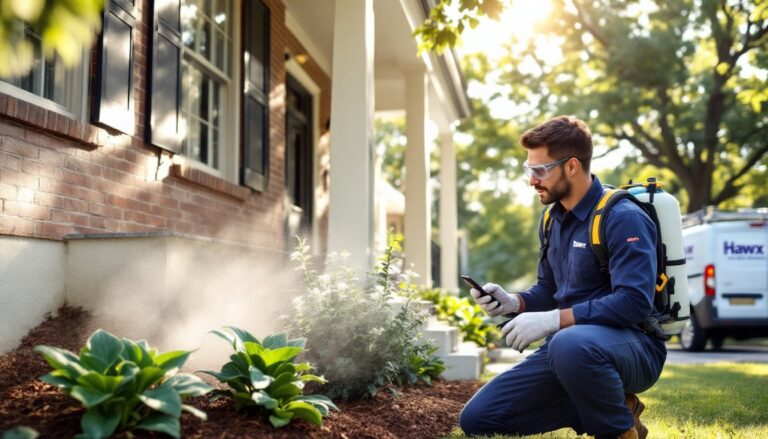
Apply a 3-foot band along the foundation, covering the base of the wall and the adjacent soil or mulch. Use a pump sprayer or hose-end sprayer for even coverage. Reapply every 60 to 90 days or according to the label. Always wear gloves, goggles, and a long-sleeved shirt during application. Keep children and pets off treated areas until the spray dries (typically 2 to 4 hours).
Granular insecticides offer longer residual control. Products with bifenthrin or carbaryl can be broadcast around the foundation and lightly watered in. Granules release active ingredients slowly and remain effective for 3 to 6 months. Apply them in a 5 to 10-foot band around the home, focusing on mulch beds, ground cover, and areas with heavy leaf litter.
Indoor crack-and-crevice treatments use residual sprays or dusts applied directly into baseboards, expansion joints, and wall voids. Deltamethrin dust or cyfluthrin aerosol works well for these applications. Avoid spraying large surface areas indoors, spot treatments are safer and more effective.
Professional pest control is worth considering if:
- You’re seeing 50+ millipedes per day indoors.
- Infestations recur seasonally even though DIY efforts.
- You’re dealing with large populations in crawl spaces, basements, or inaccessible areas.
- You’re uncomfortable handling pesticides.
Pest control operators (PCOs) use commercial-grade products not available to homeowners, including microencapsulated formulations that provide longer residual control. They’ll inspect your home, identify conducive conditions, treat interior and exterior harborage areas, and recommend structural or landscape modifications. Expect to pay $150 to $300 for an initial treatment, with quarterly follow-ups running $75 to $150 per visit. Prices vary by region and infestation severity.
Some pest control companies offer integrated pest management (IPM) plans that combine chemical treatments with habitat modification and exclusion work. This approach reduces long-term pesticide use and addresses root causes. If you’re exploring broader pest control solutions, look for companies that emphasize inspection, monitoring, and prevention alongside treatments.
Always read and follow pesticide labels. They’re legal documents, and misuse can harm people, pets, and the environment. If you’re uncertain about application rates, re-entry intervals, or PPE requirements, consult the product’s Safety Data Sheet (SDS) or contact the manufacturer.
Millipedes aren’t a sign of a dirty home, they’re a sign of exterior moisture and accessible entry points. Fix those, and the problem goes away. Whether you choose natural deterrents, chemical barriers, or professional help, the key is consistent prevention. Seal cracks, manage water, and keep organic debris away from your foundation. Do that, and millipedes will stay where they belong: outside, breaking down leaves and enriching your soil.