Table of Contents
ToggleOffice buildings create ideal conditions for pests, climate-controlled temperatures, access to food and water, plenty of hiding spots, and a steady stream of foot traffic bringing in hitchhikers. Whether it’s rodents nesting in dropped ceilings, cockroaches in the breakroom, or ants trailing across desks, infestations damage property, violate health codes, and undermine employee morale. Unlike residential pest control, commercial spaces require coordinated strategies across multiple tenants, regular monitoring, and compliance with occupational safety standards. This guide walks building managers, facility teams, and business owners through identification, prevention, treatment options, and long-term management to keep offices pest-free year-round.
Key Takeaways
- Office building pest control requires coordinated strategies across multiple areas and tenants because climate control, food access, and foot traffic create ideal conditions for rodents, cockroaches, ants, and other pests.
- Seal exterior entry points larger than ¼ inch with copper mesh, install door sweeps, and maintain landscaping at least 18 inches from the foundation to prevent pest access to commercial spaces.
- Professional Integrated Pest Management (IPM) is recommended for office buildings because multi-tenant environments allow pests to move between suites, and licensed applicators ensure regulatory compliance and effective treatment.
- Establish a pest management plan that includes baseline inspections, regular monthly or quarterly monitoring with bait stations, assigned internal responsibilities, and detailed documentation to catch infestations early and track trends.
- Prevent pest activity by managing waste with tightly sealed dumpsters, controlling moisture through leak repairs and ventilation, enforcing food policies in breakrooms, and assigning a facilities point person to coordinate responses.
- When an infestation occurs, isolate the area, contact licensed professionals immediately, communicate transparently with tenants, and follow all treatment protocols to ensure chemical and structural solutions work together effectively.
Why Pest Control Is Critical for Office Buildings
Pests in commercial buildings pose risks that extend far beyond the “ick” factor. Rodents chew through electrical wiring, creating fire hazards that can trigger costly code violations or worse. Cockroaches and rodents spread pathogens like Salmonella and E. coli, particularly in shared kitchen areas and restrooms. A single sighting can trigger health department inspections, especially in buildings with food service tenants.
Beyond health and safety, reputation takes a hit. Clients and employees notice pest activity, and word travels fast. In competitive markets, a pest problem can cost contracts or make recruiting harder. Property values decline when infestations go unchecked, and insurance claims for pest-related damage can spike premiums.
Most jurisdictions require commercial properties to meet basic sanitation and safety codes. Depending on the building’s use, medical offices, food service, childcare, pest control may be a regulatory requirement under local health ordinances. Ignoring the issue isn’t just unpleasant: it’s a liability.
Most Common Office Building Pests and How to Identify Them
Cockroaches thrive in office environments, especially German cockroaches, which breed rapidly in warm, humid spaces like breakrooms and server rooms. Look for droppings that resemble black pepper, egg casings (oothecae), and a musty odor. They’re nocturnal, so you might only spot them when flipping on lights at night.
Rodents, primarily house mice and Norway rats, enter through gaps as small as ¼ inch for mice. Signs include droppings (rice-shaped for mice, blunt-ended for rats), gnaw marks on cardboard or wiring, greasy rub marks along baseboards, and nests made from shredded paper. You’ll often hear them in walls or ceilings before you see them.
Ants are drawn to food waste and spills. Carpenter ants nest in structural wood, often near water-damaged areas, while odorous house ants form trails to food sources. Species like pharaoh ants are particularly problematic in healthcare settings because they can carry pathogens. Ant control requires targeting the colony, not just the workers you see.
Bed bugs hitchhike into offices on clothing, bags, or used furniture. They hide in upholstered furniture, carpet seams, and electrical outlets. Look for tiny rust-colored stains on fabric, shed skins, and small bites on employees. Established populations require professional heat treatments or targeted applications to eliminate.
Flies and gnats breed in drains, garbage areas, and potted plants. Drain flies indicate organic buildup in plumbing, while fruit flies signal overripe produce or spills. Fungus gnats come from overwatered plants.
Preventative Measures: Keeping Pests Out Before They Enter
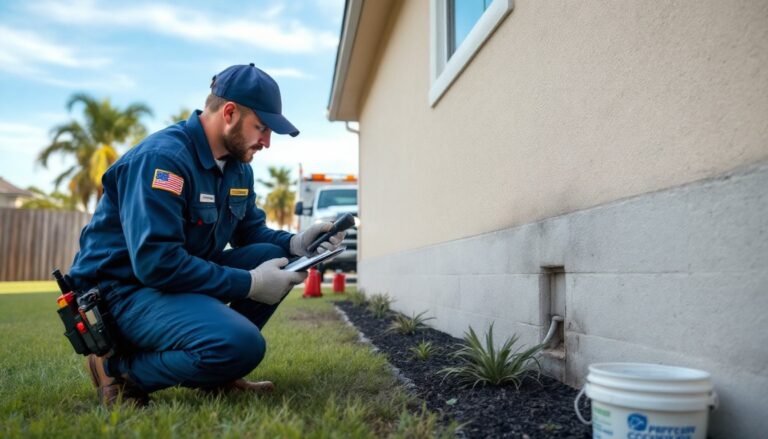
Prevention starts at the building envelope. Inspect the exterior for gaps around utility penetrations, damaged weatherstripping on doors, and cracks in foundation walls. Seal openings larger than ¼ inch with copper mesh (rodents can’t chew through it) and caulk or foam. Install door sweeps on all exterior doors, aim for a gap no larger than ⅜ inch.
Manage waste aggressively. Dumpsters should sit on concrete pads at least 50 feet from the building when possible, with lids that close tightly. Empty indoor trash nightly, and use bins with lids in breakrooms and kitchens. Clean spills immediately: crumbs under desks and in shared spaces are open invitations.
Control moisture, which attracts nearly every pest. Fix leaking pipes, improve ventilation in humid areas, and address any water intrusion promptly. Check for condensation around HVAC units and standing water in drip pans. Pests need water more than food.
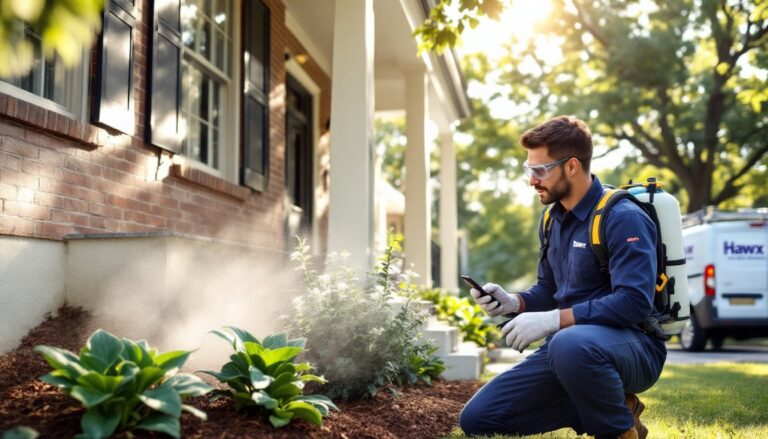
Landscaping matters. Keep mulch, shrubs, and vegetation at least 18 inches away from the building’s foundation. Overhanging tree branches provide rodent highways to the roof. Trim back anything touching the structure. According to home maintenance experts, routine exterior inspections catch vulnerabilities before they turn into access points.
Establish clear food policies. Restrict eating to designated areas, and enforce rules about leaving food out overnight. Provide sealed containers for pantry staples. If vending machines are present, ensure regular cleaning around and beneath them, spills attract everything from ants to rodents.
Professional vs. DIY Pest Control for Office Spaces
DIY approaches work for minor, isolated issues, a few ants near a water cooler or a single mouse sighting. Off-the-shelf bait stations, traps, and sprays can address these quickly. But office buildings have complexities that residential spaces don’t. Multi-tenant environments mean pests can move between suites through shared walls, drop ceilings, and plumbing chases. Treating one area without addressing the larger building often just shifts the problem.
Professional pest management companies bring Integrated Pest Management (IPM) expertise. IPM emphasizes inspection, monitoring, and non-chemical controls before resorting to pesticides. Professionals identify conducive conditions, say, a plumbing leak in a drop ceiling feeding a cockroach population, that non-specialists miss. They also carry commercial-grade products not available to consumers and know how to apply them safely in occupied buildings.
Regulatory compliance is another factor. Pest control in commercial spaces often requires licensed applicators, especially when treating common areas or buildings with sensitive uses (medical offices, daycares). Misapplying products can trigger OSHA complaints or violate EPA guidelines. Liability shifts to the professional when treatments go wrong, which matters in commercial settings.
For comparing DIY and professional approaches, consider scale and risk. A small office with a one-off problem might handle it in-house. A multi-story building with recurring issues needs a licensed company with experience in commercial environments. Costs vary widely, expect $100–$300 per month for routine service contracts, more for specialized treatments. Emergency calls and one-time treatments run $150–$500 depending on the pest and severity.
Creating an Ongoing Pest Management Plan
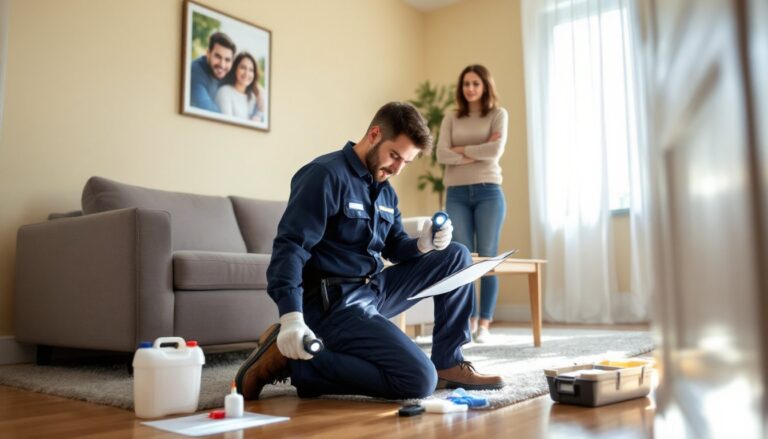
An effective plan starts with a baseline inspection. Walk the entire building, parking garage to roof, documenting conditions that attract pests. Note sanitation issues, structural gaps, moisture problems, and previous pest activity. This audit informs where to focus effort and budget.
Schedule regular monitoring. Most commercial contracts include monthly or quarterly visits where technicians inspect, treat, and document findings. Monitoring stations (bait stations, glue boards, pheromone traps) provide early warning before infestations establish. Place them in high-risk areas: loading docks, trash rooms, mechanical spaces, kitchens, and along exterior walls.
Assign internal responsibilities. Designate a point person, usually facilities management, to coordinate with the pest control company, track service reports, and handle tenant complaints. Train janitorial staff to recognize signs of pest activity and report them immediately. Pest control isn’t just the exterminator’s job: it requires teamwork across building operations.
Document everything. Keep service logs, inspection reports, and treatment records on file. If a health inspector shows up, or a tenant raises concerns, documentation proves you’re managing the issue proactively. It also helps track trends, if one area repeatedly shows activity, that signals an underlying issue needing structural or operational changes.
Staying current with pest control trends helps refine strategies as new technologies and methods emerge. Reviewing your plan annually ensures it adapts to building changes, tenant turnover, and shifting pest pressures.
What to Do When You Discover an Infestation
First, isolate the affected area if possible. Close doors, seal food, and remove trash to limit pest access to resources. Don’t spray pesticides indiscriminately, you might scatter the infestation or create resistance. Document what you see with photos and notes: pest type, location, time of day, and severity.
Contact your pest control provider immediately. Describe what you’ve found so they can bring appropriate equipment and products. If you don’t have a service contract, call a licensed commercial pest control company, ask for references and proof of insurance. According to contractor review platforms, checking credentials and past client feedback helps avoid fly-by-night operators.
Communicate with tenants and employees transparently. Explain what’s being done, when treatments will occur, and any required prep (like clearing food from breakrooms). Some treatments require temporary evacuation or restricted access. Hiding the issue breeds mistrust: addressing it openly shows you’re handling it professionally.
Follow all treatment protocols. If the pest control company says to leave bait stations undisturbed for 30 days, don’t move them. If they recommend sealing a specific gap, get it done quickly. Effective pest control examples often hinge on combining chemical treatment with structural repairs and sanitation improvements.
Monitor results closely. Schedule a follow-up inspection within two weeks to confirm the treatment worked. If activity persists, the strategy may need adjustment, different bait, different application points, or addressing a structural issue that’s letting pests back in.
Conclusion
Office building pest control demands a coordinated, proactive approach that balances prevention, monitoring, and rapid response. By sealing entry points, managing sanitation rigorously, partnering with licensed professionals, and maintaining detailed records, building managers can protect property values, meet health codes, and create a workspace employees and clients trust. Pest issues won’t disappear on their own, but with the right systems in place, they’re entirely manageable.