
Table of Contents
TogglePest control strategies protect homes and gardens from unwanted insects, rodents, and wildlife. Every year, pests cause billions of dollars in property damage across the United States. They also spread diseases and contaminate food supplies. Homeowners need a clear plan to identify, prevent, and eliminate these intruders. This guide covers the most effective pest control strategies available today. It explains which methods work best for different situations and when professional help becomes necessary.
Key Takeaways
- Effective pest control strategies begin with identifying the specific pest, as different invaders require different treatment approaches.
- Prevention is the most cost-effective approach—seal entry points, eliminate food sources, reduce moisture, and maintain your yard to discourage pests.
- Natural pest control strategies like diatomaceous earth, essential oils, and biological controls offer chemical-free alternatives for minor infestations.
- Integrated Pest Management (IPM) combines prevention, biological controls, and targeted chemicals for maximum effectiveness with minimal pesticide use.
- Call a professional exterminator for termites, bed bugs, large rodent populations, or recurring infestations that resist DIY treatments.
- When hiring a pest control company, verify licensing, read reviews, get multiple estimates, and ask about their treatment methods and warranties.
Understanding Common Household Pests
Successful pest control strategies start with identification. Different pests require different treatment approaches.
Insects
Ants rank among the most common household invaders. Carpenter ants damage wood structures, while odorous house ants contaminate food. Cockroaches carry bacteria and trigger allergies in many people. Termites destroy wooden foundations and can compromise a building’s structural integrity. Bed bugs hide in mattresses and furniture, feeding on human blood at night.
Rodents
Mice and rats enter homes through small gaps and cracks. A mouse can squeeze through an opening the size of a dime. These pests chew electrical wires, contaminate food, and spread diseases like hantavirus and salmonella. Signs of rodent activity include droppings, gnaw marks, and scratching sounds in walls.
Other Pests
Spiders, silverfish, and centipedes often appear in damp areas like basements and bathrooms. Mosquitoes breed in standing water and transmit diseases such as West Nile virus. Fleas hitchhike on pets and infest carpets and upholstery.
Knowing which pest you’re dealing with determines which pest control strategies will prove most effective.
Preventive Measures to Keep Pests Out
Prevention forms the foundation of all smart pest control strategies. Stopping pests before they enter costs less than eliminating an established infestation.
Seal Entry Points
Inspect your home’s exterior for gaps around pipes, vents, and utility lines. Use caulk or steel wool to seal small openings. Install door sweeps and repair damaged window screens. Pay attention to where cables enter the building, pests often exploit these gaps.
Eliminate Food Sources
Store dry goods in airtight containers. Clean up crumbs and spills immediately. Don’t leave pet food out overnight. Take garbage out regularly and use bins with tight-fitting lids. Rinse recyclables before storing them.
Reduce Moisture
Fix leaky pipes and faucets promptly. Use dehumidifiers in damp areas. Ensure proper drainage around your home’s foundation. Many pests, including cockroaches and silverfish, thrive in humid environments.
Maintain Your Yard
Trim bushes and tree branches away from exterior walls. Remove leaf litter and debris where pests hide. Keep firewood stacked at least 20 feet from your house. Eliminate standing water in birdbaths, gutters, and flower pot saucers.
These preventive pest control strategies create an environment that discourages pest activity from the start.
Natural and Chemical Treatment Options
When prevention fails, treatment becomes necessary. Homeowners can choose between natural and chemical pest control strategies depending on their preferences and the severity of the problem.
Natural Methods
Diatomaceous earth kills insects by damaging their exoskeletons. Sprinkle it around entry points and in areas where pests travel. Essential oils like peppermint, eucalyptus, and tea tree repel certain insects. Sticky traps capture crawling pests without chemicals.
Biological controls use natural predators. Ladybugs eat aphids in gardens. Nematodes attack grubs in lawns. Boric acid, derived from boron, destroys ant colonies and cockroach populations when applied correctly.
Chemical Treatments
Insecticides come in sprays, baits, and granules. Baits work well for ants and cockroaches because workers carry poison back to the colony. Residual sprays create barriers that kill pests on contact for weeks. Rodenticides eliminate mice and rats but require careful placement away from children and pets.
Always read product labels completely. Follow all safety instructions. Wear protective equipment when applying chemicals. Store products in their original containers away from food and living areas.
Integrated Pest Management
Integrated Pest Management (IPM) combines multiple pest control strategies for maximum effectiveness. This approach uses prevention first, then biological controls, and applies chemicals only as a last resort. IPM reduces pesticide use while maintaining excellent results.
When to Call a Professional Exterminator
Some situations demand professional pest control strategies. Licensed exterminators have access to stronger treatments and specialized equipment.
Signs You Need Professional Help
Call an expert if you discover a termite infestation. These pests cause extensive structural damage that requires professional assessment. Bed bug infestations also typically need professional treatment, these insects resist many over-the-counter products and hide in hard-to-reach places.
Large rodent populations often indicate entry points and nesting areas that homeowners miss. Recurring infestations even though DIY efforts suggest an underlying problem that professionals can diagnose.
What to Expect
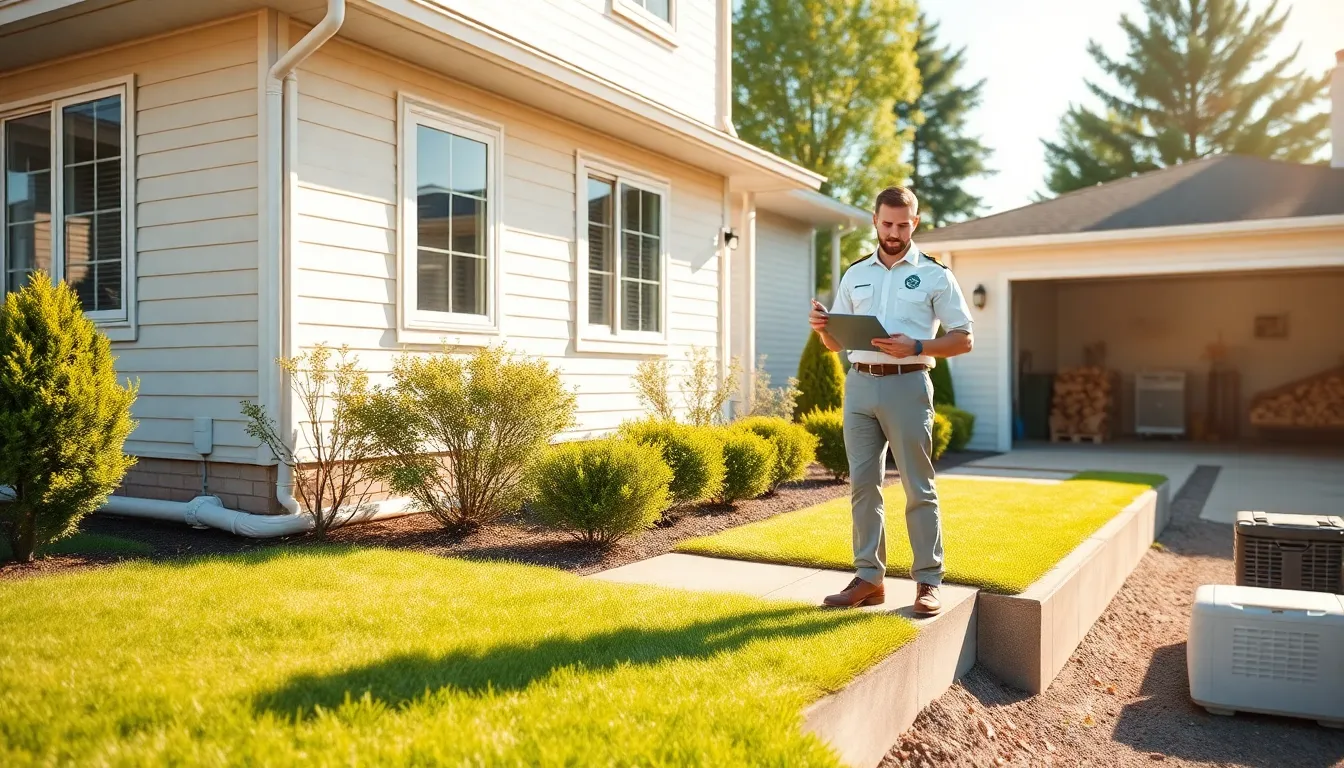
A qualified exterminator inspects your property thoroughly. They identify the pest species, locate entry points, and assess the infestation’s scope. Treatment plans vary based on findings. Some situations require multiple visits.
Professionals use commercial-grade products safely and effectively. They also provide warranties and follow-up services. Many offer ongoing pest control strategies through quarterly or monthly maintenance programs.
Choosing the Right Company
Verify that any company you consider holds proper licensing. Check reviews and ask for references. Get written estimates from multiple providers. Ask about their treatment methods and the products they use. A reputable company explains their approach clearly and answers questions directly.


