
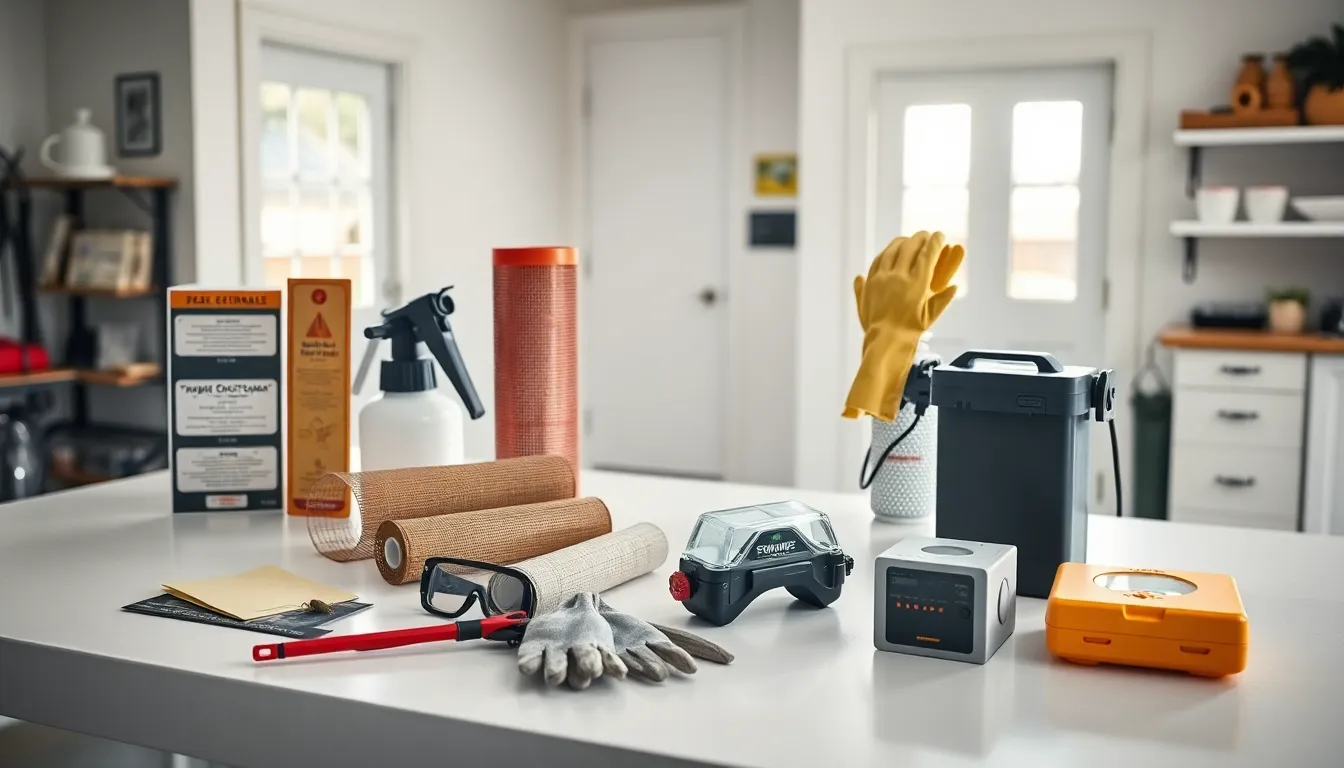
Table of Contents
TogglePest control tools make the difference between a quick fix and a recurring nightmare. Whether homeowners face ants in the kitchen, rodents in the garage, or aphids destroying vegetable gardens, the right equipment saves time, money, and frustration.
The pest control tools market continues to expand with new technologies and improved designs. From traditional traps to smart devices that send alerts to smartphones, options exist for every budget and skill level. This guide covers the essential pest control tools every homeowner should know about, and how to pick the ones that actually work.
Key Takeaways
- Manual pest control tools like snap traps, glue boards, and physical barriers remain highly effective and require no batteries or chemicals.
- Chemical application equipment such as pump sprayers, dusters, and bait stations are essential when infestations grow beyond what manual methods can handle.
- Electronic pest control tools, including smart monitoring systems and electronic traps, offer convenience and continuous protection with real-time alerts.
- Always use proper protective gear—gloves, respirators, and coveralls—when handling pesticides or dealing with stinging insects.
- Choose pest control tools based on the specific pest, environment, infestation severity, and your budget for long-term effectiveness.
- Investing in quality pest control tools costs more upfront but saves money over time by lasting longer and performing more reliably.
Manual Pest Control Tools
Manual pest control tools remain the backbone of effective pest management. They require no batteries, no chemicals, and often outlast their high-tech counterparts by decades.
Traps and Snares
Snap traps still rank among the most effective pest control tools for rodents. Modern versions feature easy-set mechanisms that reduce the risk of pinched fingers. Cage traps work well for those who prefer catch-and-release methods for squirrels, chipmunks, and larger pests.
Glue boards capture mice, insects, and spiders without poison. They’re disposable and cheap, though not ideal for homes with curious pets.
Hand Tools for Pest Removal
Long-handled grabbers help remove snakes, wasps’ nests, and other pests from a safe distance. Specialized pruning shears cut away infested plant material before problems spread. A sturdy garden hoe disrupts ant mounds and ground-nesting insects effectively.
Physical Barriers
Copper mesh stuffs into gaps where rodents enter. Unlike steel wool, it won’t rust. Door sweeps, caulk guns, and wire mesh screens prevent pests from entering in the first place. Prevention beats extermination every time.
Chemical Application Equipment
When infestations grow beyond what manual pest control tools can handle, chemical application equipment becomes necessary. Proper tools ensure pesticides reach target areas without wasting product or creating health hazards.
Sprayers
Pump sprayers range from small handheld units to backpack models that hold several gallons. Quality pest control tools in this category feature adjustable nozzles, fine mists for flying insects, coarse streams for perimeter treatments.
Hose-end sprayers attach directly to garden hoses and mix concentrated pesticides automatically. They cover large lawn areas quickly but offer less precision than pump models.
Dusters and Bait Applicators
Bellows dusters puff insecticidal powder into wall voids, electrical outlets, and cracks where liquid sprays can’t reach. Boric acid and diatomaceous earth work particularly well with these pest control tools.
Bait stations protect poison from weather and curious children while allowing target pests access. Gel bait applicators place precise amounts of attractant in spots where roaches and ants travel.
Foggers and Misters
Total-release foggers treat entire rooms but require careful preparation. Everything must be covered or removed. These pest control tools work best for severe indoor infestations when other methods fail.
Electronic and Smart Pest Control Devices
Technology has transformed pest control tools in recent years. Electronic devices offer convenience and continuous protection that manual methods can’t match.
Ultrasonic Repellers
These plug-in units emit high-frequency sounds that supposedly drive away rodents and insects. Scientific evidence on their effectiveness remains mixed. Some homeowners swear by them: others see no results. They won’t harm pets or children, but they probably shouldn’t serve as anyone’s primary defense.
Electronic Traps
Battery-powered electronic traps deliver a lethal shock to mice and rats. They’re cleaner than snap traps and kill instantly. LED indicators show when a rodent has been caught, no more checking empty traps daily.
Smart Monitoring Systems
Modern pest control tools now include WiFi-connected sensors that alert homeowners via smartphone when they detect activity. These systems track patterns and help identify entry points. Professional pest management companies increasingly rely on similar technology.
Bug Zappers and Light Traps
UV light attracts flying insects to an electrified grid. They work well for outdoor entertainment areas but won’t solve serious indoor fly problems. Sticky light traps offer a quieter, non-zapping alternative for kitchens and commercial spaces.
Protective Gear and Safety Equipment
Pest control tools don’t stop at what kills or removes pests. Protection matters just as much, both from the pests themselves and from the chemicals used against them.
Personal Protective Equipment
Chemical-resistant gloves protect hands when handling pesticides or contaminated materials. Nitrile works better than latex for most applications. Safety goggles prevent splashes from reaching eyes during spray operations.
Respirators filter out harmful particles and vapors. N95 masks handle dust and powder: half-face respirators with organic vapor cartridges are necessary for liquid pesticides.
Protective Clothing
Disposable coveralls keep pesticide residue off skin and regular clothes. Rubber boots prevent chemicals from soaking through shoes. When dealing with stinging insects, thick clothing and head nets prevent painful encounters.
First Aid and Cleanup Supplies
Every pest control tool kit should include emergency supplies. Eye wash stations, activated charcoal for poison ingestion, and sting relief products prepare homeowners for accidents. Absorbent materials clean up chemical spills safely.
How to Choose the Right Tools for Your Needs
Selecting appropriate pest control tools depends on several factors. The wrong choice wastes money and prolongs infestations.
Identify the Pest First
Different pests require different approaches. Mice call for traps: termites demand professional intervention. Flying insects respond to light traps: crawling insects often need barrier treatments or bait stations. Proper identification shapes every subsequent decision.
Consider the Environment
Indoor pest control tools differ from outdoor ones. Chemicals safe for exterior use may be dangerous indoors. Homes with children, pets, or people with chemical sensitivities need non-toxic or low-toxicity options. Gardens growing food require extra caution with any pesticide.
Match Tools to Infestation Severity
A few ants don’t require the same response as a full-blown invasion. Light infestations often respond to manual pest control tools and preventive measures. Severe problems may need chemical application equipment or professional help.
Budget and Maintenance
Quality pest control tools cost more upfront but last longer. Cheap sprayers leak and break. Flimsy traps malfunction. Investing in durable equipment pays off over multiple seasons. Consider ongoing costs too, replacement bait, batteries, and pesticide refills add up.


