Table of Contents
ToggleSpiders don’t ask permission before moving into your home. They slip through cracks, nest in corners, and build webs across doorways you just cleaned yesterday. While most house spiders are harmless, nobody wants to share their living room with eight-legged squatters. Effective spider and pest control isn’t about declaring war on every arachnid you see, it’s about understanding why they’re there, eliminating what attracts them, and creating barriers they can’t cross. Whether you’re dealing with a few cobwebs or a full-blown infestation, the right combination of natural methods, chemical solutions, and preventive tactics will reclaim your space.
Key Takeaways
- Spiders enter homes to hunt prey and find shelter, making pest elimination and clutter reduction critical steps in effective spider pest control.
- Signs of infestation include visible webs daily, egg sacs in corners and baseboards, daytime spider sightings, and dark droppings near nesting areas.
- Natural methods like weekly vacuuming, diatomaceous earth, essential oil sprays, and sticky traps offer effective ongoing spider control without chemicals.
- Residual insecticide sprays containing pyrethroids work best for serious infestations when applied to baseboards, window frames, and entry points with proper safety precautions.
- Prevention through sealing cracks, reducing humidity, eliminating other pests, and regular maintenance is cheaper and more effective than repeated treatment attempts.
- Call a professional exterminator for venomous species like black widows or brown recluses, recurring infestations, or large-scale problems beyond DIY capacity.
Why Spiders Enter Your Home
Spiders follow food, shelter, and favorable conditions. They don’t invade homes by accident, they’re hunting prey or searching for safe nesting sites.
Food sources are the primary draw. If your home harbors flies, mosquitoes, ants, or other small insects, spiders will follow. A spider web near a window isn’t random: it’s positioned where light attracts flying bugs. Similarly, spiders cluster in basements and garages where crickets, silverfish, and beetles tend to hide.
Shelter and moisture come next. Spiders prefer dark, undisturbed spaces like storage boxes, crawl spaces, attic insulation, and the gaps behind appliances. During fall and winter, outdoor spiders migrate indoors seeking warmth. Cracks around window frames, door sweeps with gaps, and foundation vents without screens are open invitations.
Clutter creates ideal habitat. Cardboard boxes, stacks of old newspapers, piles of firewood against the house, and overgrown landscaping all provide hiding spots. The more clutter, the harder it is to spot and eliminate spiders before they establish webs and egg sacs. Reducing clutter is a foundational step in effective pest control techniques for any home.
How to Identify a Spider Infestation
A few spiders here and there are normal. An infestation is a different story.
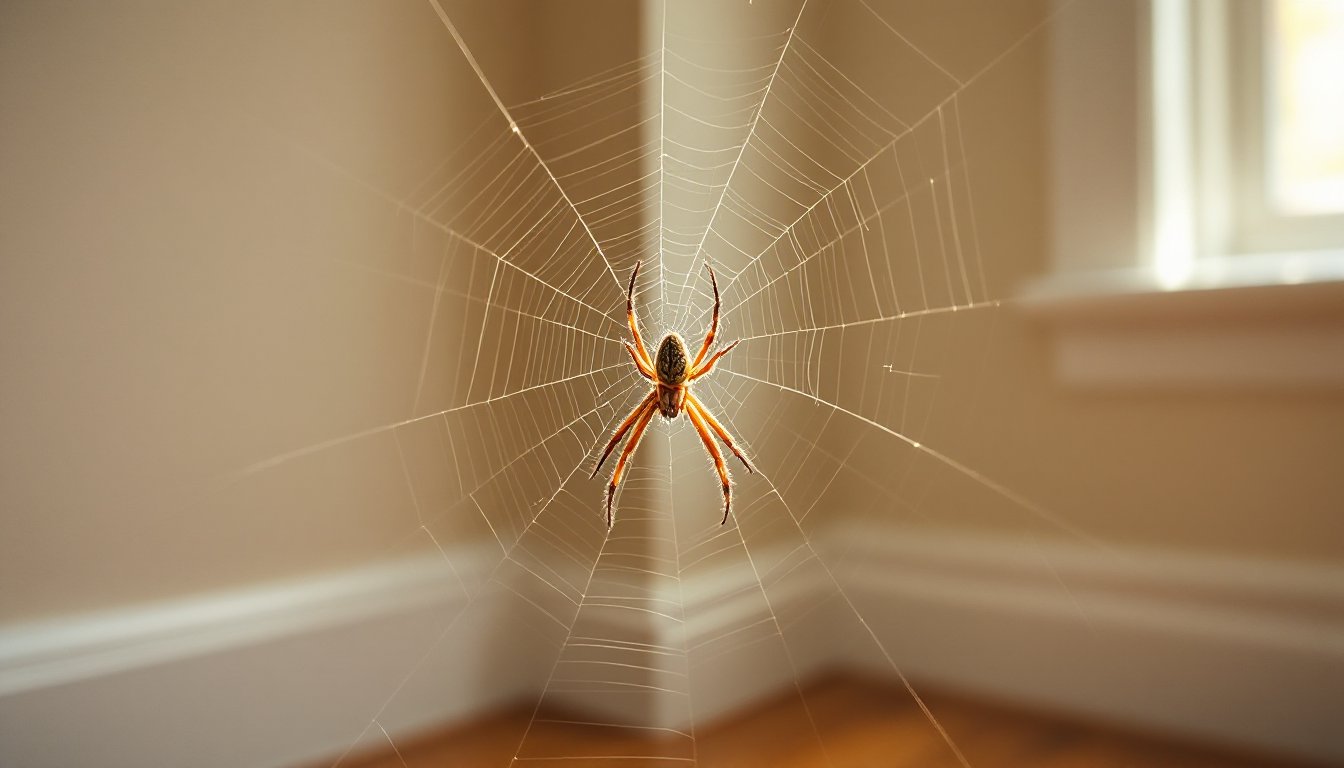
Webs everywhere are the most visible sign. Check ceiling corners, basement joists, window frames, and behind furniture. Active webs look fresh and sticky: abandoned ones collect dust. If you’re knocking down multiple webs daily, you’ve got a population problem.
Egg sacs indicate reproduction. These silk bundles are usually white or tan, about the size of a dime or quarter, and contain dozens to hundreds of eggs. Common hiding spots include corners, behind baseboards, inside storage boxes, and under furniture. One egg sac can hatch a new generation in weeks.
Live spider sightings during the day suggest overcrowding. Most house spiders are nocturnal and stay hidden. If you’re seeing them crawl across walls, floors, or ceilings in broad daylight, the population has likely exceeded the available hiding spaces.
Spider droppings look like small black or brown specks on walls, floors, and windowsills. They’re often mistaken for dirt but don’t wipe away easily. Heavy concentrations near webs confirm active nesting areas.
Species matters. Most house spiders (cellar spiders, common house spiders) are harmless nuisances. If you’re seeing black widows (shiny black with red hourglass markings) or brown recluses (tan with violin-shaped markings), take the threat seriously and consider professional help immediately.
Natural Spider Control Methods That Actually Work
Natural methods won’t exterminate heavy infestations overnight, but they’re effective for ongoing spiders pest control and prevention.
Vacuum regularly and thoroughly. Use the hose attachment to remove webs, egg sacs, and spiders from corners, baseboards, window frames, and ceiling edges. Empty the vacuum bag or canister into an outdoor trash bin immediately, spiders can crawl back out. Weekly vacuuming disrupts breeding cycles.
Diatomaceous earth (DE) is a non-toxic powder made from fossilized algae. Sprinkle food-grade DE (not pool-grade) along baseboards, in crawl spaces, behind appliances, and around entry points. The microscopic sharp edges damage spider exoskeletons, causing dehydration. Wear a dust mask during application: DE is safe once settled but irritates lungs when airborne.
Essential oils repel spiders when used correctly. Mix 10–15 drops of peppermint oil or eucalyptus oil with 1 cup of water and a few drops of dish soap in a spray bottle. Spray entry points, windowsills, door frames, and corners weekly. The scent disrupts spiders’ sensory organs. This method works best as a deterrent, not a killer.
Sticky traps capture spiders without chemicals. Place them along baseboards, in closets, under sinks, and near doors. Check traps weekly and replace when full. Traps also help you identify high-traffic areas.
Remove outdoor attractions. Trim shrubs and tree branches away from the house exterior. Store firewood at least 20 feet from the foundation and elevate it off the ground. Replace white outdoor bulbs with yellow “bug lights” that attract fewer flying insects, which in turn attract fewer spiders.
Chemical Spider Control Solutions
Chemical treatments deliver faster results for serious infestations, but they require careful application and safety precautions.
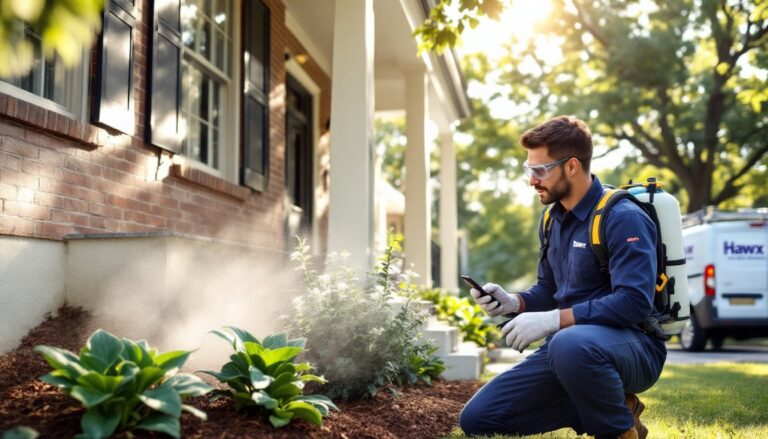
Residual insecticide sprays are the most common chemical option. Products containing pyrethroids (bifenthrin, lambda-cyhalothrin, or deltamethrin) create a long-lasting barrier. Spray baseboards, window frames, door thresholds, foundation cracks, and garage perimeters. Follow label instructions exactly, overapplication doesn’t improve effectiveness and increases toxicity risk. Wear gloves and safety goggles during application. Keep children and pets away until surfaces dry completely, typically 2–4 hours.
Aerosol spider sprays work for immediate knockdown. These are useful for treating webs in high corners, attic rafters, and hard-to-reach spaces. The spray kills on contact but offers minimal residual protection. Always aim nozzles away from your face and avoid inhaling mist.
Dust insecticides (like deltamethrin dust) are ideal for voids, wall cavities, and attics where liquid sprays aren’t practical. Use a hand duster to apply light coatings inside electrical outlet boxes (with power off), behind wall plates, and in crawl spaces. Dust remains effective for months in dry areas.
Spider-specific baits are less effective than for ants or roaches because spiders don’t forage for food the same way. They hunt live prey, so bait stations rarely attract them.
Safety first. Read the EPA-registered product label before use. Never mix chemicals. Store products in original containers, out of reach of children and pets. If treating food-prep areas, use products labeled safe for kitchens or opt for natural methods. For homes with small children, pregnant women, or individuals with respiratory issues, natural methods or professional-grade treatments with certified applicators are safer choices. Combining chemical treatments with broader pest control tips improves overall home protection.
Preventing Future Spider Infestations
Prevention is easier and cheaper than repeated treatments. Focus on exclusion, habitat modification, and consistent maintenance.
Seal entry points. Inspect the home exterior for cracks in the foundation, gaps around windows and doors, and openings where utilities enter. Use silicone caulk for cracks up to 1/4 inch and expanding foam for larger gaps. Install or replace door sweeps on exterior doors, there should be no visible light underneath when closed. Add mesh screens (minimum 20-mesh) to foundation vents, attic vents, and crawl space openings.
Reduce indoor humidity. Spiders thrive in damp environments. Use a dehumidifier in basements and crawl spaces to keep relative humidity below 50%. Fix leaky pipes, improve ventilation in bathrooms and laundries, and redirect downspouts away from the foundation.
Eliminate other pests. Spiders won’t stick around if there’s nothing to eat. Address fly problems, ant trails, and beetle infestations promptly. This often means combining spider control with integrated pest control ideas targeting multiple species.
Declutter regularly. Store seasonal items in sealed plastic bins instead of cardboard boxes. Keep storage areas organized so you can spot webs early. Don’t let piles accumulate in garages, basements, or closets.
Maintain landscaping. Keep grass mowed and shrubs trimmed. Remove leaf litter, mulch piles, and debris from around the foundation. Store firewood, lumber, and construction materials away from the house. According to Good Housekeeping, regularly removing webs and reducing clutter are among the simplest yet most effective deterrents.
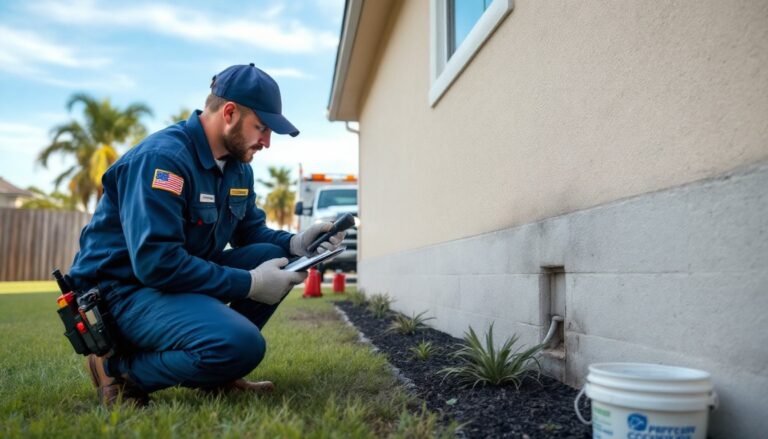
Routine inspections catch problems early. Walk the home perimeter monthly, checking for new webs, cracks, or pest activity. Indoors, inspect basements, attics, and storage areas quarterly.
When to Call a Professional Exterminator
Some situations exceed the scope of DIY treatments and require licensed pest control professionals.
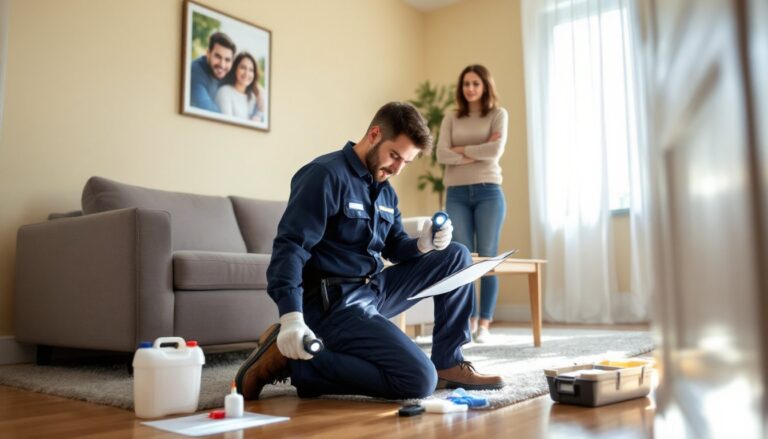
Venomous species present. If you’ve identified black widows, brown recluses, or other medically significant spiders, don’t take chances. Professionals have the training, equipment, and pesticides to eliminate dangerous spiders safely.
Recurring infestations even though multiple treatment attempts suggest a hidden source or structural issue you’ve missed. Exterminators conduct thorough inspections, identify entry points, and apply commercial-grade products not available to homeowners.
Large-scale infestations overwhelming multiple rooms or an entire home are best handled by pros. They can apply treatments to wall voids, attics, and crawl spaces using specialized equipment like power dusters and backpack sprayers.
Health or mobility limitations. If you can’t safely climb ladders, crawl into tight spaces, or handle chemicals due to health conditions, hire help. Professional treatments also make sense for rental properties or homes with young children where you want guaranteed results with minimal risk.
Cost and expectations. A one-time spider treatment typically runs $150–$300 depending on home size and infestation severity. Quarterly pest control contracts (covering spiders, ants, and other pests) range from $100–$150 per visit. Prices vary by region and provider. Ask about guarantees, re-treatment policies, and whether the service includes exclusion work (sealing entry points) or just chemical application. Evaluating pest control vs DIY options helps determine the most cost-effective approach for your situation.
Conclusion
Spider control is a mix of immediate action and long-term prevention. Vacuum webs, seal cracks, reduce clutter, and eliminate the bugs spiders hunt. Natural methods work well for mild problems: chemical treatments handle serious infestations. And when venomous species show up or DIY efforts fall short, professionals have the tools to finish the job. Stick with consistent maintenance, and your home stays spider-free without constant battle.