Table of Contents
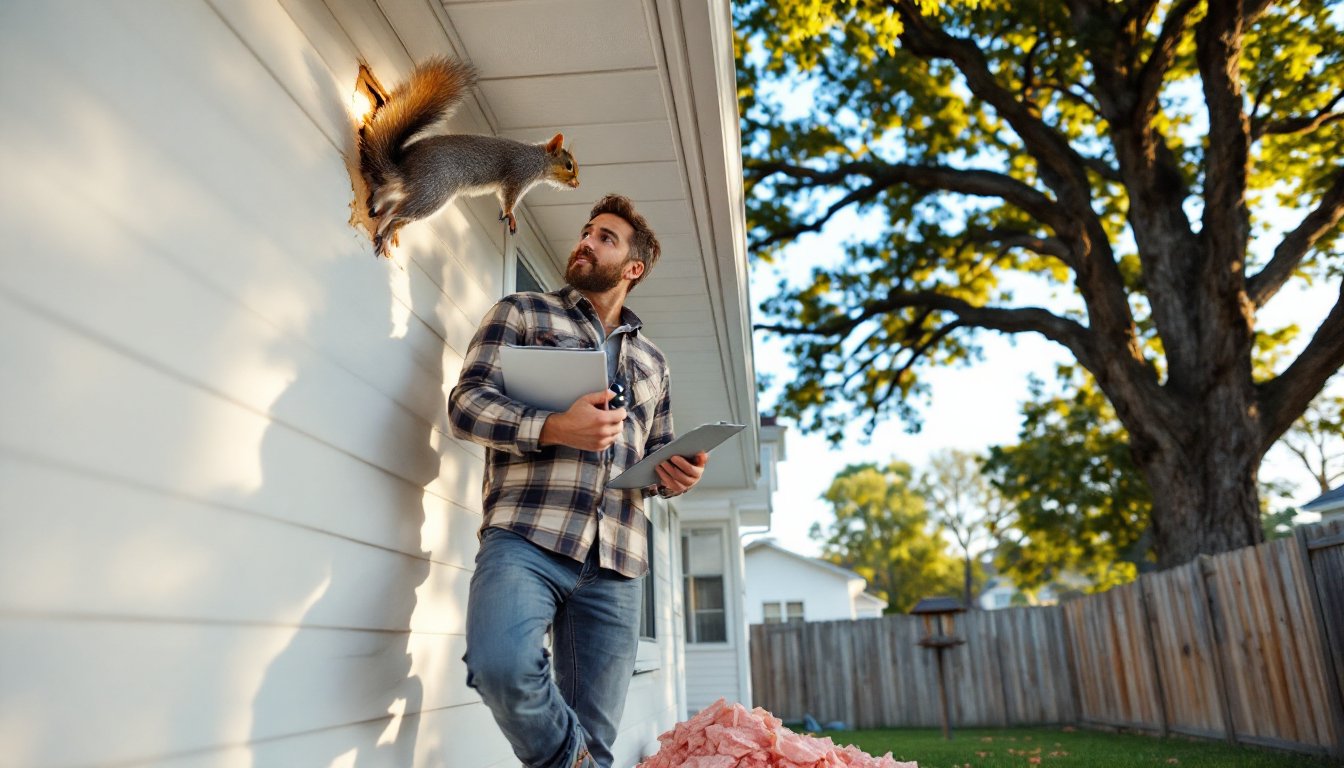
ToggleSquirrels are resourceful, relentless, and surprisingly destructive when they decide your attic or crawl space makes a good winter home. They chew through roof vents, gnaw electrical wiring (a genuine fire hazard), and leave droppings that can carry disease. Unlike mice or rats, squirrels are active during daylight hours, so you’ll often hear scratching, scurrying, or chirping between dawn and dusk. Addressing a squirrel problem quickly prevents structural damage and keeps your household safe. This guide covers how to identify an infestation, understand what draws squirrels to your property, remove them humanely, and seal up your home so they don’t return.
Key Takeaways
- Identify active squirrel pest control needs by looking for scratching sounds, fresh chew marks on roof edges, droppings near entry points, and damaged bird feeders or gardens.
- Squirrels are attracted to food sources (bird feeders, fruit trees), shelter (attics, wall vents), and water access—eliminating these attractants reduces infestation pressure.
- Humane squirrel removal uses live traps and one-way exclusion doors, but timing is critical to avoid trapping juveniles during breeding seasons (January–February and June–July).
- Seal entry points with metal hardware cloth and mesh, not wood or standard caulk, and trim tree branches to maintain at least 8 feet of clearance from your roofline to prevent roof access.
- Professional squirrel pest control operators are worth the $300–$600+ investment if you have multiple entry points, electrical damage, structural harm, or lack the expertise and equipment for safe removal.
- Combining prevention strategies—securing food, installing motion-activated sprinklers, and sealing gaps—is more effective than relying on any single method or deterrent.
Signs You Have a Squirrel Problem
Squirrels leave unmistakable clues when they’ve taken up residence. Look for these indicators:
Scratching or scurrying sounds in the attic or walls, typically during morning and late afternoon. Squirrels are diurnal, so nighttime noises more often point to raccoons or flying squirrels.
Chew marks on roof eaves, soffits, fascia boards, or around roof vents. Squirrel teeth grow continuously, so they gnaw constantly to keep them filed down. Fresh chew marks appear light-colored: older damage weathers to gray.
Droppings roughly 3/8 inch long, rounded at the ends, often scattered near entry points or in attic insulation. They resemble small, dark pellets and may cluster in areas where squirrels nest.
Nesting material such as shredded insulation, cardboard, leaves, or twigs piled in attic corners or wall cavities. Squirrels build bulky nests (called dreys) and will repurpose whatever soft material they find.
Visible entry holes around 2 inches in diameter or larger. Squirrels can squeeze through surprisingly small gaps and will enlarge openings by chewing if needed.
Damaged garden beds or bird feeders raided repeatedly. If sunflower seeds disappear overnight and your tomatoes show bite marks, squirrels are often the culprits.
If you spot two or more of these signs, you likely have an active squirrel problem that needs attention before damage escalates.
Why Squirrels Target Your Property
Understanding what attracts squirrels helps you eliminate the draw. Squirrels seek three essentials: food, shelter, and water.
Food sources include bird feeders (especially those stocked with sunflower seeds or suet), fruit trees, vegetable gardens, unsecured garbage cans, and compost bins. Squirrels cache food for winter, so they’re particularly aggressive in late summer and fall.
Shelter opportunities arise when homes have accessible attics, unscreened vents, gaps in soffits, or openings where utility lines enter the structure. Squirrels prefer elevated nesting sites that offer protection from ground predators. Attics with fluffy insulation make ideal denning spots, especially for pregnant females in spring and late summer.
Water access from leaky gutters, birdbaths, pet water dishes, or nearby ponds keeps squirrels hydrated. They’ll reliably return to properties with consistent water sources.
Tree cover and roof access also play a role. Overhanging branches within 6 to 8 feet of your roofline act as highways directly to your home. Squirrels can jump roughly 8 feet horizontally and drop from significant heights without injury, so proximity matters. Properties with mature oaks, hickories, or maples, trees that produce nuts, are especially attractive.
Homeowners who accidentally create ideal pest conditions often discover squirrels moving in within weeks. Addressing these attractants reduces pressure on your defenses.
Humane Squirrel Removal Techniques
Most jurisdictions require humane treatment of wildlife, and poisoning squirrels is illegal in many areas. Here’s how to remove squirrels without harming them.
Live trapping is the most reliable DIY method. Use a cage trap at least 16 inches long baited with peanut butter, sunflower seeds, or apple slices. Place traps near entry holes or along travel routes (look for worn paths on roof edges). Check traps every few hours, trapped animals stress quickly and can injure themselves. Wear heavy gloves when handling traps: squirrels bite hard and can carry rabies.
One-way exclusion doors let squirrels exit but prevent re-entry. Install these over active entry holes after confirming no young are inside (more on timing below). The device is essentially a hinged or spring-loaded flap mounted on the exterior: squirrels push out easily but can’t pull the door open from outside. Leave the door in place for three to five days to ensure all animals have left, then permanently seal the opening.
Timing matters. Squirrels have two breeding seasons: late winter (January–February) and mid-summer (June–July). Avoid exclusion during these windows: you risk trapping flightless juveniles inside, which will die and create a biohazard. If you hear high-pitched squeaking or see an adult squirrel repeatedly entering and exiting the same hole, assume a nest is present and wait until young are mobile (roughly 10 to 12 weeks after birth).
Relocation laws vary by state. Some jurisdictions prohibit relocating wildlife entirely: others require release within the same county or specify minimum distances from residential areas. Check local fish and wildlife regulations before transporting trapped animals. Releasing squirrels in unfamiliar territory also reduces their survival odds, so consider whether exclusion-in-place might be more humane.
If you’re uncomfortable handling wildlife or local laws restrict DIY removal, contact a licensed wildlife control operator. They have the training and permits to manage situations safely and legally.
DIY Prevention Strategies That Work
Prevention is cheaper and less stressful than remediation. These strategies keep squirrels from establishing a foothold.
Sealing Entry Points
Squirrels exploit any opening 1.5 inches or larger. Inspect your home’s exterior thoroughly, paying special attention to:
- Roof vents and ridge vents: Install 1/4-inch hardware cloth (galvanized steel mesh) over vent openings. Standard window screen won’t hold up: squirrels chew through it in minutes.
- Soffits and fascia: Look for rotted wood or gaps where these components meet. Replace damaged sections with pressure-treated lumber or PVC trim and seal joints with polyurethane caulk rated for exterior use.
- Gable vents: Cover with hardware cloth secured with exterior-grade screws (not staples, which squirrels can pry loose).
- Chimney caps: A steel cap with mesh sides prevents entry while allowing smoke to escape. Measure the flue dimensions before purchasing: caps must fit snugly.
- Utility line entry points: Squirrels follow cable, phone, and electrical lines directly to the building. Seal gaps around these penetrations with copper or stainless steel mesh stuffed into the opening, then cover with expanding foam rated for pest exclusion (brands like Great Stuff Pestblock contain a bitter deterrent).
- Roof-to-wall joints and step flashing: Check where rooflines meet vertical walls. Missing or damaged flashing creates easy access. Repair with new aluminum step flashing and roofing cement.
Don’t rely on wood, plastic, or standard caulk alone, squirrels will chew through these materials. Metal mesh and sheet metal are the gold standards. Implementing effective control techniques ensures long-term protection.
Natural Deterrents and Repellents
Deterrents make your property less appealing without harming wildlife. Results vary, but combining methods improves success rates.
Predator scent products contain coyote or fox urine and trigger squirrels’ flight response. Apply granules or spray around the foundation, near garden beds, and along fence lines. Reapply after rain. Effectiveness diminishes over time as squirrels habituate, so rotate products or take breaks.
Capsaicin-based sprays (hot pepper extracts) irritate squirrels’ noses and mouths. Spray on bird feeders, bulb beds, or other trouble spots. Wear gloves and eye protection: the spray is potent. Reapply weekly and after precipitation. Some homeowners report success with DIY versions using cayenne pepper mixed with water and dish soap.
Ultrasonic repellents emit high-frequency sounds that supposedly disturb rodents. Evidence of effectiveness is mixed: some units work temporarily, but squirrels often adapt. If trying these, choose models rated for outdoor use and position them near entry points.
Motion-activated sprinklers startle squirrels with a burst of water. Place them near garden beds, along fence tops, or under bird feeders. They’re more effective than ultrasonic devices and double as a garden watering solution.
Tree and shrub pruning removes the squirrels’ highway system. Trim branches to maintain at least 8 feet of clearance from your roofline, siding, and fences. This won’t stop a determined squirrel but reduces easy access. Use pruning shears or a pole saw for smaller branches and a chainsaw for limbs over 3 inches in diameter. Always wear safety goggles and work gloves: consider hiring an arborist for large or high branches.
Secure food sources: Use squirrel-proof bird feeders with weight-activated perches that close under a squirrel’s weight (typically 7 to 10 ounces), or install baffles (cone-shaped metal guards) on feeder poles. Store pet food and birdseed in metal containers with tight lids. Keep garbage cans in a garage or shed, or use locking lids.
Many DIY control methods prove effective when applied consistently, though persistence is key.
When to Call a Professional Pest Control Service
Some situations exceed DIY capabilities. Call a licensed wildlife control operator if:
Multiple entry points exist or you can’t locate the primary access route. Professionals use thermal imaging cameras and inspection cameras to find hidden gaps.
Squirrels have damaged electrical wiring. Chewed wires create fire hazards and often require both wildlife removal and electrical repairs. An electrician should inspect attic wiring after squirrels are evicted.
You suspect babies are present but can’t confirm timing or location. Pros have the experience to locate nests and determine juvenile age, preventing inhumane exclusion.
Structural damage is extensive. If squirrels have chewed through roof sheathing, damaged HVAC ducts, or destroyed significant insulation, you’ll need both removal and repairs. Many wildlife companies offer restoration services or can coordinate with contractors.
Local laws require permits for trapping or relocation. Wildlife control operators hold the necessary licenses and understand regional regulations.
You’re uncomfortable with heights or handling traps. Roof work and wildlife handling both carry injury risks. There’s no shame in hiring expertise.
Costs for professional squirrel removal typically range from $300 to $600 for inspection, trapping, and exclusion of a single-entry scenario, though prices vary widely by region and infestation severity. According to homeowner cost data, extensive repairs or multi-entry situations can push totals to $1,500 or more. Get at least three quotes and confirm that warranties cover re-entry.
For additional guidance on humane prevention approaches, many resources emphasize the importance of exclusion over trapping alone. A combination of professional pest management and diligent property maintenance delivers the most reliable outcomes. Implementing proven control strategies alongside expert help ensures squirrels won’t return once removed.