Table of Contents
ToggleWhen pests invade, homeowners need reliable help, fast. The Killers Pest Control operates in the Pacific Northwest, serving Gresham, Oregon, and surrounding areas with both residential and commercial extermination services. Whether you’re dealing with ants marching through the kitchen, rodents in the attic, or bedbugs in the bedroom, understanding what a professional service offers, and what it costs, can help you make the right call. This guide breaks down The Killers’ approach, pricing structure, and whether hiring them beats tackling pests yourself.
Key Takeaways
- The Killers Pest Control uses integrated pest management (IPM) to eliminate pests through inspection, targeted treatment, and exclusion rather than blanket spraying, ensuring longer-lasting results in the Pacific Northwest.
- One-time treatments cost $150–$350 for standard homes, while quarterly service plans range from $100–$200 per visit, with exclusion work and bedbugs requiring higher investment up to $1,500+.
- Professional pest control is recommended for widespread infestations, wood-destroying organisms, bedbugs, and recurring problems where DIY efforts fail after 2–3 weeks.
- The Killers Pest Control serves the Gresham, Oregon area and surrounding communities with both residential and commercial services, including carpenter ant control, rodent exclusion, and bedbug heat treatments.
- While DIY pest control saves money upfront ($15–$50), professional service pays off when dealing with structural infestations or recurring pests that risk costly property damage.
What Is The Killers Pest Control and How Does It Work?
The Killers Pest Control is a regional pest management company based in Gresham, Oregon. They focus on integrated pest management (IPM), a strategy that combines inspection, exclusion, treatment, and monitoring to keep pests out long-term rather than just spraying and leaving.
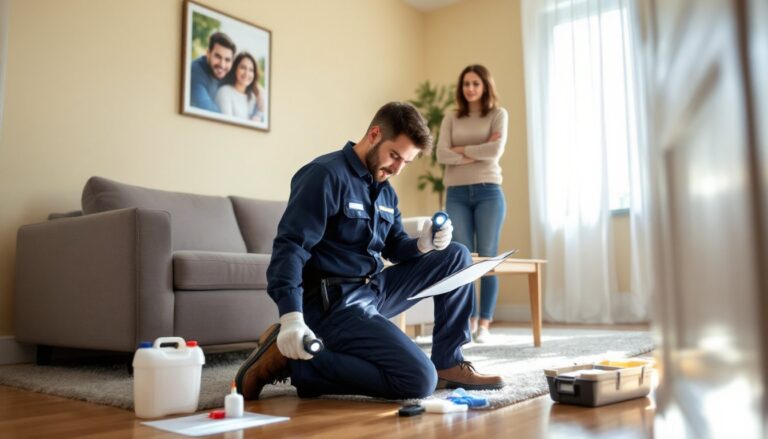
Their process typically starts with a property inspection. A licensed technician walks the perimeter, checks entry points, identifies harborage areas, and pinpoints the pest species. Common culprits in the Pacific Northwest include carpenter ants, moisture ants, rodents (Norway rats and roof rats), spiders, and occasional invaders like silverfish or earwigs.
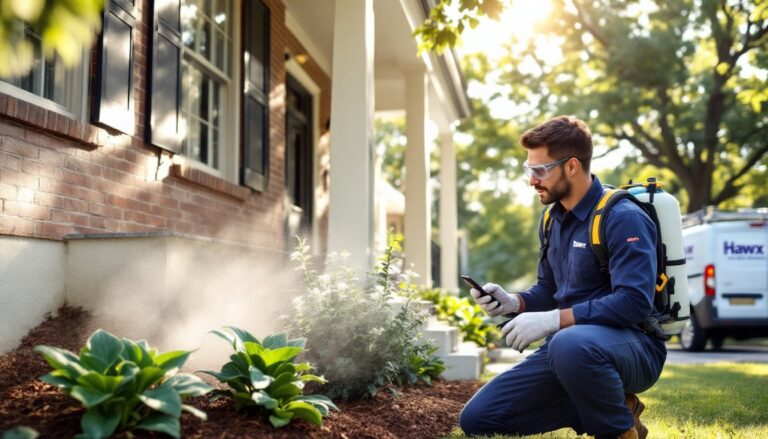
Once identified, the tech applies targeted treatments, baits, dusts, liquid barriers, or traps, depending on the pest. For rodents, that might mean snap traps in the attic and exclusion work (sealing gaps with copper mesh or galvanized steel). For ants, it could involve a perimeter spray with a non-repellent insecticide and indoor gel baits. They avoid blanket treatments, which can drive pests deeper into wall voids or create resistance.
The Killers also offers recurring service plans, typically quarterly or bimonthly visits. These include re-treatment as needed and seasonal adjustments, more focus on ants in spring, wasps in summer, spiders in fall, and rodents heading indoors when temperatures drop.
Services Offered by The Killers Pest Control
Residential Pest Elimination
The Killers handles the full range of household pests. Ant control is a major service in the Northwest, where carpenter ants and moisture ants can compromise wood framing if left unchecked. Treatment involves locating the colony, often inside wall voids or under insulation, and applying a slow-acting bait that workers carry back to the queen.
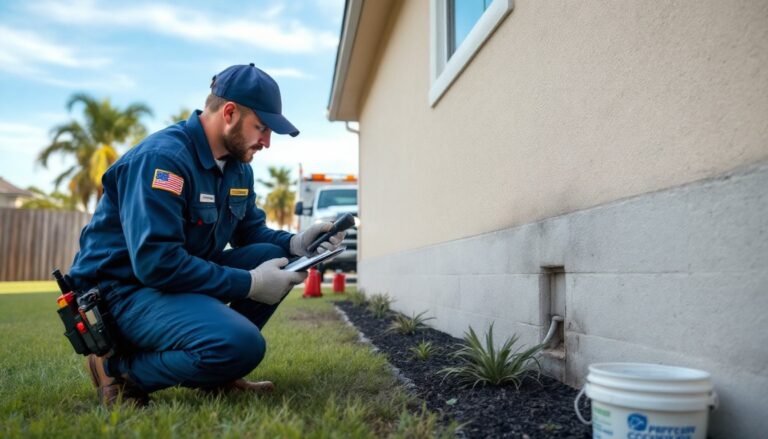
Rodent control includes trapping, exclusion, and sanitation advice. Technicians inspect crawl spaces, attics, and eaves for entry points (rats can squeeze through gaps as small as ½ inch). They’ll recommend sealing with ¼-inch hardware cloth or sheet metal, not just caulk or foam, which rodents chew through.
Other residential services include spider control (common house spiders and hobo spiders), wasp and hornet nest removal, bedbug heat treatments or chemical applications, and occasional invader management. For households managing multiple issues simultaneously, understanding effective pest control techniques can complement professional treatments with preventive measures.
Commercial Pest Management Solutions
The Killers also serves commercial clients, restaurants, warehouses, office buildings, and property management companies. Commercial pest control requires more documentation, often including service logs for health inspections and compliance with local health department standards.
For food service businesses, the focus is on sanitation, exclusion, and non-toxic monitoring stations in sensitive areas. Warehouses may need rodent bait stations around the perimeter and pheromone traps for stored product pests like Indian meal moths.
Commercial contracts typically include more frequent visits, monthly or even weekly for high-risk sites, and detailed reporting. Many businesses also need preventive treatments before a problem escalates, rather than reactive service after an infestation is discovered.
Pros and Cons of Choosing The Killers Pest Control
Pros:
• Local expertise. The Killers knows Pacific Northwest pests, moisture-driven infestations, and the specific challenges of Oregon’s wet climate.
• Integrated approach. They emphasize exclusion and habitat modification, not just chemical sprays, which leads to longer-lasting results.
• Licensed and insured. Oregon requires pest control operators to hold a structural pest control license through the Oregon Department of Agriculture. The Killers meets that standard.
• Responsive service. As a regional company, they’re often easier to reach than national chains with call centers in other states.
Cons:
• Limited service area. They primarily serve Gresham and nearby communities. Homeowners outside the greater Portland metro may need to look elsewhere.
• Variable availability. Smaller companies can get booked during peak seasons (spring ant season, late-summer wasp season). Expect longer lead times in May and August.
• Less brand recognition. Unlike national franchises, The Killers doesn’t have widespread advertising or a robust online presence. Reviews on Angie’s List provide some transparency, but fewer data points exist compared to larger competitors.
• No DIY product sales. Some homeowners prefer companies that also sell consumer-grade products for spot treatment. The Killers focuses on professional service, not retail.
Cost and Pricing: What to Expect from The Killers
Pricing varies by service type, property size, and infestation severity. As of early 2026, typical ranges for The Killers and similar regional pest control companies in Oregon include:
• One-time treatment: $150–$350 for a standard single-family home, depending on pest type and treatment complexity. Bedbug treatments run significantly higher, $500–$1,200 or more, due to prep work and multiple visits.
• Quarterly service plans: $100–$200 per visit, often with a slightly higher initial service ($250–$400) that includes a thorough inspection and first treatment.
• Rodent exclusion: $300–$1,500+, depending on the number of entry points and whether crawl space work or attic insulation replacement is needed. Sealing a single vent with hardware cloth might cost $75–$150, but a full perimeter seal on an older home with multiple gaps can exceed $1,000.
• Commercial pricing: Custom quotes based on square footage, frequency, and industry. Restaurants and food processing facilities pay more due to regulatory requirements.
Costs can spike if structural repairs are needed, replacing rotted siding, repairing roof eaves, or addressing moisture issues that attract pests. The Killers typically refers structural work to licensed contractors rather than handling it in-house.
Pricing transparency matters. Ask for a written estimate that breaks down inspection fees, treatment costs, and any recommended exclusion work. Some companies bury costs in vague line items: reputable ones itemize everything. Platforms like HomeAdvisor can help benchmark pricing against local averages, though quotes vary widely based on the scope of work.
DIY Pest Control vs. Professional Services: Which Is Right for You?
DIY pest control works for minor, localized problems, a few ants on the countertop, a single wasp nest under the eaves, or mice you can trap with snap traps from the hardware store. Products like Terro liquid ant baits or Tomcat rodent bait stations are effective if you identify the pest correctly and apply them according to label directions.
But DIY has limits. Misidentifying the pest leads to wasted effort, treating for the wrong ant species, for instance, can make the problem worse by causing colony budding (ants splitting into multiple colonies). Structural infestations, carpenter ants inside walls, rats in the attic, or bedbugs throughout a bedroom, are tough to eliminate without professional-grade equipment and products.
DIY also requires time and persistence. You’ll need to inspect regularly, re-apply treatments, and monitor results. If you’ve got a busy schedule or the infestation is growing, that timeline can work against you. For homeowners considering a hybrid approach, exploring proven pest control tips can improve results when paired with occasional professional service.
Hire a pro if:
• The infestation is widespread or recurring.
• You’re dealing with wood-destroying organisms (carpenter ants, termites).
• Rodents are entering but you can’t locate entry points.
• The pest requires specialized treatment (bedbugs, wasps in wall voids).
• You’re selling your home and need a Wood Destroying Organism (WDO) inspection or pest-free certification.
• You’ve tried DIY for 2–3 weeks with no improvement.
Professionals bring better tools, commercial-grade sprayers, dust applicators for wall voids, infrared cameras for rodent detection, and heat chambers for bedbug treatment. They also carry liability insurance if something goes wrong.
On the flip side, DIY costs less upfront. A $15 can of spray and $20 worth of traps beats a $200 service call. But if the problem persists, you’ll spend more over time, and risk property damage. According to resources like Good Housekeeping, the average U.S. homeowner spends $400–$600 annually on pest control, whether DIY or professional. The key is matching the method to the problem’s scale and your own skill level.