
Table of Contents
ToggleWhat is home appliances? It’s a question that seems simple, but the answer covers everything from your morning coffee maker to the refrigerator keeping your groceries fresh. Home appliances are electrical or mechanical devices that perform household tasks. They save time, reduce physical effort, and make daily life more comfortable.
The average American home contains over a dozen home appliances. These devices handle cooking, cleaning, food storage, and climate control. Understanding what qualifies as a home appliance, and how different types serve different purposes, helps consumers make smarter purchasing decisions. This guide breaks down the categories, functions, and key considerations for choosing the right appliances for any household.
Key Takeaways
- Home appliances are electrical or mechanical devices that perform household tasks like cooking, cleaning, food storage, and climate control.
- Major home appliances (white goods) include refrigerators, washing machines, and HVAC systems—typically costing $400 to $3,000 and lasting 10 to 20 years.
- Small home appliances are portable devices like coffee makers, blenders, and vacuums that plug into standard outlets and cost between $20 and $300.
- Smart home appliances connect to WiFi for remote control and automated features, representing the latest advancement in household technology.
- When choosing home appliances, consider household size, energy efficiency (ENERGY STAR ratings), consumer reviews, and long-term repair costs.
- Always measure doorways and installation spaces before purchasing to ensure your new appliances will fit properly.
Defining Home Appliances
Home appliances are devices powered by electricity or gas that perform specific household functions. They differ from furniture or fixtures because they actively do work. A table holds things. A dishwasher cleans them.
The term “home appliances” covers a broad range of products. Some definitions include any electrical device used at home, while others focus specifically on devices that help with domestic chores. The most common interpretation includes machines that assist with cooking, cleaning, food preservation, and environmental comfort.
Home appliances share several key characteristics:
- They require an external power source (electricity, gas, or batteries)
- They perform a specific task or set of related tasks
- They’re designed for residential use
- They reduce manual labor or time spent on household duties
Some people confuse home appliances with consumer electronics like televisions or computers. The distinction matters. Home appliances serve practical household functions. Electronics primarily provide entertainment or information processing. A microwave heats food. A TV shows programs. Both use electricity, but only one qualifies as a home appliance.
Major Home Appliances
Major home appliances, also called white goods, are large machines that handle essential household tasks. They typically stay in one place and require professional installation.
Kitchen Appliances
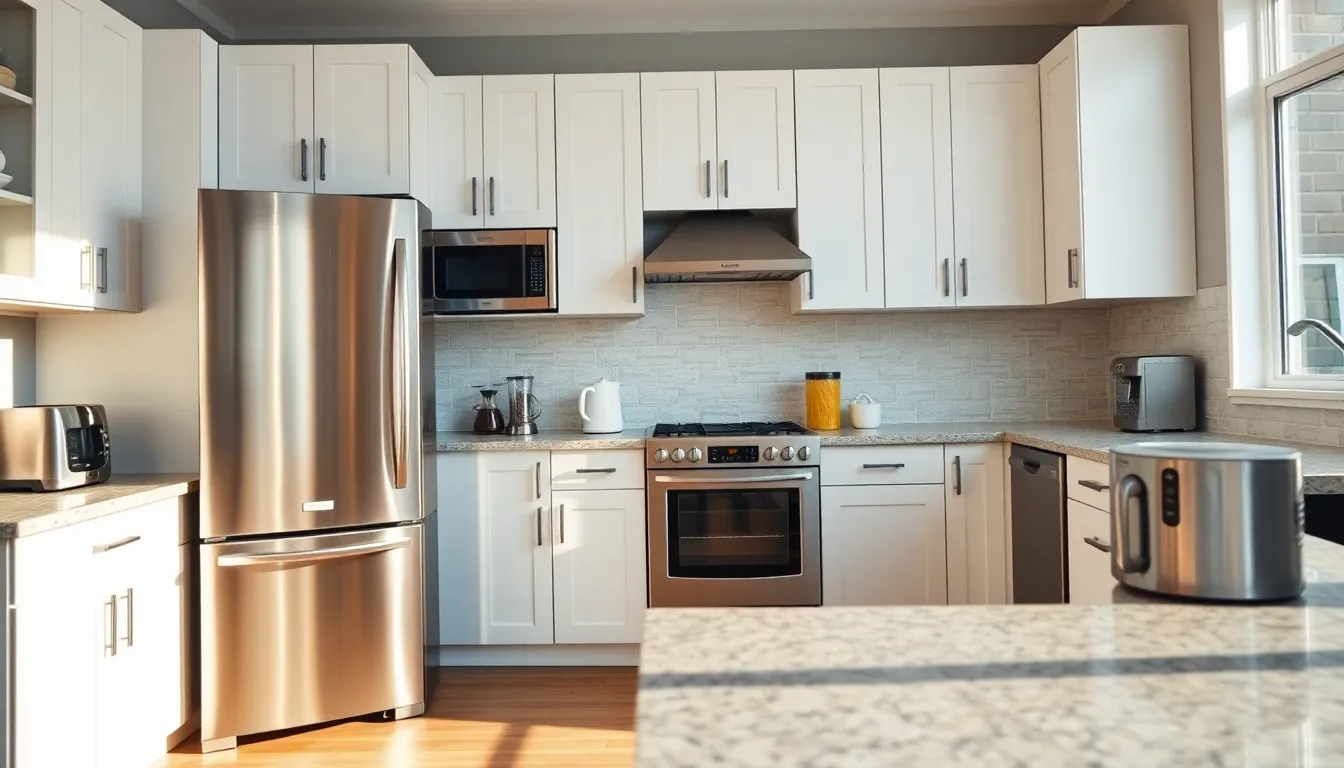
Refrigerators keep food cold and prevent spoilage. Modern units include freezer compartments, ice makers, and water dispensers. Ranges and ovens cook food using gas or electric heat. Dishwashers clean dishes automatically, using water jets and detergent.
Laundry Appliances
Washing machines clean clothing using water, detergent, and agitation. Dryers remove moisture from wet clothes using heat and tumbling. Many households also use combination washer-dryer units to save space.
Climate Control
Air conditioners cool indoor spaces during hot weather. Furnaces and heat pumps warm homes in winter. Water heaters provide hot water for bathing, cleaning, and cooking.
Major home appliances represent significant investments. A refrigerator costs between $500 and $3,000. A washing machine runs $400 to $1,500. These appliances typically last 10 to 20 years with proper maintenance.
Small Home Appliances
Small home appliances are portable devices that perform specific tasks. They sit on countertops or store in cabinets. Unlike major appliances, they plug into standard outlets and require no installation.
Common small kitchen appliances include:
- Coffee makers brew coffee automatically
- Toasters brown bread using electric heating elements
- Blenders mix and puree ingredients
- Microwaves heat food using electromagnetic radiation
- Food processors chop, slice, and shred ingredients
Small home appliances extend beyond the kitchen. Vacuum cleaners remove dirt from floors and carpets. Irons smooth wrinkles from clothing. Hair dryers dry and style hair quickly.
These devices typically cost between $20 and $300. They last 3 to 10 years depending on build quality and frequency of use. Small home appliances make excellent gifts and often feature prominently in wedding registries.
The line between small and major appliances sometimes blurs. Portable air conditioners and compact washing machines exist. Generally, if it plugs into a standard outlet and moves easily, it’s a small appliance.
How Home Appliances Are Categorized
The home appliance industry uses several classification systems. Understanding these categories helps consumers compare products and find what they need.
By Size
Major appliances (white goods) are large and stationary. Small appliances are portable and compact. This remains the most common classification method.
By Function
Home appliances group into functional categories:
- Food preparation: ranges, microwaves, blenders
- Food preservation: refrigerators, freezers
- Cleaning: dishwashers, washing machines, vacuums
- Climate control: air conditioners, heaters, dehumidifiers
- Personal care: hair dryers, electric razors
By Energy Source
Most home appliances use electricity. Some, like gas ranges and furnaces, burn natural gas or propane. Battery-powered appliances offer portability but limited runtime.
By Smart Technology
Smart home appliances connect to WiFi and allow remote control via smartphone apps. A smart refrigerator can send grocery alerts. A smart thermostat learns usage patterns and adjusts automatically. Traditional appliances lack these connectivity features.
Retailers and manufacturers use these categories differently. Knowing the terminology helps when shopping or researching home appliances online.
Choosing the Right Appliances for Your Home
Selecting home appliances requires balancing several factors. Price matters, but it shouldn’t be the only consideration.
Assess Your Needs
A single person living in a studio apartment has different needs than a family of five. Consider household size, cooking habits, and available space. Don’t buy a massive refrigerator if a compact model serves your needs.
Check Energy Efficiency
Energy-efficient home appliances cost more upfront but save money over time. Look for the ENERGY STAR label. An efficient refrigerator uses 15% less energy than standard models. Over a 15-year lifespan, that adds up to hundreds of dollars in savings.
Read Reviews and Ratings
Consumer reviews reveal real-world performance. A dishwasher might look great in ads but leave dishes dirty. Check multiple sources before committing to a purchase.
Consider Long-Term Costs
Repair availability matters. Some brands have widespread service networks. Others require expensive specialized technicians. Research warranty coverage and typical repair costs for any major home appliance purchase.
Measure First
Home appliances must fit their designated spaces. Measure doorways, hallways, and installation areas before ordering. A refrigerator that won’t fit through the kitchen door creates a serious problem.


